
Warehouse racks and shelves are the backbone of efficient storage systems, providing organizations with the means to maximize space utilization, streamline operations, and ensure product safety. From cantilever racks to drive-in racks, this article delves into the diverse types of warehouse racks and shelves, exploring their advantages and guiding readers in selecting the optimal solutions for their specific storage needs.
Understanding the factors influencing rack and shelf selection, such as storage capacity, product weight, and space constraints, is crucial for designing an effective warehouse storage system. This article provides insights into best practices for designing warehouse racks and shelves, maximizing storage space, ensuring safety, and improving accessibility.
Warehouse Rack and Shelf Types
Warehouse racks and shelves are essential components of any efficient storage system. They provide a structured and organized way to store goods, making it easy to retrieve and track inventory. There are several types of warehouse racks and shelves, each with its own advantages and disadvantages.
Cantilever Racks
Cantilever racks are designed to store long, bulky items such as pipes, lumber, and steel bars. They consist of a series of vertical columns with horizontal arms that extend out from one side. Cantilever racks are ideal for storing items that are difficult to stack or that require easy access from one side.
Advantages:
- Easy access to items from one side
- Can store long, bulky items
- Versatile and can be customized to meet specific needs
Disadvantages:
- Less storage capacity compared to other rack types
- Can be more expensive than other rack types
- Not suitable for storing small or irregularly shaped items
Factors to Consider When Choosing Warehouse Racks and Shelves
Choosing the right warehouse racks and shelves is crucial for efficient storage and organization. Several factors need to be considered to ensure the selected racks and shelves align with the specific needs of the warehouse.
Determining the appropriate rack and shelf configuration requires a thorough understanding of the following factors:
Storage Capacity
The storage capacity of the racks and shelves is a primary consideration. It should be sufficient to accommodate the volume and weight of the stored items. Factors to consider include the number of items, their dimensions, and the desired storage density.
Product Weight
The weight of the products to be stored will determine the load capacity of the racks and shelves. It is essential to select racks and shelves that can safely support the weight of the stored items without compromising stability.
Space Constraints
The available space in the warehouse will influence the size and configuration of the racks and shelves. It is important to consider the height, width, and depth of the racks and shelves to optimize space utilization while ensuring accessibility.
Other Factors
Additional factors that may influence the selection of warehouse racks and shelves include:
- Product turnover rate:The frequency with which items are accessed and retrieved.
- Accessibility requirements:The need for easy access to stored items.
- Forklift compatibility:The compatibility of the racks and shelves with the forklifts used in the warehouse.
- Budget constraints:The financial resources available for the purchase and installation of racks and shelves.
Warehouse Rack and Shelf Design Considerations
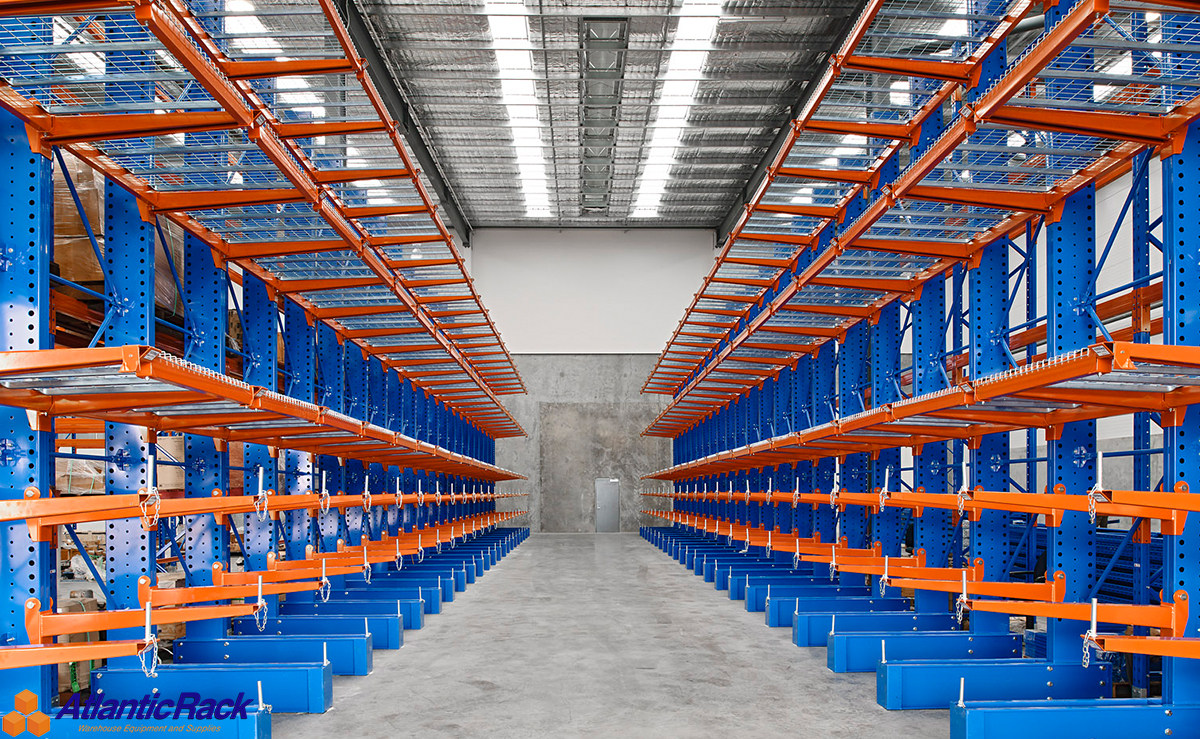
Designing warehouse racks and shelves is a crucial aspect of optimizing storage space, ensuring safety, and improving accessibility in a warehouse. To achieve these objectives, several best practices should be followed:
First, it is essential to understand the specific storage requirements of the warehouse. Factors such as the type of goods stored, their dimensions, weight, and turnover rate should be considered when determining the appropriate rack and shelf design. The design should also take into account the available space and the need for efficient movement of goods.
Maximizing Storage Space
To maximize storage space, vertical space should be utilized effectively. High-density storage systems, such as double-deep racking and drive-in racking, can increase storage capacity without requiring additional floor space. Vertical lift modules (VLMs) are another space-saving solution, providing automated access to stored items.
Ensuring Safety
Safety is paramount when designing warehouse racks and shelves. Racks should be structurally sound and able to withstand the weight of the stored goods. Proper anchoring and bracing are essential to prevent collapse. Additionally, safety features such as guard rails, mesh decking, and anti-slip surfaces should be incorporated to minimize the risk of accidents.
Improving Accessibility
Accessibility is crucial for efficient warehouse operations. Racks and shelves should be designed to allow easy access to stored items. Wide aisles, clear signage, and proper lighting are essential for safe and efficient movement of goods.
Use of CAD Software
Computer-aided design (CAD) software is a valuable tool for designing warehouse storage systems. CAD software allows for precise planning and visualization of rack and shelf layouts, enabling engineers to optimize space utilization and ensure safety and accessibility.
Warehouse Rack and Shelf Maintenance and Safety
Maintaining warehouse racks and shelves is crucial for ensuring their functionality and preventing accidents. Regular inspections, repairs, and safety measures are essential to ensure a safe and efficient warehouse operation.
Proper Maintenance, Warehouse racks and shelves
- Conduct regular visual inspections to identify any damage, rust, or corrosion.
- Inspect bolts, nuts, and other hardware for tightness and wear.
- Perform load tests to ensure racks can withstand the intended weight capacity.
- Repair or replace damaged components promptly to prevent further deterioration.
- Keep racks and shelves clean and free of debris to prevent accidents.
Safety Measures
- Train employees on proper loading and unloading techniques to prevent accidents.
- Use safety equipment such as gloves, hard hats, and safety harnesses when working around racks.
- Post load capacity limits and warning signs prominently on racks.
- Never overload racks or shelves beyond their capacity.
- Avoid storing unstable or hazardous materials on high shelves.
Final Wrap-Up
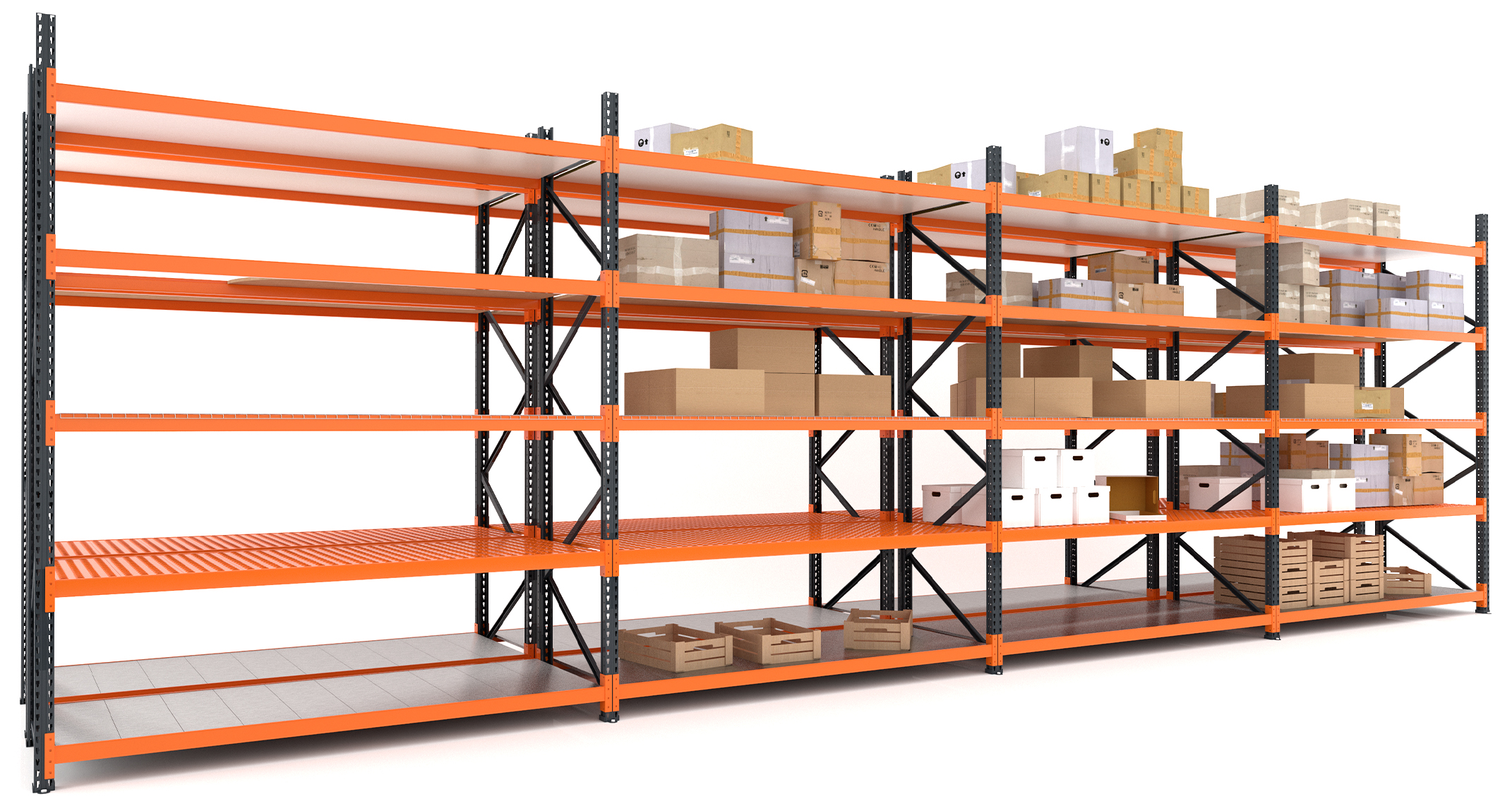
Proper maintenance and safety measures are essential for ensuring the longevity and safety of warehouse racks and shelves. Regular inspections, repairs, and adherence to proper loading and unloading techniques are key to preventing accidents and injuries. By implementing these practices, organizations can optimize their warehouse storage systems, enhance operational efficiency, and safeguard the well-being of their employees.
