Plumbing pressure reducing valve (PRV) plays a pivotal role in safeguarding your plumbing system, preventing costly damage and ensuring optimal performance. In this comprehensive guide, we delve into the world of PRVs, exploring their types, benefits, selection, installation, maintenance, and troubleshooting.
Discover how a PRV can regulate water pressure, extend the lifespan of your fixtures and appliances, and enhance water efficiency. We’ll guide you through the process of choosing the right PRV for your needs, provide step-by-step installation instructions, and equip you with troubleshooting tips to keep your PRV functioning smoothly.
Pressure Reducing Valve (PRV) Overview
A pressure reducing valve (PRV) is a plumbing device that controls and reduces water pressure in a plumbing system. It is installed to protect plumbing fixtures, appliances, and pipes from damage caused by excessive water pressure. PRVs are commonly used in residential, commercial, and industrial applications where water pressure exceeds the recommended limits for safe operation.
Types of PRVs
There are several types of PRVs available, each designed for specific applications and pressure ranges. Some common types include:
- Diaphragm PRVs:Use a flexible diaphragm to sense and regulate pressure.
- Spring-loaded PRVs:Utilize a spring to adjust and maintain the desired pressure level.
- Pilot-operated PRVs:Employ a small pilot valve to control the main valve, providing precise pressure regulation.
Diagram of PRV Installation
A typical PRV installation involves connecting the valve to the incoming water supply line and then to the plumbing system. The valve is typically installed in a vertical position, with the flow direction indicated by arrows on the valve body.
A pressure gauge can be installed upstream of the PRV to monitor the incoming water pressure and ensure the valve is functioning correctly.
Benefits of Using a PRV

Installing a pressure reducing valve (PRV) in a plumbing system offers numerous advantages. It not only protects fixtures and appliances from damage but also enhances water efficiency and reduces energy consumption.
Excessive water pressure can strain plumbing components, leading to leaks, bursts, and premature failure. A PRV effectively regulates water pressure, preventing such damage and prolonging the lifespan of fixtures, appliances, and pipes.
Prevention of Damage
- Protects faucets, toilets, and showerheads from excessive pressure, preventing leaks and malfunctions.
- Prevents damage to water heaters, washing machines, and dishwashers by reducing strain on their internal components.
- Reduces the risk of pipe bursts, which can cause significant water damage and costly repairs.
Improved Water Efficiency
- By reducing water pressure, a PRV decreases water flow rate, conserving water and reducing utility bills.
- Prevents overwatering of lawns and gardens, promoting water conservation and environmental sustainability.
Reduced Energy Consumption
- Lower water pressure reduces the energy required to pump water throughout the system, resulting in energy savings.
- By preventing leaks and bursts, a PRV eliminates the need for frequent repairs, reducing maintenance costs and energy consumption associated with water heater operation.
Selecting and Installing a PRV
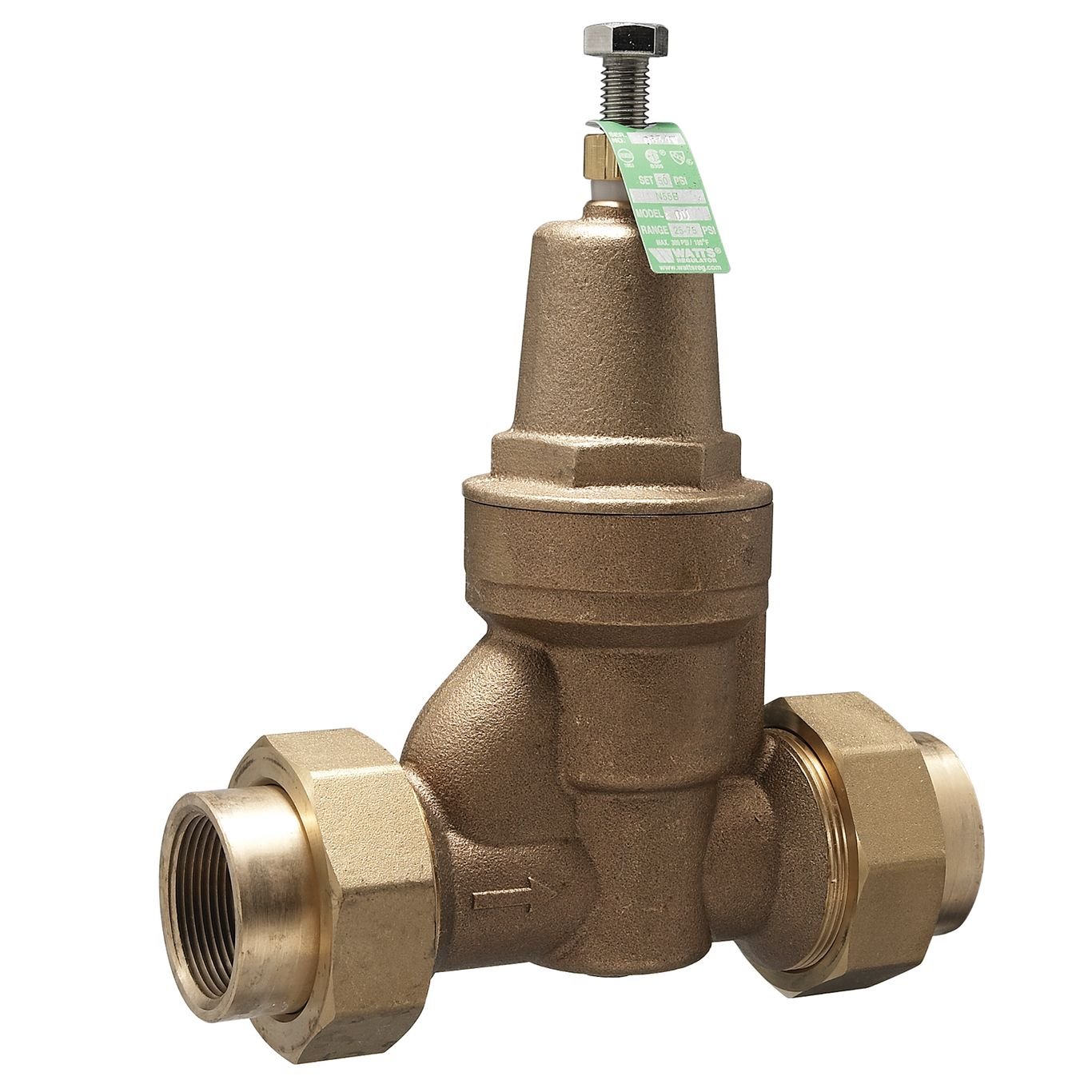
Choosing the right PRV for your plumbing system depends on several factors, including the water pressure, flow rate, and size of the pipes. It’s crucial to consult a licensed plumber to determine the appropriate PRV for your specific needs.Installing a PRV requires careful planning and safety precautions.
Here’s a step-by-step guide to help you through the process:
Safety Precautions
- Shut off the main water supply before beginning installation.
- Relieve any pressure in the system by opening a faucet.
- Wear safety glasses and gloves to protect yourself from water and debris.
Tools and Materials
- Adjustable wrench
- Pipe cutter
- Teflon tape
- PRV
- Shut-off valves (optional)
Installation Steps
- Choose a location for the PRV. It should be easily accessible for maintenance and protected from freezing.
- Cut the pipe where you want to install the PRV using a pipe cutter.
- Apply Teflon tape to the threads of the PRV and screw it into one end of the cut pipe.
- Connect the other end of the PRV to the remaining pipe using the same method.
- Install shut-off valves before and after the PRV (optional) for easy isolation during maintenance or repairs.
- Turn on the main water supply and check for leaks. Adjust the PRV as necessary to achieve the desired water pressure.
Maintenance and Troubleshooting: Plumbing Pressure Reducing Valve

Regular maintenance is crucial for ensuring optimal performance and longevity of pressure reducing valves (PRVs). It involves periodic inspections, cleaning, and adjustments to prevent issues and ensure proper functioning.
Common Problems and Troubleshooting, Plumbing pressure reducing valve
Various problems can arise with PRVs, including:
- Fluctuating water pressure:This may indicate a faulty PRV diaphragm or a blockage in the valve.
- Leaking:Leaks can occur due to worn seals, a damaged diaphragm, or incorrect installation.
- Noise:Excessive noise during operation can be caused by a loose valve seat or a damaged spring.
To troubleshoot these issues, follow these steps:
- Check the inlet pressure:Ensure it is within the recommended range for the PRV.
- Inspect the diaphragm:Remove the valve cover and check for any tears or damage to the diaphragm.
- Clean the valve:Remove any debris or sediment that may have accumulated in the valve.
- Adjust the spring tension:If necessary, adjust the spring tension to achieve the desired outlet pressure.
- Replace worn parts:If any components are damaged or worn, replace them with genuine parts.
By following these maintenance and troubleshooting tips, you can keep your PRV functioning efficiently and prevent costly repairs.
Final Wrap-Up

By understanding and maintaining your plumbing pressure reducing valve, you empower yourself to protect your home’s plumbing system, ensuring years of reliable and efficient operation. Remember, a well-maintained PRV is a key component of a healthy and long-lasting plumbing system.