Welcome to the ultimate guide on how to build a roof for a shed! Whether you’re a seasoned DIY enthusiast or a novice builder, this comprehensive resource will empower you with the knowledge and skills to create a sturdy and weatherproof roof for your shed.
Join us as we embark on this journey of shed roof construction, exploring different roof structures, essential materials, and step-by-step instructions.
As we delve into the details, we’ll provide clear explanations, illustrative examples, and practical tips to guide you through every stage of the process. From selecting the right materials to troubleshooting common problems, we’ve got you covered. So, grab your tools, gather your supplies, and let’s build a shed roof that will stand the test of time.
Types of Roof Structures
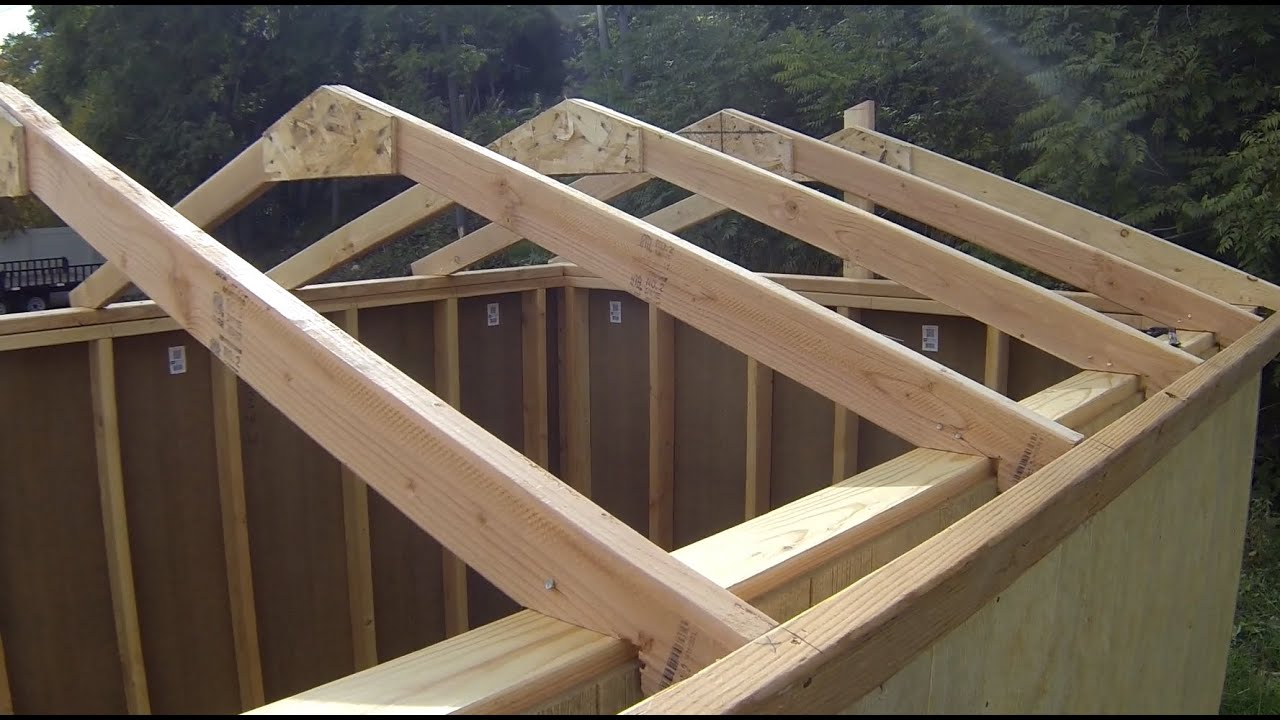
Sheds can have different roof structures, each with its advantages and suitability for specific needs. The most common types of roof structures for sheds include gable, hip, and lean-to roofs.
Gable Roof
Gable roofs are the most common type of roof structure for sheds. They are characterized by two sloping sides that meet at a ridge at the top. Gable roofs are relatively easy to build and provide good drainage and ventilation.
- Advantages:Easy to build, provides good drainage and ventilation.
- Disadvantages:Can be more expensive than other types of roofs, requires more materials.
Hip Roof
Hip roofs are similar to gable roofs, but they have four sloping sides that meet at a point at the top. Hip roofs are more complex to build than gable roofs, but they are also more durable and can withstand higher winds.
- Advantages:More durable, can withstand higher winds.
- Disadvantages:More complex to build, requires more materials.
Lean-to Roof
Lean-to roofs are the simplest type of roof structure for sheds. They consist of a single sloping side that is attached to a wall. Lean-to roofs are easy to build and are ideal for small sheds.
- Advantages:Easy to build, ideal for small sheds.
- Disadvantages:Provides less drainage and ventilation than other types of roofs.
Materials and Tools

Shed roof construction requires a range of materials and tools. Selecting the appropriate materials ensures durability, weather resistance, and aesthetic appeal, while the right tools facilitate efficient and precise work.
Materials
Various materials are available for shed roofs, each with unique characteristics and advantages:
- Roofing Felt:A cost-effective option, roofing felt is a flexible material that provides a water-resistant barrier. It requires additional layers of shingles or other roofing materials for complete protection.
- Shingles:Durable and visually appealing, shingles are individual pieces of material, typically asphalt or composite, that are overlapped and nailed to the roof deck. They offer excellent protection against rain and wind.
- Metal Roofing:Lightweight and long-lasting, metal roofing panels are available in various materials such as aluminum, steel, or zinc. They are fire-resistant and require minimal maintenance.
Tools
Essential tools for roof construction include:
- Hammers:Used for driving nails into the roof deck and securing materials.
- Nail Guns:Power tools that drive nails quickly and efficiently, saving time and effort.
- Saws:For cutting roofing materials, including circular saws for straight cuts and reciprocating saws for irregular cuts.
- Measuring Tape and Level:Essential for accurate measurements and ensuring the roof is level and square.
- Safety Gear:Safety glasses, gloves, and a hard hat are crucial for protecting against falling debris and potential injuries.
Step-by-Step Construction Guide

Constructing a sturdy and weatherproof roof for your shed requires careful planning and precise execution. Follow this detailed guide to build a robust roof that will protect your belongings and enhance the aesthetics of your shed.
The process involves three main stages: framing the roof, installing the roofing material, and finishing the edges. Each step demands attention to detail and proper techniques to ensure a durable and functional roof.
Framing the Roof
Framing the roof involves creating a sturdy structure that supports the roofing material and withstands external forces. Here’s a step-by-step guide to framing a shed roof:
- Install the Ridge Beam:Position the ridge beam at the peak of the roof and secure it to the top plates of the shed walls.
- Set the Rafters:Measure and cut the rafters to the desired length and angle. Position them on the ridge beam and attach them to the top plates.
- Install Collar Ties:Connect the rafters with collar ties at regular intervals to prevent them from spreading apart.
- Install Sheathing:Cover the rafters with sheathing, typically plywood or oriented strand board (OSB), to create a solid base for the roofing material.
| Step | Description | Image |
|---|---|---|
| Install Ridge Beam | Positioning and securing the ridge beam at the roof’s peak | [Image of ridge beam installation] |
| Set the Rafters | Measuring, cutting, and attaching rafters to the ridge beam and top plates | [Image of rafters being set] |
| Install Collar Ties | Connecting rafters with collar ties to prevent spreading | [Image of collar ties being installed] |
| Install Sheathing | Covering rafters with sheathing to create a base for roofing material | [Image of sheathing being installed] |
Troubleshooting and Maintenance: How To Build A Roof For A Shed

Roof construction for sheds can sometimes encounter problems. Addressing these issues promptly can prevent further damage and ensure the roof’s longevity. Additionally, regular roof maintenance is essential for extending its lifespan.
Common problems during shed roof construction include incorrect framing, inadequate flashing, improper nailing, and leaks.
Framing errors can cause structural instability and roof failure. Inadequate flashing allows water to penetrate the roof, leading to leaks and damage. Improper nailing can weaken the roof structure and cause it to collapse. Leaks are a sign of poor construction or deterioration and should be repaired immediately.
Regular roof maintenance involves cleaning gutters and downspouts, inspecting the roof for damage, and making repairs as needed. Proper ventilation helps prevent moisture buildup and extends the roof’s life. Re-roofing may be necessary if the roof is severely damaged or nearing the end of its lifespan.
Solutions for Common Problems
- Incorrect Framing:Rectify framing errors by adjusting the trusses or rafters, ensuring they are properly aligned and supported.
- Inadequate Flashing:Install or replace flashing around chimneys, vents, and other roof penetrations to prevent water leakage.
- Improper Nailing:Use the correct nail size and spacing to secure the roof sheathing and shingles, preventing them from blowing off.
- Leaks:Locate the source of the leak and repair it by replacing damaged shingles, sealing gaps, or re-flashing.
Regular Roof Maintenance Tips, How to build a roof for a shed
- Clean Gutters and Downspouts:Remove debris and blockages from gutters and downspouts to ensure proper drainage.
- Inspect the Roof:Check the roof regularly for missing or damaged shingles, flashing, and other components.
- Make Repairs:Address any damage promptly to prevent further deterioration and leaks.
- Ventilate the Roof:Install vents or attic fans to allow air circulation and prevent moisture buildup.
- Re-roofing:If the roof is severely damaged or has reached the end of its lifespan, consider re-roofing to restore its integrity.
Closing Notes
Congratulations on completing your shed roof! By following the steps Artikeld in this guide, you’ve successfully created a protective covering that will shield your shed from the elements and enhance its overall functionality. Remember to perform regular maintenance to ensure its longevity and keep your shed in top condition.
We hope this guide has empowered you to tackle this project with confidence and achieve a satisfying outcome. Happy shed building!