Embarking on the installation of a washing machine can be a daunting task, but with the right guidance, it can be a breeze. This comprehensive guide delves into the intricacies of washing machine plumbing installation, providing a step-by-step approach to ensure a seamless and efficient laundry experience.
From understanding the plumbing requirements to troubleshooting common installation issues, this guide empowers homeowners and DIY enthusiasts with the knowledge and confidence to tackle this project like a pro.
Plumbing Requirements for Washing Machine Installation
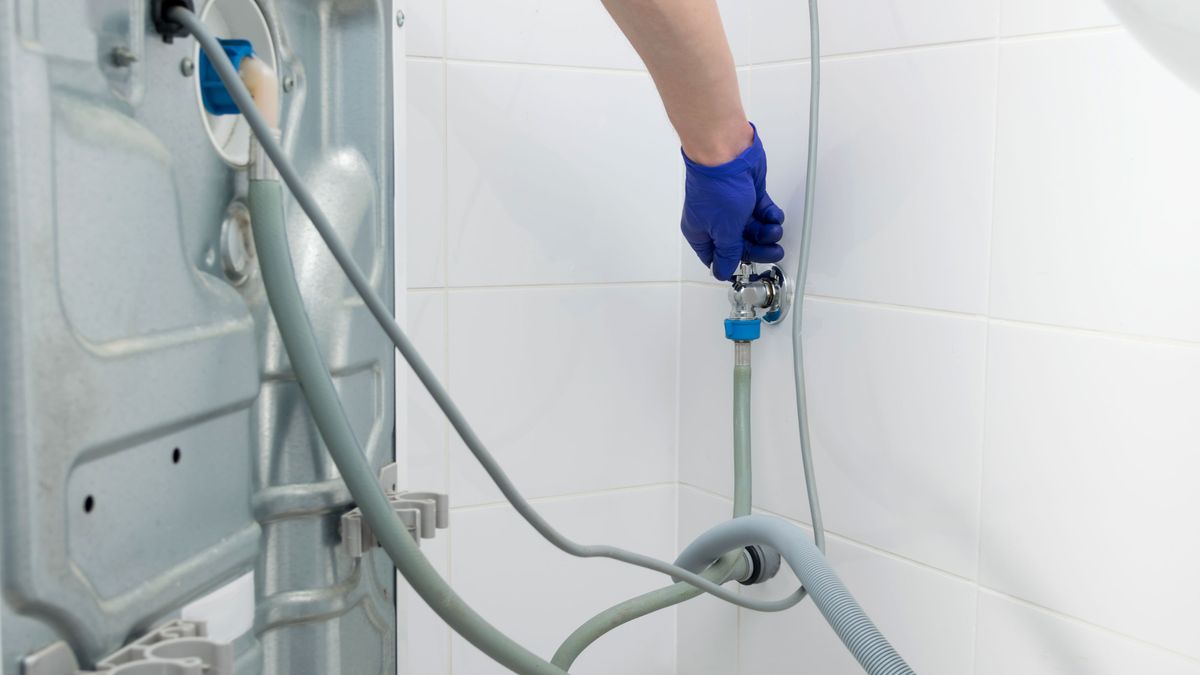
To ensure optimal performance and prevent any plumbing issues, it’s crucial to have the proper plumbing connections in place before installing a washing machine. These connections include a water supply line, a drainpipe, and sometimes a vent pipe.
Water Supply
The washing machine requires a cold water supply line with a minimum water pressure of 20 psi (pounds per square inch) and a flow rate of 2 gallons per minute (gpm). The water supply line should be connected to a dedicated shut-off valve for easy access in case of maintenance or emergencies.
Drainpipe
The drainpipe allows the wastewater from the washing machine to exit the appliance. It should be at least 1.5 inches in diameter and have a downward slope of 1/4 inch per foot to ensure proper drainage. The drainpipe should be connected to a dedicated drain outlet or a sanitary sewer line.
Drain Height
The drain height, which is the vertical distance between the floor and the drainpipe connection on the washing machine, is crucial for proper drainage. The optimal drain height is typically between 18 and 30 inches, allowing the water to flow smoothly without causing any backflow or overflow issues.
Step-by-Step Installation Process
Installing a washing machine can be a straightforward task with the right tools and materials. Here’s a step-by-step guide to help you get your washing machine up and running:
Connecting Water Hoses
Connect the hot and cold water hoses to the corresponding valves on the back of the washing machine. Use a wrench to tighten the connections securely.
Make sure to use new hoses or inspect existing hoses for any cracks or damage. Replace any worn or damaged hoses to prevent leaks.
Connecting the Drainpipe
Attach the drainpipe to the outlet on the back of the washing machine. The drainpipe should be positioned so that it extends into the drainpipe in your laundry area.
Ensure the drainpipe is secure and not kinked or obstructed. This will allow wastewater to drain properly from the washing machine.
Leveling the Washing Machine
Place the washing machine in its designated location and level it using the adjustable feet. Use a level to check the machine’s alignment and adjust the feet accordingly.
Leveling the washing machine is crucial to prevent excessive vibrations and noise during operation.
Electrical Connection
Plug the washing machine into a dedicated electrical outlet. The outlet should be properly grounded and meet the electrical requirements of the washing machine.
Do not overload the electrical outlet by connecting multiple appliances to it. This can lead to electrical hazards.
Testing the Installation
Once the washing machine is connected, run a test cycle without any laundry. This will ensure that all connections are secure and the machine is functioning properly.
If you encounter any leaks or unusual noises, check the connections and consult the washing machine’s user manual for troubleshooting.
Troubleshooting Common Installation Issues: Washing Machine Plumbing Installation

Installing a washing machine can seem straightforward, but encountering issues during the process is not uncommon. Identifying and resolving these problems promptly is crucial to ensure a smooth and efficient laundry experience. This section will guide you through common installation issues, their potential causes, and effective solutions.
Identifying Potential Problems
Before diving into troubleshooting, it’s essential to understand the potential problems that may arise during washing machine installation. These issues can range from water leaks and drainage problems to error codes displayed on the machine’s control panel.
Water Leaks
Water leaks are a common issue that can occur at various points in the washing machine’s plumbing system. Here are some common causes and solutions for water leaks:
- Loose or damaged hoses:Check all hoses for any loose connections or damage. Tighten loose connections and replace damaged hoses.
- Faulty drain pump:A faulty drain pump can cause water to leak from the bottom of the machine. Replace the drain pump if it’s not functioning properly.
- Overfilled machine:Overloading the washing machine can cause water to overflow from the top. Ensure to follow the recommended load capacity for your machine.
Drainage Issues
Drainage issues can prevent the washing machine from draining water properly. Here are some common causes and solutions for drainage problems:
- Clogged drain hose:A clogged drain hose can restrict the flow of water. Remove the drain hose and clean out any debris or blockages.
- Faulty drain valve:A faulty drain valve can prevent the machine from draining water. Replace the drain valve if it’s not functioning properly.
- Kinked drain hose:Ensure that the drain hose is not kinked or bent, as this can restrict the flow of water.
Error Codes
Error codes displayed on the washing machine’s control panel indicate specific problems that require attention. Here are some common error codes and their possible causes:
- E1:Water inlet issue. Check the water supply and ensure that the hoses are connected properly.
- E2:Water drainage issue. Check the drain hose and ensure that it’s not clogged or kinked.
- E3:Motor issue. Contact a qualified technician to diagnose and repair the motor.
These are just a few of the common installation issues that you may encounter. By understanding the potential problems and their solutions, you can effectively troubleshoot and resolve any issues that arise during the installation process, ensuring a seamless and trouble-free laundry experience.
Safety Precautions and Maintenance Tips

Ensuring the safe and efficient operation of your washing machine requires adherence to safety guidelines and regular maintenance. Neglecting these aspects can lead to water damage, electrical hazards, or accidents.
Preventing Water Damage, Washing machine plumbing installation
- Install the washing machine on a level, stable surface to prevent vibrations that could loosen connections.
- Check hoses regularly for cracks or leaks. Replace them immediately if any damage is detected.
- Use a water leak detector to alert you to any leaks, especially if the machine is installed in a basement or other moisture-prone area.
- Do not overload the machine, as this can strain the hoses and connections.
Preventing Electrical Hazards
- Ensure the washing machine is properly grounded to prevent electrical shocks.
- Never operate the machine with wet hands or while standing on a wet surface.
- Unplug the machine before performing any maintenance or repairs.
- Use a surge protector to protect the machine from voltage fluctuations.
Preventing Accidents
- Keep children and pets away from the washing machine while it is operating.
- Do not leave the washing machine unattended while it is running.
- Avoid using harsh chemicals or abrasive cleaners on the machine.
- Dispose of detergent pods properly to prevent accidental ingestion.
Regular Maintenance
Regular maintenance is crucial for extending the lifespan of your washing machine and ensuring optimal performance.
- Clean the lint filter after every use to prevent clogging and reduce the risk of water damage.
- Run a hot water cycle with a cup of white vinegar once a month to remove mineral deposits and odors.
- Wipe down the exterior of the machine regularly with a damp cloth.
- Have the machine serviced by a qualified technician every few years for a thorough inspection and cleaning.
Closing Summary

Whether you’re a seasoned plumber or a novice homeowner, this guide has equipped you with the essential knowledge and techniques for a successful washing machine plumbing installation. Remember to prioritize safety, follow the steps meticulously, and enjoy the convenience of a flawlessly functioning laundry system.