Traditional wood burning fireplaces have a timeless allure, offering both ambiance and practical warmth. From their historical origins to their modern designs, fireplaces have played a significant cultural and architectural role. This article delves into the history, design, operation, aesthetics, and benefits of traditional wood burning fireplaces.
History and Evolution of Traditional Wood Burning Fireplaces
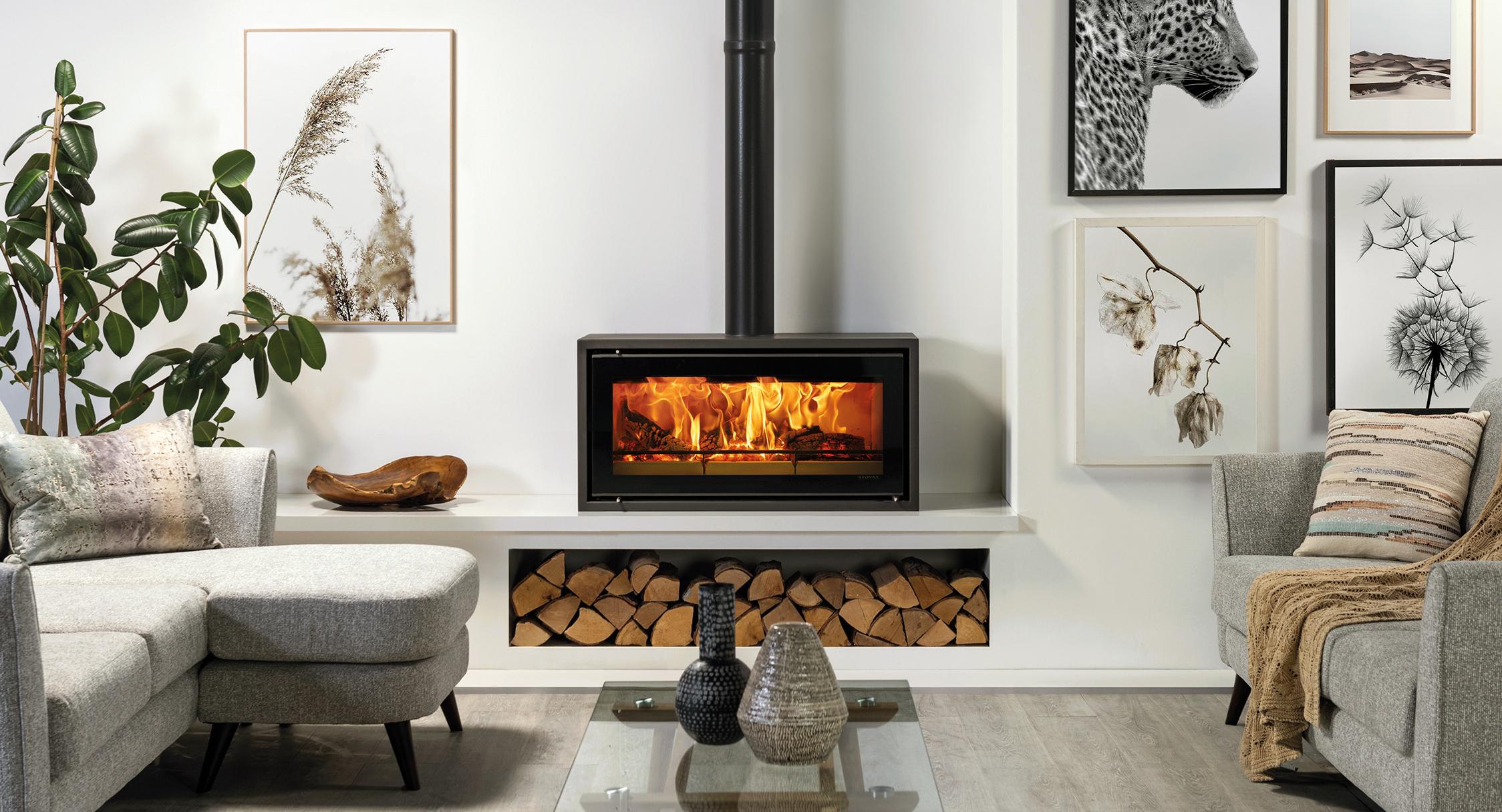
The traditional wood-burning fireplace has a rich and captivating history that spans centuries, deeply intertwined with human culture and architectural design. Its origins can be traced back to the rudimentary hearths of ancient dwellings, where fire provided warmth, sustenance, and a sense of community.
Over time, fireplaces evolved into more sophisticated and decorative structures, becoming integral to the design of homes and public buildings. They served as a focal point for social gatherings, storytelling, and entertainment. The architectural styles of fireplaces varied greatly depending on the region and period, reflecting the cultural and aesthetic influences of the time.
Types of Traditional Wood Burning Fireplaces
Throughout history, numerous types of traditional wood-burning fireplaces have emerged, each with its unique design and functionality:
- Open Fireplaces:The most basic and traditional type, characterized by an open hearth and a large chimney.
- Closed Fireplaces:Enclosed with a metal or glass door, providing greater efficiency and heat retention.
- Corner Fireplaces:Designed to fit snugly into a corner, maximizing space utilization.
- Inglenook Fireplaces:A large, open fireplace with built-in seating, creating a cozy and inviting atmosphere.
- Rumford Fireplaces:Invented by Benjamin Rumford in the 18th century, these fireplaces feature a shallow hearth and a sloped back, enhancing heat distribution and efficiency.
Design and Construction of Traditional Wood Burning Fireplaces
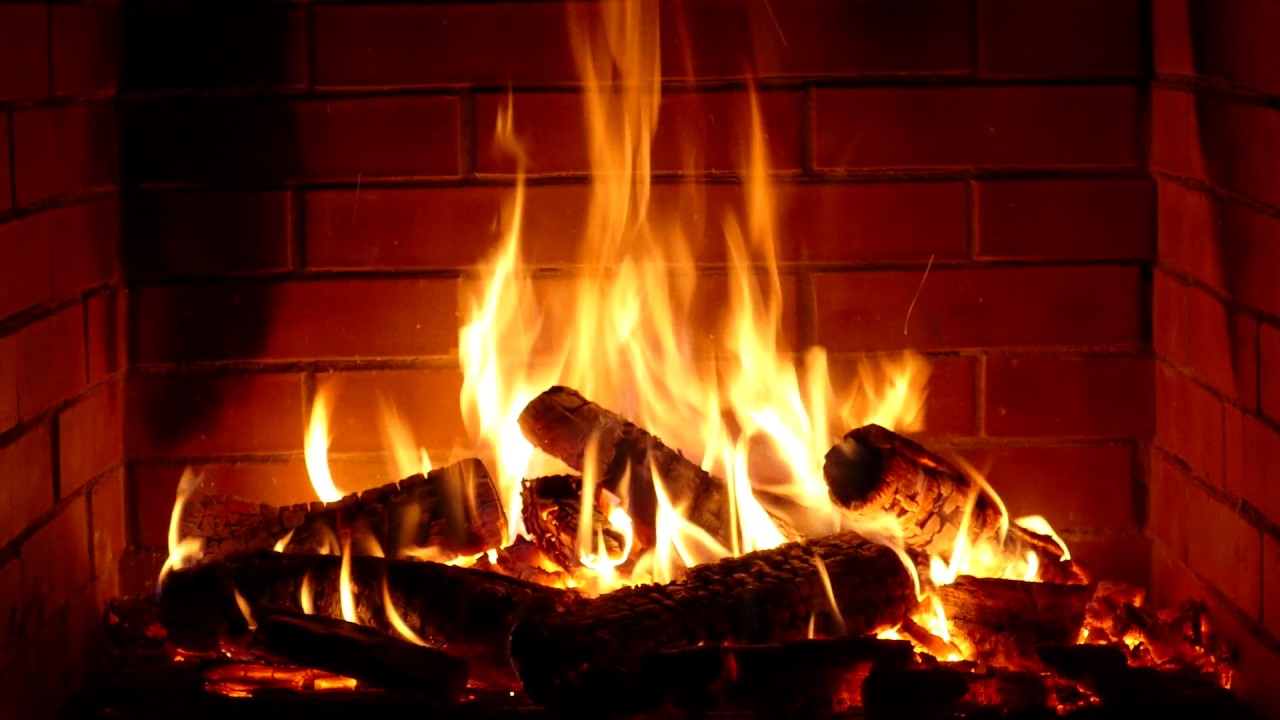
Traditional wood burning fireplaces are designed to provide warmth and ambiance to a space. Their construction involves several essential components, each with its own function.
Firebox
The firebox is the heart of the fireplace, where the fire is built. It is typically made of fire-resistant materials such as brick, stone, or metal. The size and shape of the firebox determine the size of the fire that can be accommodated.
Hearth
The hearth is the non-combustible surface in front of the firebox. It extends outward from the fireplace opening and serves as a protective barrier against sparks and embers. Hearths are typically made of stone, brick, or tile.
Mantle
The mantle is the decorative shelf above the fireplace opening. It is typically made of wood, stone, or metal and serves as a focal point for the fireplace. Mantles can be simple or elaborate, depending on the style of the fireplace.
Chimney
The chimney is the vertical passage that allows smoke and gases from the fire to escape. It is typically made of brick, stone, or metal and extends above the roofline. The chimney’s height and diameter are designed to ensure proper draft and prevent smoke from entering the living space.
Materials and Techniques
Traditional wood burning fireplaces are constructed using a variety of materials and techniques. Stone and brick are popular choices for fireboxes and hearths due to their durability and fire resistance. Metal is also used, particularly for chimneys and firebox linings.
Design Considerations
When designing and building a traditional wood burning fireplace, several factors should be considered:
- The size and shape of the firebox and hearth
- The type of materials used
- The location of the fireplace in the room
- The height and diameter of the chimney
- Safety considerations, such as the installation of a smoke detector and carbon monoxide alarm
Operation and Maintenance of Traditional Wood Burning Fireplaces
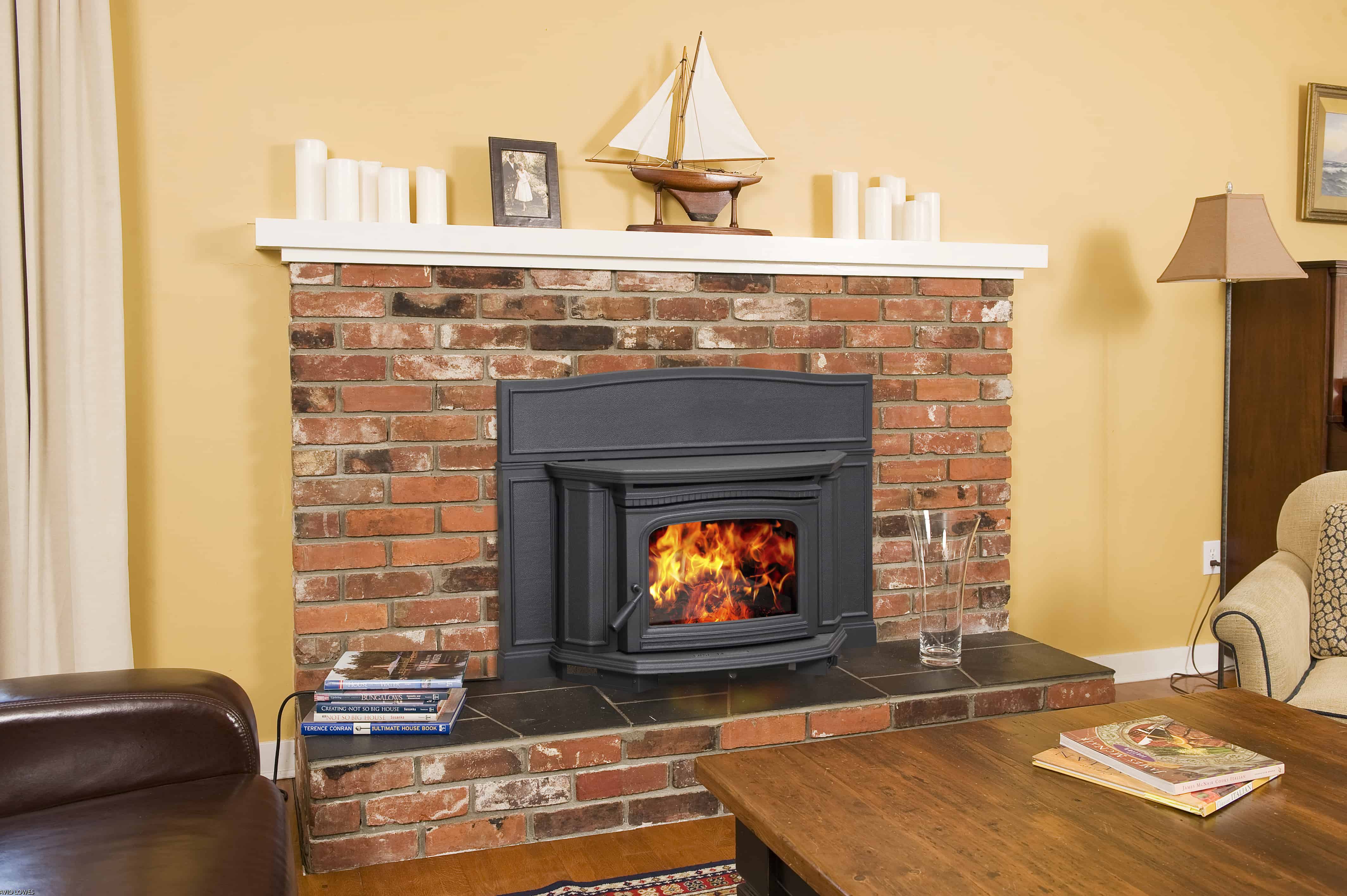
Operating and maintaining a traditional wood burning fireplace requires knowledge of proper techniques and safety precautions. This section provides guidance on safe operation, firewood selection, ventilation, chimney maintenance, and troubleshooting common problems.
Firewood Selection and Burning
Choosing the right firewood is crucial for efficient and safe operation. Use well-seasoned hardwood, such as oak, maple, or birch, which burns slowly and produces less smoke. Avoid using softwoods, such as pine or fir, as they burn quickly and create more sparks and creosote buildup.
To start a fire, create a small teepee-shaped arrangement of kindling and place it in the fireplace grate. Light the kindling and gradually add larger pieces of firewood as the fire grows.
Ventilation and Chimney Maintenance
Proper ventilation is essential to prevent smoke buildup and ensure efficient combustion. Open a window or door slightly when using the fireplace. Regularly inspect the chimney and flue for blockages, such as creosote or bird nests, which can cause smoke backup and pose a fire hazard.
Have the chimney professionally cleaned and inspected annually.
Troubleshooting Common Problems, Traditional wood burning fireplace
If you experience smoke buildup, check for blocked ventilation or a dirty chimney. Poor draft can be caused by a clogged chimney, a blocked flue, or a downdraft created by open windows or doors. If the fire struggles to stay lit, consider using smaller pieces of firewood or adjusting the damper to increase airflow.
Aesthetics and Ambiance of Traditional Wood Burning Fireplaces
Traditional wood burning fireplaces possess an enduring aesthetic appeal that transcends time. They emanate warmth, ambiance, and visual charm, transforming living spaces into havens of comfort and tranquility.
The flickering flames cast a warm glow upon the surroundings, creating a cozy and inviting atmosphere. The crackling of burning wood adds a soothing auditory element, fostering a sense of relaxation and contentment.
Design Elements Enhancing Aesthetics
Various design elements contribute to the aesthetic value of a fireplace. Elaborate mantel carvings, intricate tilework, and decorative accessories can elevate its visual appeal.
- Mantel Carvings:Ornate mantel carvings add an air of sophistication and grandeur. They can feature intricate patterns, motifs, or even sculptures, creating a focal point within the room.
- Tilework:Decorative tiles surrounding the fireplace opening can enhance its visual interest. They come in a wide range of colors, patterns, and textures, allowing for customization to match any decor style.
- Decorative Accessories:Accessories such as fireplace screens, andirons, and log holders can complement the fireplace’s design. They not only add visual appeal but also serve practical purposes.
Psychological and Emotional Benefits
Beyond their aesthetic charm, traditional wood burning fireplaces offer psychological and emotional benefits.
- Stress Reduction:The warmth and ambiance of a fireplace can reduce stress levels and promote relaxation. The flickering flames and soothing sounds have a calming effect on the mind and body.
- Improved Mood:Studies have shown that exposure to fire can improve mood and boost happiness levels. The release of endorphins associated with the cozy atmosphere can contribute to overall well-being.
- Sense of Home:Traditional wood burning fireplaces evoke a sense of home and comfort. The familiar crackle of burning wood and the nostalgic ambiance create a sense of belonging and security.
Last Word

Whether you’re seeking to add a touch of warmth and charm to your home or exploring the practicalities of wood burning, traditional wood burning fireplaces offer a unique blend of history, design, and functionality. By understanding their evolution, construction, operation, and aesthetic appeal, you can appreciate and enjoy these fireplaces for years to come.