Restaurant stainless steel shelves are an essential component of any commercial kitchen, providing durability, hygiene, and versatility. In this comprehensive guide, we delve into the world of stainless steel shelves, exploring their benefits, types, installation, maintenance, and creative uses.
From selecting the right size and style to ensuring proper maintenance, we cover everything you need to know to make the most of your stainless steel shelves. Whether you’re a seasoned chef or a kitchen design enthusiast, this guide will provide valuable insights and practical tips.
Restaurant-Grade Stainless Steel Shelves
In the bustling environment of commercial kitchens, efficiency and hygiene are paramount. Restaurant-grade stainless steel shelves play a crucial role in maintaining a well-organized and sanitary workspace. Their exceptional durability, corrosion resistance, and ease of cleaning make them the preferred choice for professional kitchens.
Types of Stainless Steel for Shelves
Stainless steel used for shelves comes in various grades, each with its own properties and suitability for specific applications. The most common grades used are:
- 304 Stainless Steel:Highly corrosion-resistant and suitable for general kitchen use.
- 316 Stainless Steel:Superior corrosion resistance, making it ideal for areas with high moisture or salt exposure.
- 430 Stainless Steel:Magnetic, with good corrosion resistance and suitable for less demanding applications.
Choosing the Right Size and Style
Selecting the appropriate size and style of stainless steel shelves is essential for maximizing storage capacity and functionality. Consider the following factors:
- Kitchen Layout:Determine the available space and the shape of the shelves needed.
- Storage Requirements:Estimate the amount of equipment, ingredients, and other items that need to be stored.
- Style and Design:Choose shelves that complement the kitchen’s overall aesthetic and workflow.
Installation and Maintenance of Stainless Steel Shelves
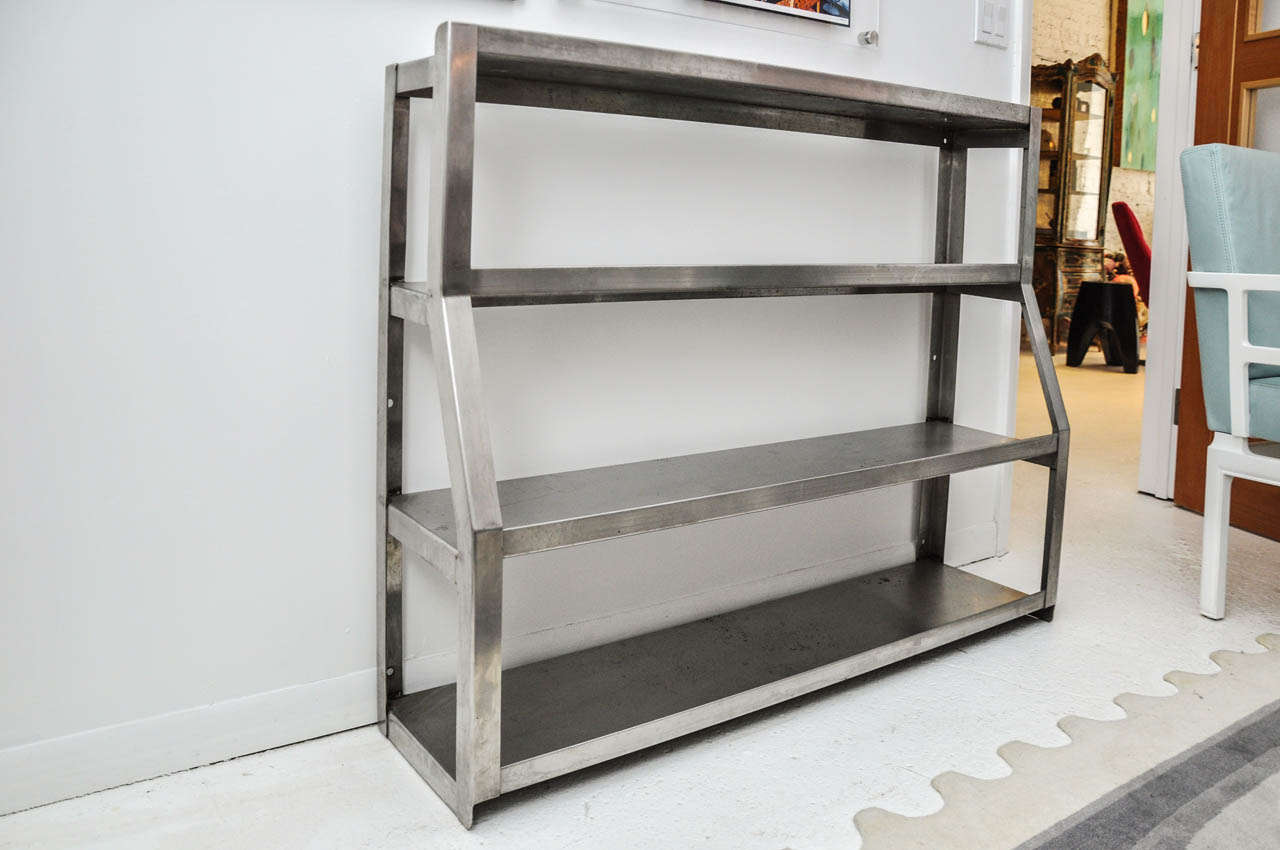
Stainless steel shelves are a staple in any commercial kitchen. They are durable, easy to clean, and can withstand the rigors of a busy kitchen environment. However, it is important to install and maintain stainless steel shelves properly to ensure that they last for many years.
The following is a step-by-step guide to installing stainless steel shelves in a commercial kitchen:
Installation
- Choose the right location for the shelves. The shelves should be placed in a location that is easy to access and does not impede the flow of traffic in the kitchen.
- Measure the space where the shelves will be installed. The shelves should be the right size to fit the space without being too large or too small.
- Install the brackets that will support the shelves. The brackets should be spaced evenly apart and should be securely attached to the wall.
- Place the shelves on the brackets. The shelves should be level and should be securely attached to the brackets.
- Check the shelves to make sure that they are installed correctly. The shelves should be level and should not wobble.
Once the shelves are installed, it is important to maintain them properly to ensure that they last for many years. The following are some best practices for cleaning and sanitizing stainless steel shelves:
Maintenance, Restaurant stainless steel shelves
- Clean the shelves regularly with a mild detergent and water. Do not use abrasive cleaners, as these can damage the surface of the shelves.
- Sanitize the shelves regularly with a food-grade sanitizer. This will help to kill bacteria and prevent the spread of foodborne illness.
- Inspect the shelves regularly for any signs of damage. If you find any damage, repair it immediately to prevent the damage from getting worse.
By following these tips, you can ensure that your stainless steel shelves will last for many years and will continue to provide you with a safe and sanitary storage solution.
Creative Uses for Stainless Steel Shelves
Beyond their primary purpose of storage, stainless steel shelves offer a versatile canvas for innovative solutions in commercial kitchens. Their durability and adaptability make them ideal for maximizing space utilization, streamlining workflow, and enhancing the overall design aesthetic.
One innovative approach is to use shelves as a space-saving alternative to bulky storage racks. By mounting shelves on walls or suspending them from ceilings, kitchens can free up valuable floor space while keeping frequently used items within easy reach.
Incorporating Shelves into Custom Kitchen Designs
Stainless steel shelves seamlessly integrate into custom kitchen designs, allowing for tailored storage solutions that cater to specific needs. For instance, shelves can be fabricated with adjustable heights and depths to accommodate items of various sizes and shapes.
- Customized Dimensions:Shelves can be tailored to fit odd-shaped spaces or accommodate oversized equipment, maximizing storage capacity and minimizing wasted space.
- Integrated Lighting:Shelves can be equipped with LED lighting to illuminate stored items, enhancing visibility and facilitating inventory management.
- Aesthetic Enhancements:Shelves can be finished in a variety of styles and colors to complement the overall kitchen design, from sleek and modern to rustic and industrial.
Comparison of Stainless Steel Shelves to Other Materials
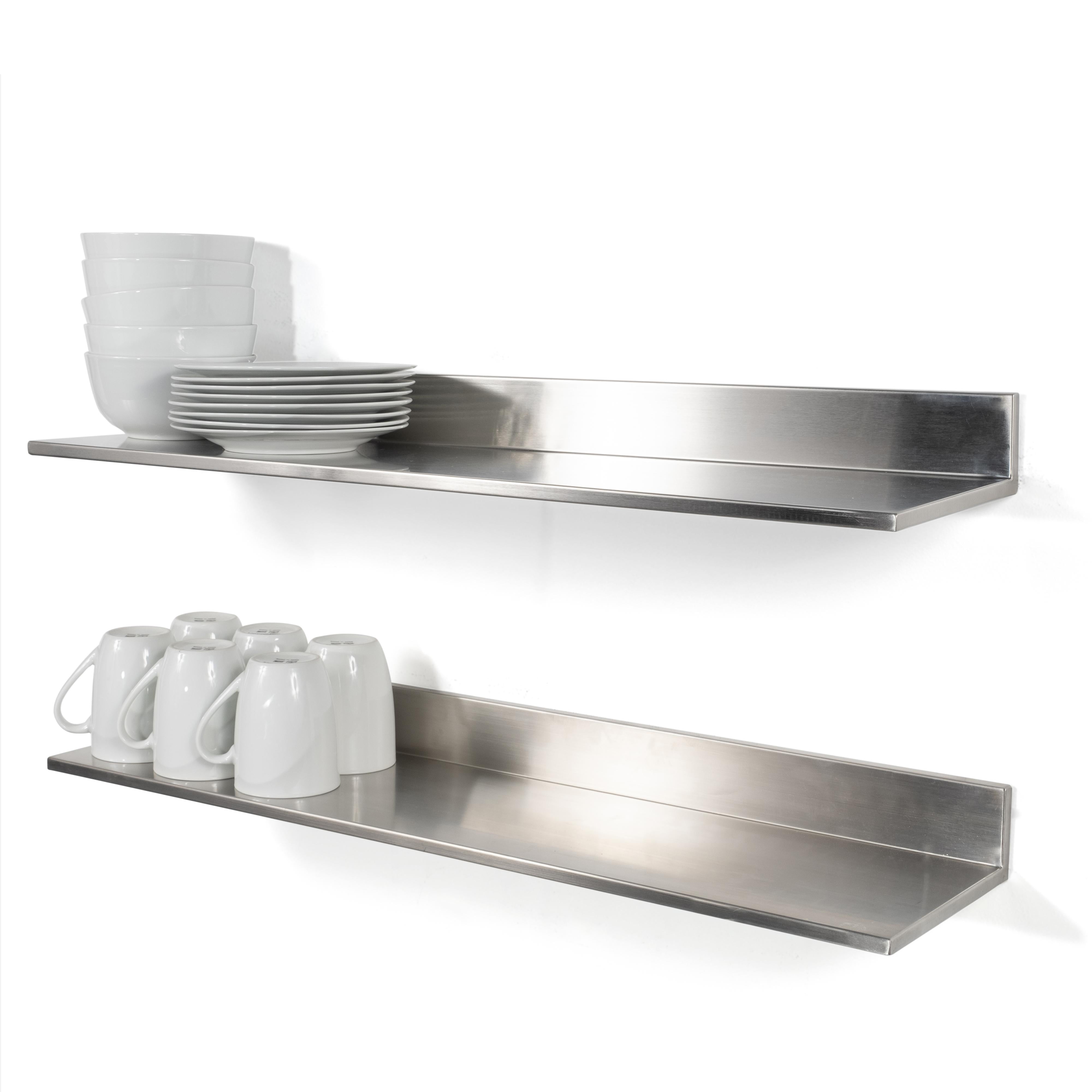
Stainless steel shelves are a popular choice for commercial kitchens due to their durability, ease of maintenance, and resistance to corrosion. However, they are not the only option available. Other materials, such as aluminum, galvanized steel, and plastic, also have their own advantages and disadvantages.
The following table compares stainless steel shelves to other commonly used materials in commercial kitchens:
| Material | Durability | Cost | Maintenance |
|---|---|---|---|
| Stainless steel | Excellent | High | Low |
| Aluminum | Good | Moderate | Moderate |
| Galvanized steel | Good | Low | Moderate |
| Plastic | Fair | Low | Low |
As you can see, stainless steel shelves offer the best combination of durability, cost, and maintenance. They are more expensive than other materials, but they will last longer and require less maintenance. Aluminum shelves are a good alternative to stainless steel, but they are not as durable and may require more maintenance.
Galvanized steel shelves are a good budget-friendly option, but they are not as durable as stainless steel or aluminum. Plastic shelves are the least durable and require the least maintenance, but they are not suitable for all kitchen environments.
When choosing the right material for your commercial kitchen shelves, it is important to consider the following factors:
- The type of food that will be stored on the shelves
- The weight of the food that will be stored on the shelves
- The frequency with which the shelves will be cleaned
- The budget for the shelves
By considering these factors, you can choose the right material for your commercial kitchen shelves that will meet your needs and budget.
Outcome Summary: Restaurant Stainless Steel Shelves
Stainless steel shelves are a cornerstone of any well-equipped commercial kitchen. Their durability, hygiene, and versatility make them an indispensable tool for maximizing storage space, improving workflow, and maintaining a sanitary environment. By following the guidance provided in this comprehensive guide, you can select, install, and maintain your stainless steel shelves with confidence, ensuring they serve your kitchen for years to come.