Plumbing fixture manufacturers are at the heart of creating beautiful and functional bathrooms and kitchens. From sleek faucets to elegant sinks, they shape the spaces where we live, offering a blend of aesthetics, durability, and innovation.
In this comprehensive guide, we delve into the world of plumbing fixture manufacturers, exploring their popular product lines, the factors influencing consumer choices, and the latest trends shaping the industry.
Popular Plumbing Fixture Manufacturers
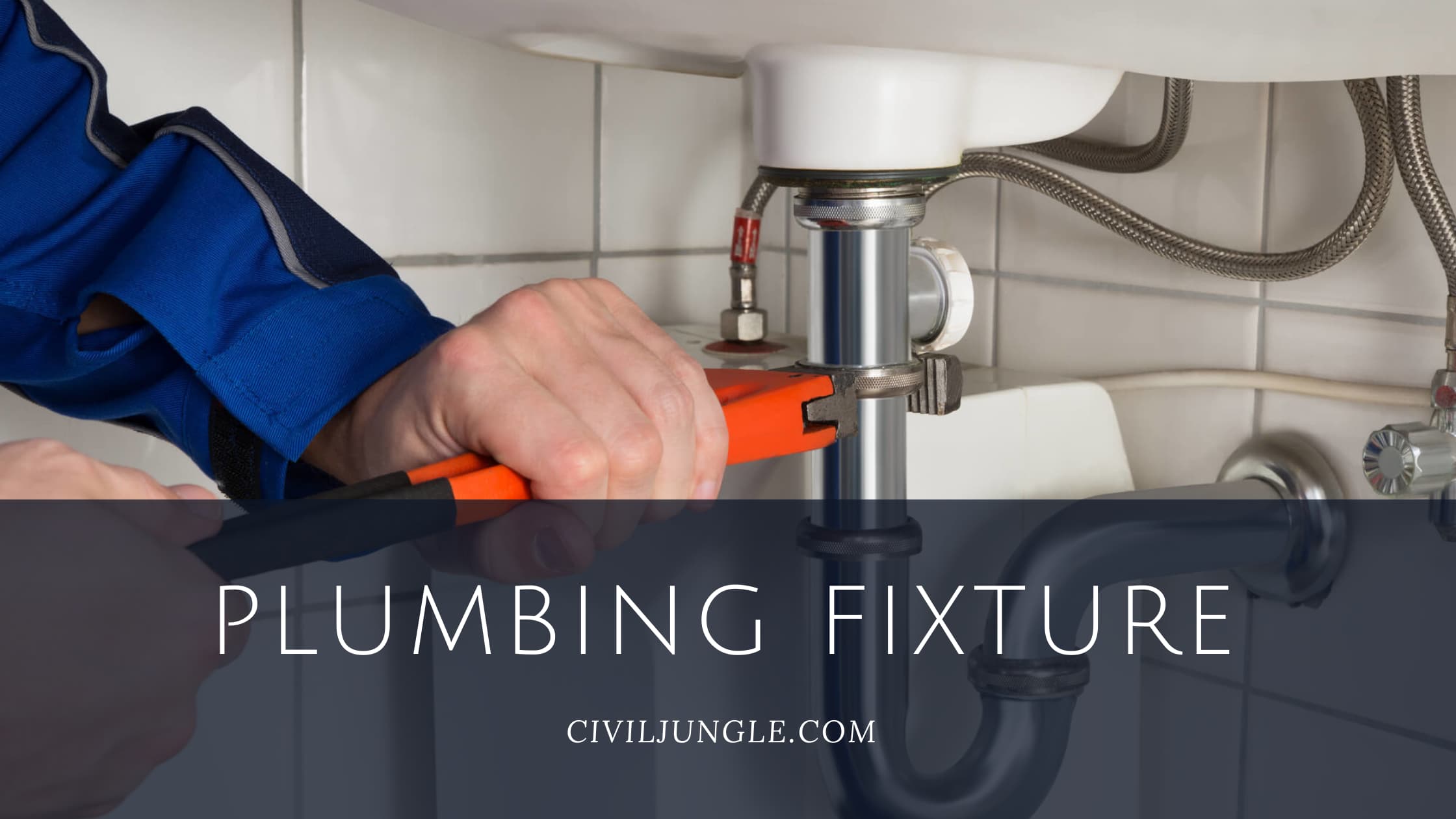
When it comes to plumbing fixtures, several renowned manufacturers have established themselves as industry leaders, offering a wide range of high-quality products to meet the diverse needs of homeowners, contractors, and commercial establishments.
These manufacturers are known for their commitment to innovation, design, and durability, ensuring that their fixtures not only perform exceptionally but also enhance the aesthetics of any bathroom or kitchen space.
List of Popular Plumbing Fixture Manufacturers
Here’s a list of some of the most popular plumbing fixture manufacturers in the industry:
| Manufacturer | Headquarters | Year of Establishment | Product Offerings |
|---|---|---|---|
| Moen | Elyria, Ohio, United States | 1954 | Faucets, sinks, showers, accessories |
| Delta Faucet Company | Indianapolis, Indiana, United States | 1954 | Faucets, sinks, showers, toilets |
| Kohler | Kohler, Wisconsin, United States | 1873 | Faucets, sinks, showers, toilets, bathtubs |
| American Standard | Piscataway, New Jersey, United States | 1875 | Faucets, sinks, showers, toilets, bathtubs |
| Toto | Kitakyushu, Fukuoka, Japan | 1917 | Toilets, bidets, faucets, sinks |
| Hansgrohe | Schiltach, Germany | 1901 | Faucets, showers, accessories |
| Grohe | Düsseldorf, Germany | 1936 | Faucets, showers, toilets, bathtubs |
| Roca | Gavà, Barcelona, Spain | 1917 | Faucets, sinks, showers, toilets, bathtubs |
Product Lines of Plumbing Fixture Manufacturers
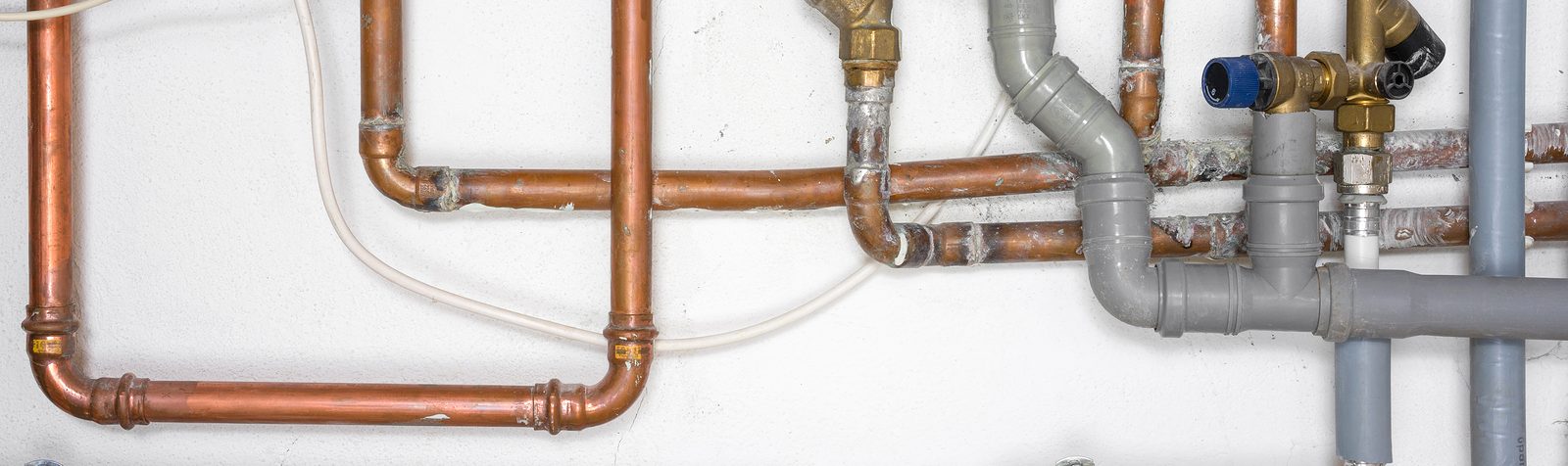
Plumbing fixture manufacturers offer a diverse range of products that cater to various functional requirements and aesthetic preferences. These product lines can be categorized based on their specific applications:
Faucets
Faucets are an integral part of any plumbing system, controlling the flow and temperature of water. Manufacturers offer a wide selection of faucets, including traditional two-handle models, single-handle lever faucets, touchless faucets, and wall-mounted faucets. They come in various materials, such as brass, stainless steel, and chrome, and feature a range of designs from classic to contemporary.
Technological advancements have introduced touchless faucets with motion sensors and smart faucets that can be controlled via mobile apps.
Sinks, Plumbing fixture manufacturers
Sinks are essential for daily tasks like washing hands, dishes, and cleaning. Manufacturers provide a variety of sink types, including drop-in sinks, undermount sinks, pedestal sinks, and vessel sinks. They are available in different materials, including stainless steel, ceramic, granite, and quartz.
Design styles range from traditional apron-front sinks to modern and minimalist designs. Some sinks incorporate innovative features such as built-in drainboards and sound-dampening technology.
Toilets
Toilets are crucial for sanitation and hygiene. Manufacturers offer a range of toilet designs, including one-piece toilets, two-piece toilets, wall-mounted toilets, and skirted toilets. They come in various flushing mechanisms, such as gravity flush, dual flush, and pressure-assisted flush. Toilets are available in a variety of materials, including porcelain, ceramic, and vitreous china.
Technological advancements have introduced toilets with bidet functionality, heated seats, and touchless flushing.
Showers
Showers provide a refreshing and invigorating experience. Manufacturers offer a variety of shower options, including walk-in showers, tub showers, and steam showers. They come in different materials, such as acrylic, fiberglass, and tile. Showerheads vary in style and functionality, from traditional single-spray heads to multi-spray heads with adjustable water patterns.
Technological advancements have introduced digital shower systems with customizable settings and touchscreens.
Accessories
Plumbing fixture manufacturers also offer a range of accessories to complement their product lines. These include towel bars, soap dispensers, grab bars, and shower caddies. Accessories come in various materials, designs, and finishes to match different bathroom styles. They play a vital role in enhancing the functionality, safety, and aesthetics of the bathroom.
Factors Influencing the Choice of Plumbing Fixtures
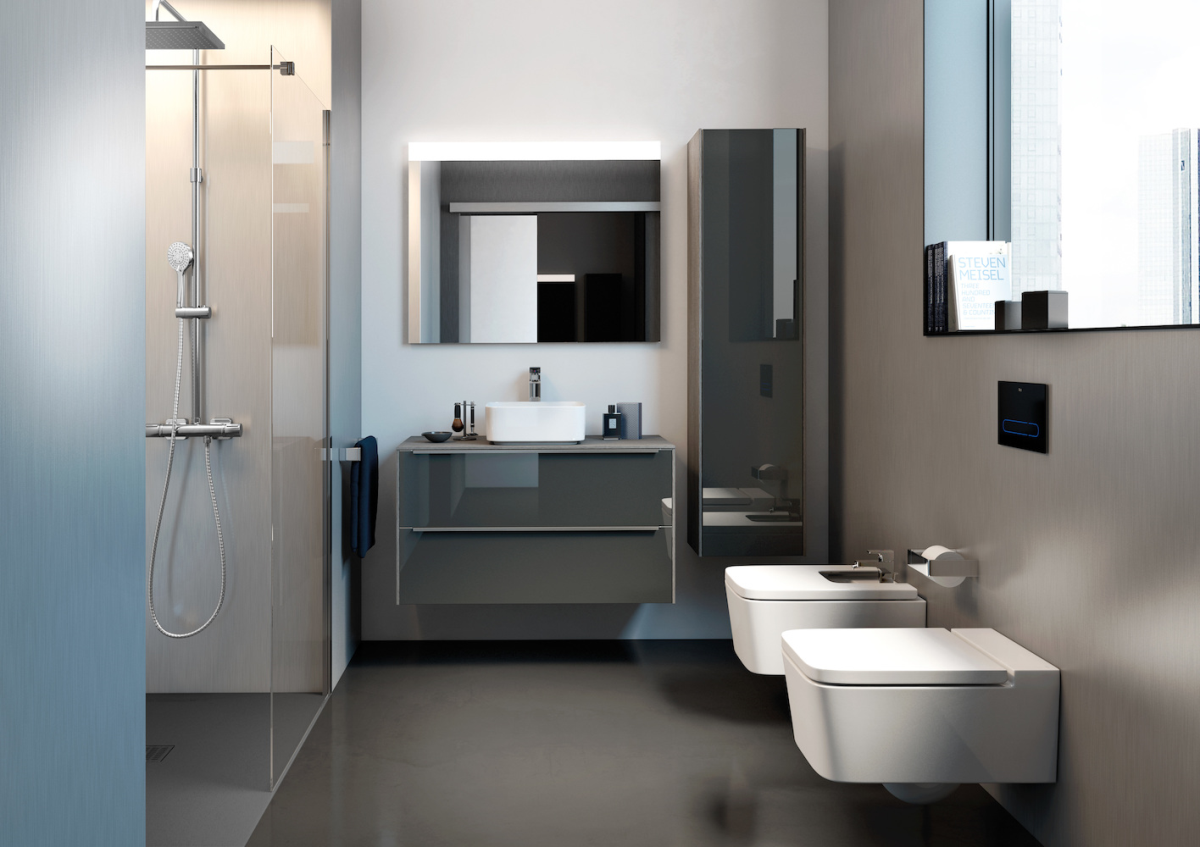
When selecting plumbing fixtures, several key factors influence consumers’ decisions. These factors include functionality, aesthetics, durability, sustainability, and cost. Manufacturers cater to these considerations through their product designs and marketing strategies.
Functionality
Functionality is paramount in plumbing fixture selection. Fixtures must perform their intended tasks effectively and reliably. Factors to consider include water flow rate, temperature control, ease of use, and accessibility for individuals with disabilities.
- Example:Touchless faucets promote hygiene and convenience by eliminating the need for manual contact.
Aesthetics
Aesthetics play a significant role in plumbing fixture choice. Fixtures should complement the overall bathroom or kitchen design. Consumers consider factors such as style, color, finish, and shape.
- Example:Manufacturers offer a wide range of fixture designs to cater to diverse tastes, from traditional to contemporary.
Durability
Durability is essential for long-lasting performance. Fixtures should withstand daily use and resist corrosion, leaks, and damage. Consumers consider materials, construction methods, and warranties.
- Example:Fixtures made from solid brass or stainless steel offer superior durability compared to plastic or plated options.
Sustainability
Sustainability is increasingly important in plumbing fixture selection. Consumers seek eco-friendly options that conserve water and energy. Factors to consider include water-saving features, low-flow rates, and energy-efficient appliances.
- Example:Dual-flush toilets and low-flow showerheads reduce water consumption without compromising performance.
Cost
Cost is a significant factor for many consumers. Plumbing fixtures vary in price depending on materials, features, and brand reputation. Consumers must balance their budget with their desired functionality, aesthetics, and durability.
- Example:Manufacturers offer a range of price points to cater to different budgets, from budget-friendly options to luxury fixtures.
Trends in Plumbing Fixture Design: Plumbing Fixture Manufacturers
Plumbing fixture design is constantly evolving, with new trends emerging all the time. These trends are driven by a variety of factors, including changing consumer preferences, advances in technology, and a growing focus on sustainability.
One of the most significant trends in plumbing fixture design is the increasing popularity of smart fixtures. Smart fixtures are equipped with sensors and other technology that allows them to be controlled remotely or even automated. This can provide a number of benefits, such as increased convenience, water conservation, and energy efficiency.
Another major trend is the growing use of sustainable materials in plumbing fixtures. Sustainable materials are those that are environmentally friendly and have a low impact on the environment. Some of the most popular sustainable materials used in plumbing fixtures include recycled glass, bamboo, and low-flow aerators.
Emerging Styles
In addition to smart fixtures and sustainable materials, there are a number of other emerging styles in plumbing fixture design. These styles include:
- Contemporary:Contemporary plumbing fixtures are characterized by their clean lines, simple shapes, and minimalist aesthetic.
- Traditional:Traditional plumbing fixtures are inspired by classic designs from the past. They often feature ornate details and a timeless appeal.
- Transitional:Transitional plumbing fixtures combine elements of both contemporary and traditional styles. They are a good choice for those who want a look that is both stylish and timeless.
- Industrial:Industrial plumbing fixtures are inspired by the raw materials and exposed pipes of industrial spaces. They are often made from metal or concrete and have a rugged, utilitarian look.
- Bohemian:Bohemian plumbing fixtures are characterized by their eclectic mix of colors, patterns, and textures. They are a good choice for those who want to create a unique and personal space.
Innovative Technologies
In addition to new styles, there are also a number of innovative technologies that are being used in plumbing fixture design. These technologies include:
- Touchless faucets:Touchless faucets use sensors to detect when someone is present and automatically turn on and off the water. This can help to conserve water and reduce the spread of germs.
- Voice-activated faucets:Voice-activated faucets allow you to control the water flow using your voice. This is a convenient feature for those who have their hands full or who want to be able to control the water from a distance.
- Smart showers:Smart showers allow you to customize your shower experience. You can control the water temperature, flow rate, and even the lighting using a remote control or smartphone app.
Eco-friendly Practices
In addition to new styles and technologies, there is also a growing focus on eco-friendly practices in plumbing fixture design. Eco-friendly plumbing fixtures are designed to minimize water and energy consumption. Some of the most common eco-friendly plumbing fixtures include:
- Low-flow toilets:Low-flow toilets use less water per flush than traditional toilets. This can help to conserve water and reduce your water bill.
- Dual-flush toilets:Dual-flush toilets have two buttons, one for a full flush and one for a half flush. This allows you to choose the amount of water that is used for each flush, which can help to conserve water.
- Tankless water heaters:Tankless water heaters heat water on demand, which means that they don’t have to store a tank of hot water. This can help to save energy and reduce your water bill.
Closure
As we conclude our exploration of plumbing fixture manufacturers, it’s evident that these companies are not just suppliers of fixtures but also partners in creating dream homes. Their commitment to quality, innovation, and sustainability ensures that our bathrooms and kitchens remain havens of comfort, style, and efficiency for years to come.
