Tired of that pesky drip-drip-drip coming from your bathtub faucet? Leaky bathtub faucet repair doesn’t have to be a daunting task. With the right tools and a little guidance, you can fix it yourself and save a few bucks. Let’s dive into the world of leaky faucet repair, step by step.
From identifying the cause of the leak to replacing washers and tightening connections, we’ll cover everything you need to know. Along the way, we’ll also share some preventative maintenance tips to keep your faucet leak-free for longer.
Causes of Leaky Bathtub Faucets
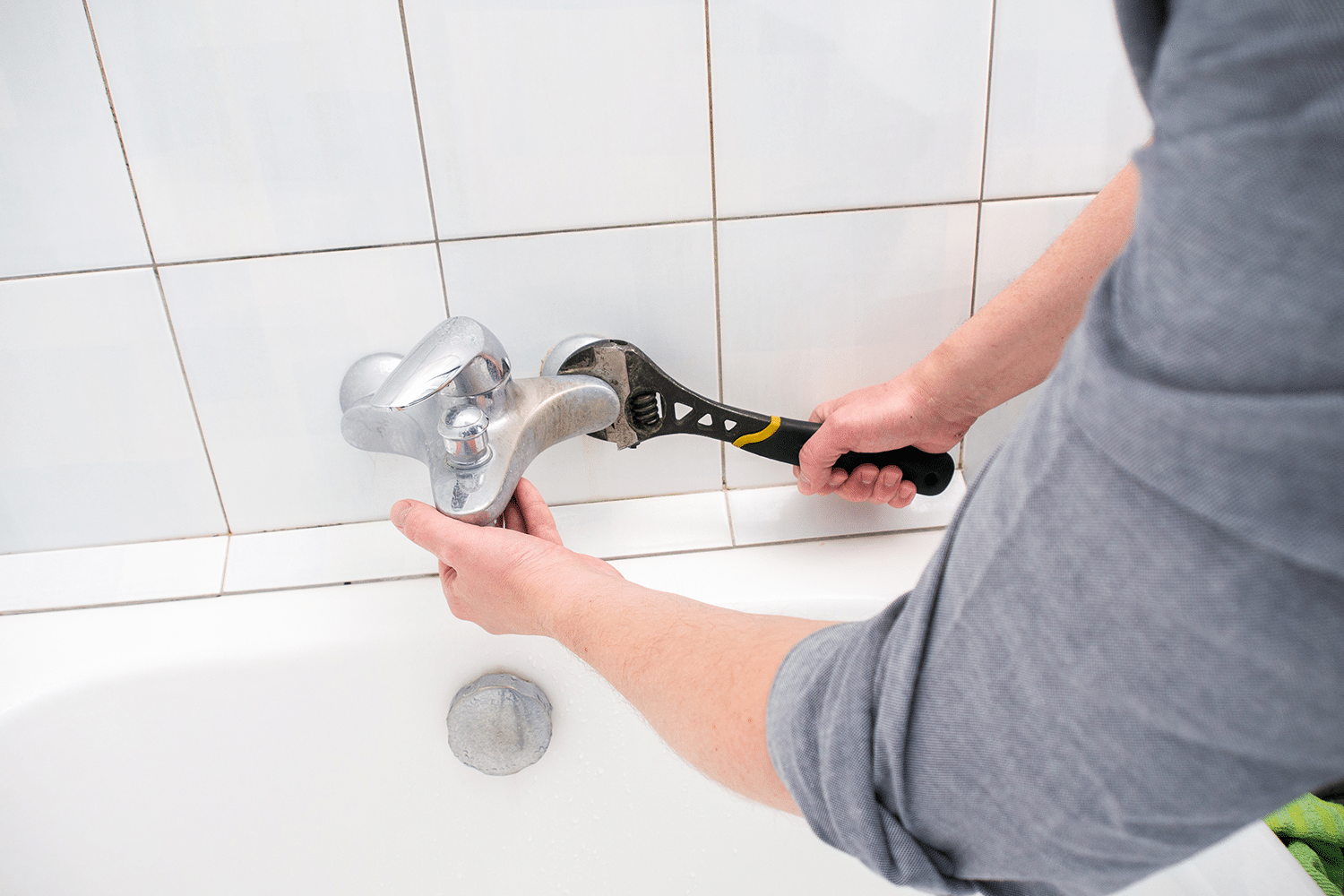
Identifying the cause of a leaky bathtub faucet is essential for effective repair. Common causes include worn washers, damaged O-rings, or loose handles.
Single-Handle Faucets
In single-handle faucets, leaks often occur due to worn cartridge seals or loose handles. Cartridge seals deteriorate over time, causing water to seep through. Loose handles can also lead to leaks if they allow water to bypass the cartridge.
Two-Handle Faucets
Two-handle faucets may leak due to worn washer seats or faulty O-rings. Washer seats are located where the handle stem meets the faucet body, and worn seats can allow water to leak around the stem. O-rings are small rubber gaskets that create a seal between the handle stem and the faucet body, and damaged O-rings can also cause leaks.
Loose Handles
Loose handles can occur in both single-handle and two-handle faucets. If the handle is not properly tightened, it can allow water to seep through the base of the handle.
Step-by-Step Repair Guide
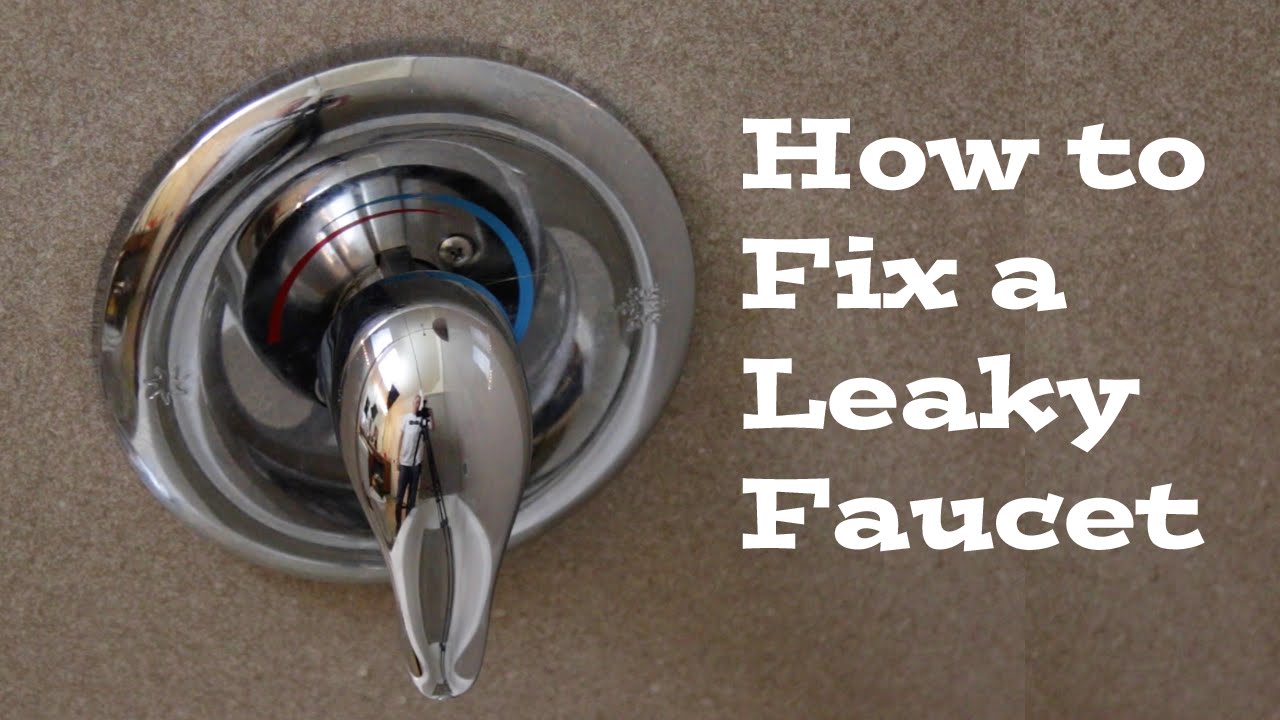
Repairing a leaky bathtub faucet requires careful preparation and execution. By following these comprehensive instructions, you can effectively address the issue and restore the functionality of your faucet.
Before beginning the repair, ensure you have gathered the necessary tools and materials, including a wrench, pliers, screwdrivers, replacement washers, and a sealant. Safety precautions should be taken, such as turning off the water supply and wearing protective gloves.
Removing the Faucet Handle
Identify the type of handle on your faucet and determine the appropriate method for removal. For lever handles, locate the set screw beneath the handle and loosen it using a screwdriver. For cross handles, use a wrench to unscrew the handle.
Preventative Maintenance Tips
Regular maintenance is crucial for extending the lifespan of your bathtub faucet and preventing costly repairs. Here are some practical tips to keep your faucet in top condition:
Regular cleaning is essential to prevent mineral buildup and corrosion. Use a mild cleaning solution and a soft cloth to wipe down the faucet and remove any dirt or debris. Pay special attention to the aerator, as it can easily become clogged with sediment.
Loose handles can cause leaks and damage to the faucet. Tighten any loose handles by turning the screws clockwise with a screwdriver. If the handles are still loose, you may need to replace the washers or O-rings.
Worn parts can lead to leaks and reduced water pressure. Replace worn parts, such as washers, O-rings, and gaskets, as needed. Regularly checking for wear and tear will help prevent major problems from developing.
Frequency of Maintenance
The frequency of maintenance depends on the usage and water quality in your home. Generally, it is recommended to:
- Clean the faucet monthly
- Tighten loose handles as needed
- Replace worn parts every 2-3 years
By following these preventative maintenance tips, you can extend the lifespan of your bathtub faucet and avoid costly repairs.
Troubleshooting Common Problems: Leaky Bathtub Faucet Repair
During bathtub faucet repair, encountering various issues is not uncommon. This section aims to identify and provide solutions for prevalent problems, empowering you to tackle these challenges effectively. However, it’s crucial to recognize the limitations of DIY repairs and seek professional assistance when necessary.
Persistent Leaks, Leaky bathtub faucet repair
- Damaged O-rings or Washers:Over time, these components can deteriorate, leading to leaks. Replace them with new ones to resolve the issue.
- Loose Cartridge:The cartridge is responsible for controlling water flow. If it becomes loose, leaks may occur. Tighten the cartridge or replace it if necessary.
- Cracked Faucet Body:In rare cases, the faucet body itself may develop cracks, resulting in leaks. This requires professional repair or replacement.
Difficulty Removing Handles
- Mineral Deposits:Hard water can cause mineral deposits to accumulate, making it challenging to remove handles. Apply a penetrating oil or lubricant to loosen the deposits.
- Stripped Screws:If the screws holding the handles are stripped, use pliers or a screw extractor to remove them. Replace the screws with new ones.
- Stuck Set Screw:Some handles have a small set screw that needs to be loosened before removing the handle. Locate and loosen this screw using an Allen wrench.
Damaged Parts
- Corroded Aerator:The aerator, located at the end of the faucet, can become corroded and restrict water flow. Replace the aerator to resolve the issue.
- Broken Cartridge:If the cartridge is damaged, it can cause leaks or restrict water flow. Replace the cartridge with a new one.
- Damaged Valve Seat:The valve seat is a critical component that seals the water flow. If it becomes damaged, it can cause leaks. In such cases, professional repair or replacement is recommended.
Final Thoughts
There you have it, a comprehensive guide to leaky bathtub faucet repair. With a little effort and the right approach, you can fix that dripping faucet and restore peace and quiet to your bathroom. Remember, if you encounter any persistent problems or feel overwhelmed, don’t hesitate to seek professional assistance.