Laminate countertop installation offers a cost-effective and durable solution for upgrading your kitchen. With careful planning and precise techniques, you can achieve a professional-looking finish that will enhance the functionality and aesthetics of your space.
From planning and preparation to installation and finishing, this comprehensive guide will walk you through every step of the laminate countertop installation process, ensuring a seamless and successful outcome.
Planning and Preparation
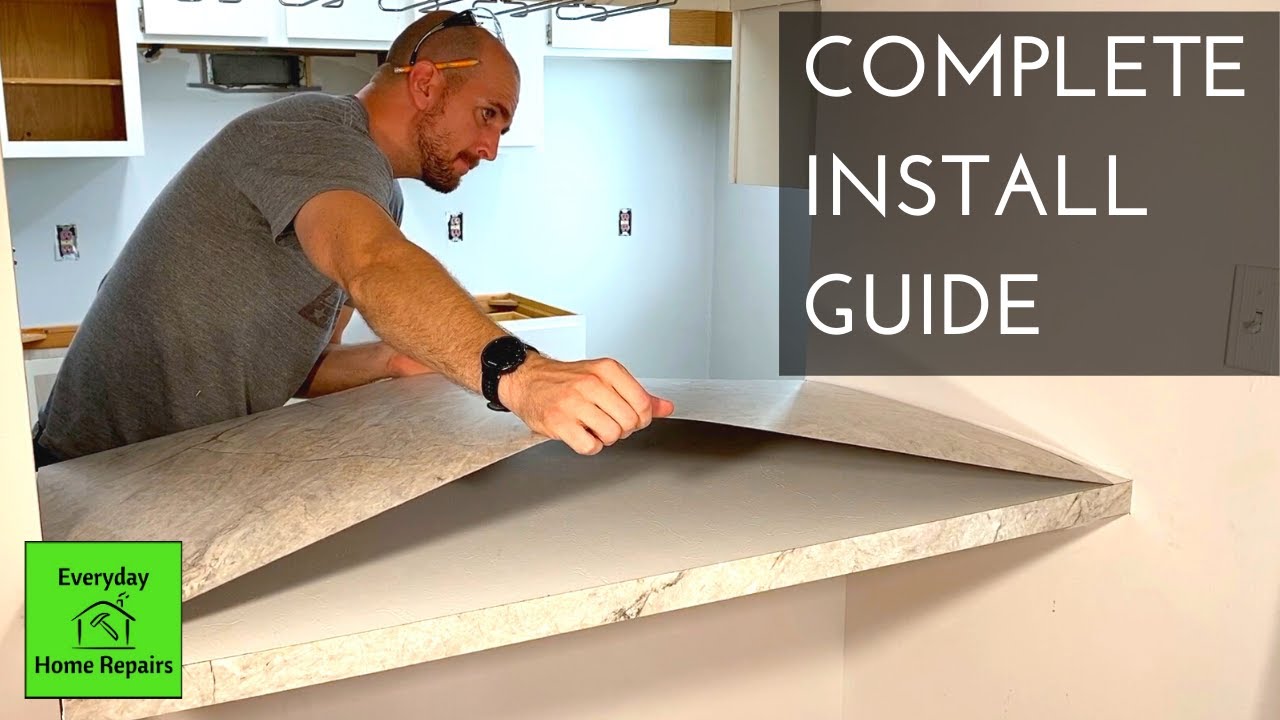
Prior to commencing the installation process, meticulous planning and preparation are imperative to guarantee a seamless and satisfactory outcome. This involves precise measurements, meticulous cutting techniques, and the procurement of appropriate tools and equipment.
Step-by-Step Guide to Planning and Preparation
- Accurate Measurements:Measure the countertops thoroughly, accounting for any obstructions, such as sinks or appliances. Transfer these measurements onto the laminate sheets, ensuring precise alignment.
- Precise Cutting:Utilize a circular saw or jigsaw to cut the laminate sheets to the desired dimensions. Employ a sharp blade and maintain a steady hand to achieve clean and precise cuts.
- Assembling Materials:Gather all necessary materials, including the laminate sheets, adhesive, clamps, and finishing tools. Ensure the adhesive is compatible with both the laminate and the substrate.
- Tools and Equipment:Procure the essential tools for the installation, such as a saw, drill, clamps, measuring tape, level, and a caulking gun. A router may also be beneficial for creating intricate cuts or edging.
Installation Techniques
Installing laminate countertops involves several techniques to ensure a secure and level surface. These methods include gluing, nailing, or a combination of both.
The choice of technique depends on the type of countertop, the substrate it will be installed on, and the desired level of durability.
Gluing
Gluing is a common method for installing laminate countertops. It involves applying a layer of adhesive to the underside of the countertop and pressing it firmly onto the base cabinets.
The adhesive used for gluing countertops is typically a construction adhesive specifically designed for this purpose. It provides a strong and durable bond between the countertop and the substrate.
Nailing
Nailing is another method for installing laminate countertops. It involves securing the countertop to the base cabinets using nails.
The nails used for nailing countertops are typically roofing nails or other types of nails specifically designed for this purpose. They are driven through the countertop and into the base cabinets, providing a secure hold.
Combination of Gluing and Nailing
In some cases, a combination of gluing and nailing is used to install laminate countertops. This method provides the benefits of both techniques, resulting in a strong and durable installation.
When using a combination of gluing and nailing, the adhesive is first applied to the underside of the countertop. The countertop is then pressed into place and secured with nails.
Leveling and Shimming
To ensure a level and even surface, shims or spacers are often used during the installation of laminate countertops.
Shims are thin pieces of material, such as wood or plastic, that are placed between the countertop and the base cabinets. They help to level the countertop and prevent uneven surfaces.
Seaming and Finishing

Creating seamless joints and a professional-looking finish are essential steps in laminate countertop installation. This section will guide you through the techniques for achieving a flawless result.
Seaming Techniques
Laminate pieces can be joined using different techniques:
- Butt Joints:Simple and straightforward, butt joints involve placing the edges of two laminate pieces together without any overlapping.
- Miter Joints:Create a more refined look by cutting the edges of the laminate at a 45-degree angle and joining them at a 90-degree angle.
- Specialized Joining Systems:Use pre-fabricated joining systems, such as T-moldings or biscuit joiners, to provide additional strength and conceal seams.
Filling Gaps and Imperfections
After seaming, fill any gaps or imperfections using caulk or other sealants. Choose a color that matches the laminate for a seamless appearance. Apply the sealant carefully, ensuring it fills the gaps completely.
Edge Treatments
Enhance the aesthetics and functionality of your laminate countertop with edge treatments. Common options include:
- Bullnose:Rounded edge for a smooth and elegant look.
- Beveled:Slanted edge that adds visual interest and facilitates cleaning.
- Square:Clean and modern edge with a 90-degree angle.
Choosing the right edge treatment depends on personal preference and the overall design of the kitchen or bathroom.
Maintenance and Care
Maintaining laminate countertops is essential to ensure their longevity and pristine appearance. Proper cleaning and care practices can significantly extend the lifespan of these durable surfaces.
Using Appropriate Cleaning Products
Avoid using harsh chemicals or abrasive cleaners on laminate countertops. These substances can damage the surface, causing dullness, scratches, or discoloration. Instead, opt for mild, non-abrasive cleaners specifically designed for laminate surfaces. These products effectively remove dirt and grime without harming the delicate finish.
Avoiding Abrasive Materials
Never use abrasive materials such as steel wool, scouring pads, or abrasive sponges on laminate countertops. These materials can scratch the surface, creating unsightly marks that compromise the countertop’s aesthetics and durability. Instead, use soft cloths or sponges for cleaning and wiping.
Repairing Minor Scratches and Dents, Laminate countertop installation
Minor scratches or dents on laminate countertops can be repaired using touch-up kits available at most hardware stores. These kits typically include a color-matched filler and a clear topcoat to restore the damaged area to its original appearance. Follow the manufacturer’s instructions carefully for successful repairs.
Epilogue: Laminate Countertop Installation
By following the steps Artikeld in this guide, you can confidently tackle your laminate countertop installation project and create a beautiful, functional, and long-lasting addition to your kitchen.