How to make a valance curtain – Embark on a journey to transform your windows with elegance and style by crafting a valance curtain. This comprehensive guide will unveil the secrets of selecting the perfect fabric, measuring and cutting with precision, constructing with finesse, and hanging with panache.
Prepare to elevate your home’s ambiance with a touch of DIY magic.
From traditional to contemporary designs, valance curtains add a touch of sophistication and warmth to any room. Whether you seek to enhance privacy, control light, or simply add a decorative element, this guide will empower you with the knowledge and techniques to create a stunning valance curtain that complements your unique style.
Valance Curtain Design and Fabric Selection
Valance curtains add a touch of elegance and style to any room. They come in various designs, from simple and understated to elaborate and dramatic. The type of valance you choose will depend on the overall style of your room and the desired effect.
When selecting fabric for your valance curtains, consider the texture, weight, and drape. Lightweight fabrics like sheer or voile are ideal for creating a soft and airy look. Heavier fabrics like velvet or brocade will add a more formal and luxurious touch.
Types of Valance Curtains
- Flat valancesare simple and versatile, consisting of a single piece of fabric that is hung straight across the top of the window.
- Gathered valanceshave a gathered or pleated appearance, adding a touch of fullness and drama to the window.
- Swags and jabotsare more elaborate valances that create a curved or draped effect. They are often used in formal settings.
- Box pleat valanceshave a series of evenly spaced pleats that create a structured and tailored look.
Fabric Selection for Valance Curtains
- Texture:The texture of the fabric will affect the overall look of the valance. Smooth fabrics like satin or silk will create a more formal and elegant look, while textured fabrics like linen or burlap will add a more casual and rustic touch.
- Weight:The weight of the fabric will determine how well it drapes. Lightweight fabrics will create a more airy and飄逸look, while heavier fabrics will create a more substantial and formal look.
- Drape:The drape of the fabric will determine how it hangs on the window. Fabrics with a good drape will hang smoothly and evenly, while fabrics with a poor drape will be more likely to wrinkle or sag.
Measuring and Cutting the Valance Curtain

Precisely measuring the window and cutting the fabric are crucial steps in creating a custom-fitted valance curtain. Here’s a detailed guide to help you achieve accurate dimensions and clean edges.
Measuring the Window
To determine the dimensions of the valance curtain, you need to measure the width and height of the window.
- Width:Measure the distance between the left and right sides of the window frame, including any trim or molding.
- Height:Measure the distance from the top of the window frame to the desired bottom edge of the valance curtain.
Cutting the Fabric, How to make a valance curtain
Once you have the measurements, you can cut the fabric. Use a sharp pair of scissors or a rotary cutter for precise cuts.
- Straight Lines:Use a ruler or measuring tape to mark the cutting lines on the fabric. Hold the fabric taut and cut along the lines using a straight edge as a guide.
- Clean Edges:To prevent fraying, finish the edges of the fabric with a serger, pinking shears, or a zigzag stitch on a sewing machine.
By following these steps, you can ensure that your valance curtain is the perfect size and shape for your window.
Constructing the Valance Curtain: How To Make A Valance Curtain
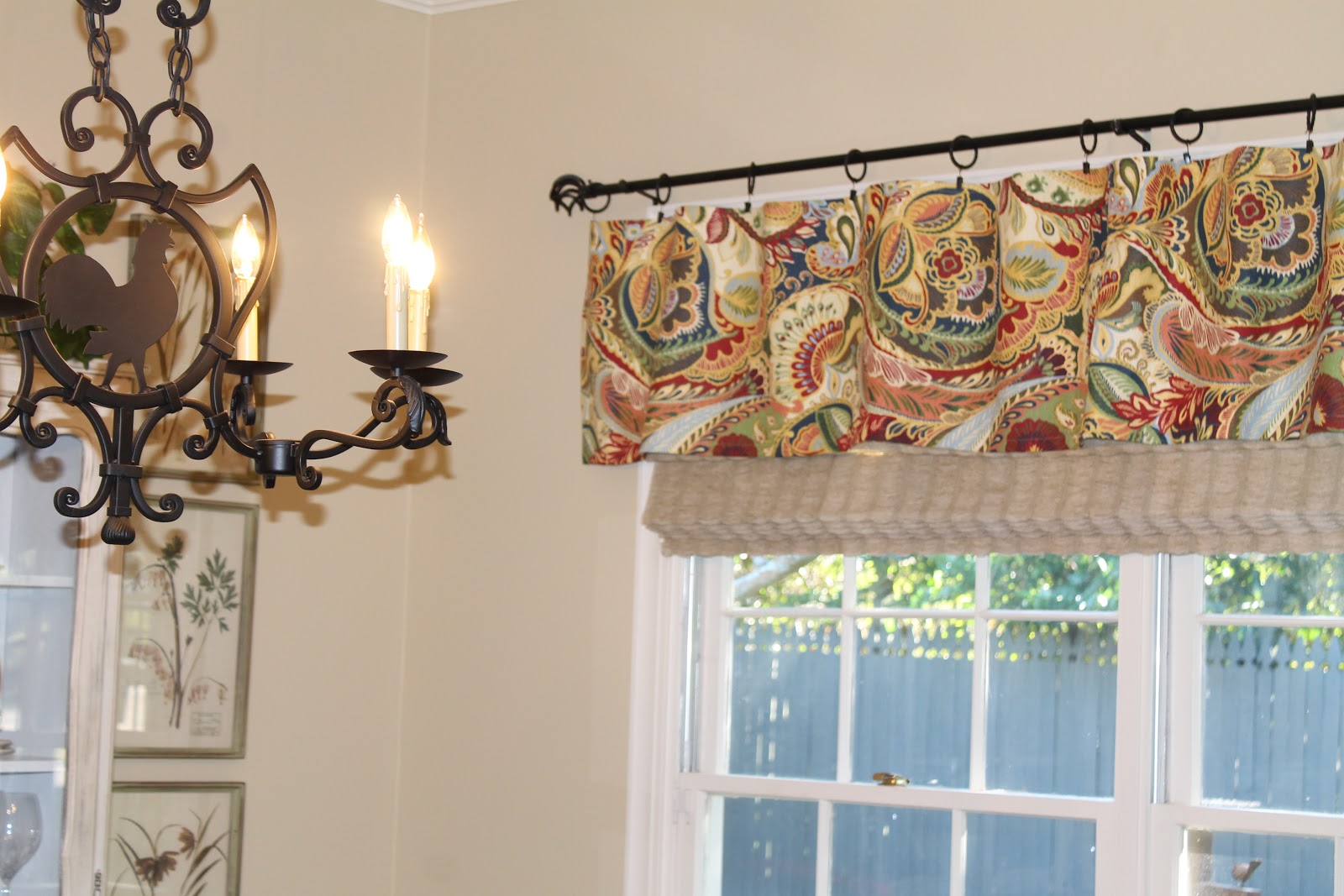
With the fabric pieces cut and prepared, it’s time to assemble the valance curtain. This process involves sewing the fabric pieces together, creating pleats or gathers, and adding a header or rod pocket for hanging.
For a professional-looking finish, consider using interfacing to stabilize the fabric and blind stitching to conceal the raw edges. Let’s delve into the steps involved in constructing the valance curtain:
Sewing the Fabric Pieces
- Align the fabric pieces with right sides facing and pin them together along the edges.
- Sew the fabric pieces together using a straight stitch, leaving a small opening for turning.
- Turn the curtain right side out through the opening and press the seams flat.
Creating Pleats or Gathers
- To create pleats, mark the desired pleat intervals along the top edge of the curtain.
- Fold the fabric along the marked intervals and pin the pleats in place.
- Sew the pleats down, securing them in place.
- For gathers, gather the fabric evenly along the top edge using a gathering stitch.
Adding a Header or Rod Pocket
- Measure and cut a piece of fabric for the header or rod pocket.
- Fold the header or rod pocket in half lengthwise and press the crease.
- Align the raw edge of the header or rod pocket with the top edge of the curtain and pin in place.
- Sew the header or rod pocket to the curtain, enclosing the raw edges.
Hanging and Styling the Valance Curtain

Once your valance curtain is constructed, it’s time to hang and style it. This step adds the finishing touches and enhances the overall aesthetic of your window treatment.
Hanging the Valance Curtain
Depending on your preference and the type of valance curtain you’ve created, there are two primary methods for hanging it:
- Curtain Rod:Thread the valance curtain onto a curtain rod and mount it above the window frame. This method is suitable for both gathered and flat valances.
- Valance Board:Attach the valance curtain to a valance board using staples or tacks. The valance board is then mounted above the window frame, creating a more structured and formal look.
Styling the Valance Curtain
To add a touch of personality and style to your valance curtain, consider incorporating the following decorative elements:
- Trims:Embellish the edges of the valance curtain with decorative trims, such as lace, fringe, or ribbon, to create a more elegant look.
- Tassels:Add tassels to the corners or bottom edge of the valance curtain for a touch of drama and sophistication.
- Decorative Accents:Personalize your valance curtain by adding decorative accents, such as buttons, beads, or embroidery, that reflect your unique style.
Last Recap

As you complete your valance curtain, take a moment to admire the transformation it brings to your space. Its graceful presence will add a touch of elegance and warmth, creating a welcoming atmosphere that invites both comfort and style. Remember, the process of making a valance curtain is not merely about creating a functional window covering; it’s about expressing your creativity and adding a personal touch to your home.
Embrace the joy of DIY and enjoy the beauty you’ve created.