How to fix plumbing problems – Welcome to the ultimate guide to fixing plumbing problems! Whether you’re a seasoned DIYer or a plumbing novice, this comprehensive resource has everything you need to tackle common plumbing issues with confidence. From identifying and resolving leaks and clogs to performing basic repairs and maintaining your plumbing system, we’ve got you covered.
Get ready to empower yourself with the knowledge and skills to keep your plumbing running smoothly.
So, without further ado, let’s dive into the world of plumbing and conquer those pesky problems once and for all!
Troubleshooting Common Plumbing Issues
Plumbing problems can be a nuisance, but they don’t have to be a disaster. By understanding the common issues and how to resolve them, you can save yourself time, money, and a lot of headaches.
Identifying Leaks
- Check for visible signs of water damage, such as wet spots on ceilings or walls.
- Listen for dripping or running water, especially when fixtures are not in use.
- Inspect pipes and fittings for any cracks, holes, or loose connections.
Resolving Leaks
- Tighten any loose fittings using a wrench or pliers.
- Replace worn or damaged washers or gaskets.
- Apply plumber’s putty or pipe sealant to seal any small leaks.
- For larger leaks, call a plumber to diagnose and repair the issue.
Preventing Leaks
- Regularly inspect pipes and fittings for signs of wear or damage.
- Avoid using harsh chemicals or abrasive cleaners on plumbing fixtures.
- Insulate pipes in areas that are prone to freezing.
DIY Plumbing Repairs
Plumbing issues can arise unexpectedly, causing inconvenience and discomfort. While some repairs require professional assistance, many basic plumbing tasks can be tackled by homeowners with the right tools and safety precautions.
Before embarking on any DIY plumbing repairs, ensure you have the necessary tools, including a wrench, pliers, screwdriver, and possibly a drain snake. Additionally, wear appropriate safety gear, such as gloves and safety glasses, to minimize risks.
Replacing a Washer
A worn-out washer in a faucet can lead to a persistent drip. Replacing the washer is a simple repair that can be completed in a few minutes.
- Turn off the water supply to the faucet.
- Use a wrench to remove the aerator or handle, exposing the washer.
- Remove the old washer and replace it with a new one of the same size.
- Reassemble the faucet and turn on the water supply.
Unclogging a Drain
Clogged drains are a common plumbing issue that can be easily resolved with a drain snake or a chemical drain cleaner. However, chemical drain cleaners should be used with caution as they can be corrosive.
- Using a drain snake:Insert the drain snake into the drain and turn the handle to advance it through the clog.
- Using a chemical drain cleaner:Follow the manufacturer’s instructions carefully and pour the cleaner into the drain. Let it sit for the recommended time before flushing with hot water.
Fixing a Leaky Faucet
A leaky faucet can waste a significant amount of water and increase utility bills. Fixing a leaky faucet typically involves replacing the O-rings or washers.
- Turn off the water supply to the faucet.
- Remove the handle and aerator, then use a wrench to remove the packing nut.
- Replace the O-rings or washers and reassemble the faucet.
- Turn on the water supply and check for leaks.
When to Call a Plumber
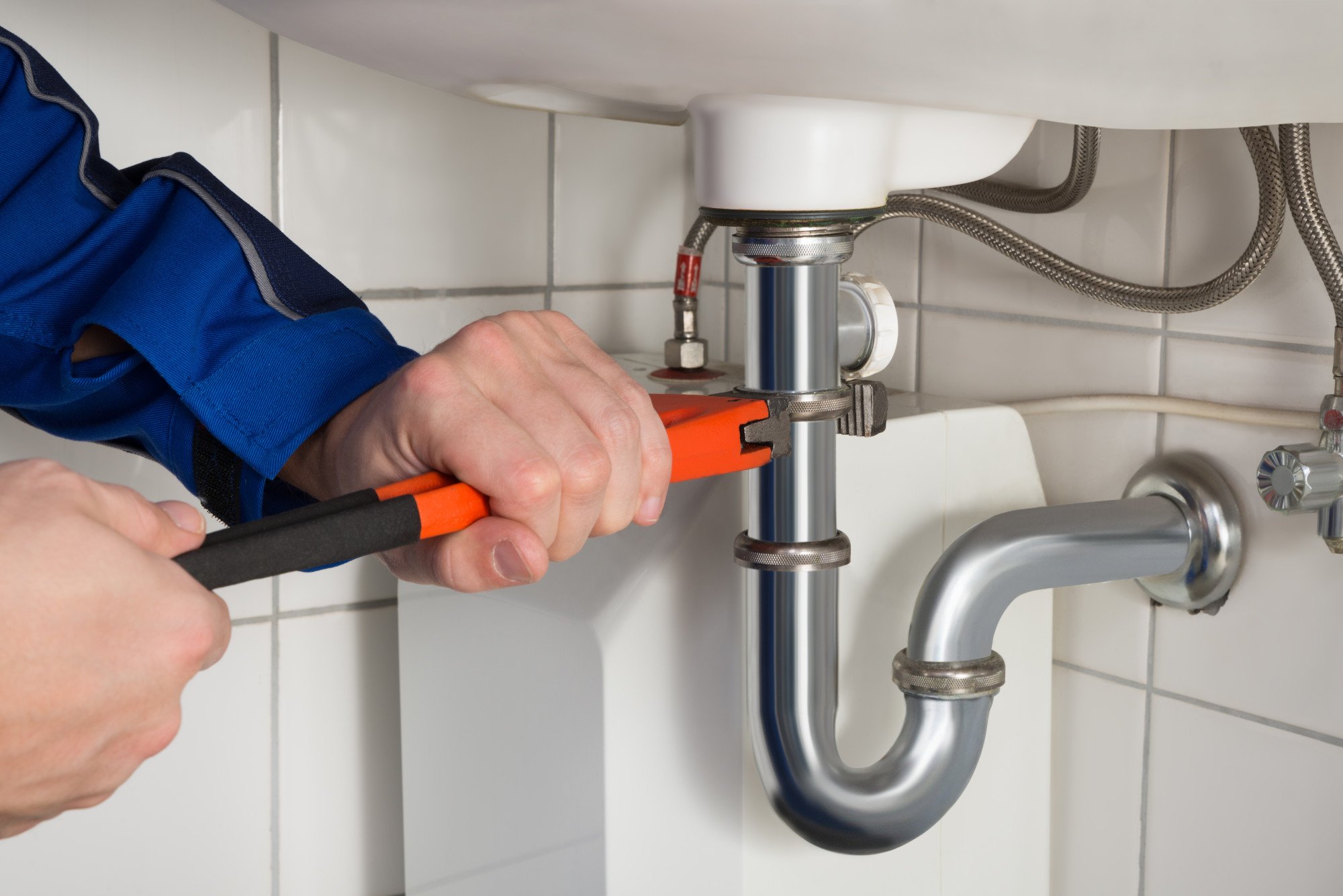
:max_bytes(150000):strip_icc()/how-to-fix-common-plumbing-problems-2718728-04-b4fb5560864240da88577e573b966e0d.jpeg "Plumbing diy repairs")
While some plumbing issues can be addressed with DIY repairs, others require the expertise of a licensed plumber. It’s crucial to recognize the signs and symptoms that indicate a more complex problem, necessitating professional assistance.
Below are some situations where calling a plumber is recommended:
Persistent Leaks
- Leaks that persist or worsen over time, despite attempts at DIY repairs.
- Leaks accompanied by unusual noises, such as hissing or bubbling.
- Leaks originating from hidden pipes or behind walls, as they may indicate underlying structural damage.
Clogged Drains
- Severe clogs that cannot be cleared using common drain cleaning methods.
- Multiple clogged drains in different areas of the house, suggesting a main line blockage.
- Clogs accompanied by foul odors or sewage backup, indicating a serious blockage.
Water Heater Issues
- No hot water or significant fluctuations in water temperature.
- Leaking water heater tank or strange noises coming from the unit.
- Water heater over 10 years old and showing signs of deterioration or reduced efficiency.
Gas Line Problems
- Suspected gas leaks, indicated by a strong gas odor or hissing sounds.
- Damaged or loose gas lines or fittings.
- Installation or relocation of gas appliances that require professional expertise.
Other Complex Issues
- Low water pressure throughout the house or in specific areas.
- Frozen pipes or water lines.
- Sewer line problems, such as sewage backups or slow drainage.
Plumbing Maintenance Tips
To ensure the longevity and optimal performance of your plumbing system, regular maintenance is crucial. This involves proactive measures to prevent problems and extend the lifespan of your pipes, fixtures, and appliances.
Regular Cleaning
Regular cleaning of drains, faucets, and fixtures helps prevent clogs and buildup. Use a drain cleaner or baking soda and vinegar solution to dissolve grease and hair buildup. Clean faucets and fixtures with a mild detergent and a soft cloth to remove dirt and grime.
Inspections
Conduct regular inspections of your plumbing system to identify potential issues early on. Check for leaks under sinks, toilets, and around water heaters. Inspect hoses and pipes for cracks, bulges, or corrosion. If you notice any abnormalities, address them promptly to prevent further damage.
Preventative Measures, How to fix plumbing problems
- To prevent corrosion, install water softeners or use corrosion-resistant materials for pipes and fixtures.
- Insulate pipes in unheated areas to prevent freezing during cold weather.
- Use drain covers to prevent hair and debris from clogging drains.
- Avoid pouring grease or oil down drains, as it can solidify and cause blockages.
Conclusion: How To Fix Plumbing Problems
Congratulations! You’ve now equipped yourself with the essential knowledge and techniques to handle common plumbing issues. Remember, regular maintenance and timely repairs are key to ensuring a trouble-free plumbing system. By following the tips and guidance Artikeld in this guide, you can save time, money, and stress while keeping your home’s plumbing in tip-top shape.
So, the next time a plumbing problem arises, don’t panic! Simply refer to this guide, gather your tools, and tackle it with confidence. Happy plumbing!