How to build insulated dog house – In the realm of pet care, the art of crafting an insulated dog house takes center stage. As winter’s icy grip descends, providing a warm and cozy haven for your furry companion becomes paramount. Embark on this comprehensive journey, where we delve into the intricacies of designing and building an insulated dog house that will ensure your beloved canine enjoys a comfortable and protected sanctuary during the cold season.
With meticulous attention to detail, we’ll explore the optimal materials and insulation options, ensuring your dog house withstands the elements and maintains a consistent temperature. We’ll also guide you through the step-by-step construction process, from assembling the frame to adding the finishing touches, empowering you to create a custom-tailored abode that meets your dog’s specific needs and preferences.
Materials and Insulation Options: How To Build Insulated Dog House

When constructing an insulated dog house, choosing the appropriate materials and insulation is crucial for ensuring your pet’s comfort and well-being. Here’s a comprehensive guide to help you make informed decisions:
Materials for Dog House Construction
- Wood:Durable and versatile, wood is a popular choice for dog houses. Cedar and redwood are naturally resistant to rot and insects, making them ideal for outdoor use. However, wood requires regular maintenance, including sealing and painting, to withstand harsh weather conditions.
- Plastic:Lightweight and easy to clean, plastic dog houses are a low-maintenance option. They are also waterproof and UV-resistant, making them suitable for both indoor and outdoor use. However, plastic can be less durable than other materials and may not provide as much insulation.
- Metal:Strong and durable, metal dog houses offer excellent protection from the elements. They are also fire-resistant and easy to clean. However, metal can become very hot in the sun and cold in the winter, so proper insulation is essential.
Insulation Options for Dog Houses
- Straw:A traditional and affordable insulation material, straw is highly effective in trapping air and providing warmth. However, straw can be susceptible to moisture and mold, requiring regular replacement.
- Foam:Polystyrene or polyurethane foam is lightweight and provides excellent insulation. It is also moisture-resistant and easy to install. However, foam can be flammable and may not be suitable for all climates.
- Fiberglass:A durable and fire-resistant insulation material, fiberglass is often used in combination with other insulation types. It is effective in both cold and warm climates but can be more expensive than other options.
The choice of materials and insulation will depend on your climate, budget, and the size and needs of your dog. Consider the following factors when making your decision:
- Climate:In cold climates, choose materials and insulation that provide maximum warmth and protection from the elements. In warm climates, opt for materials that offer ventilation and moisture resistance.
- Budget:The cost of materials and insulation can vary significantly. Determine your budget and choose options that fit within your financial constraints.
- Dog’s Size and Needs:Consider the size and activity level of your dog when selecting materials and insulation. A large, active dog may require a more durable and spacious dog house with ample insulation.
Design and Construction Considerations
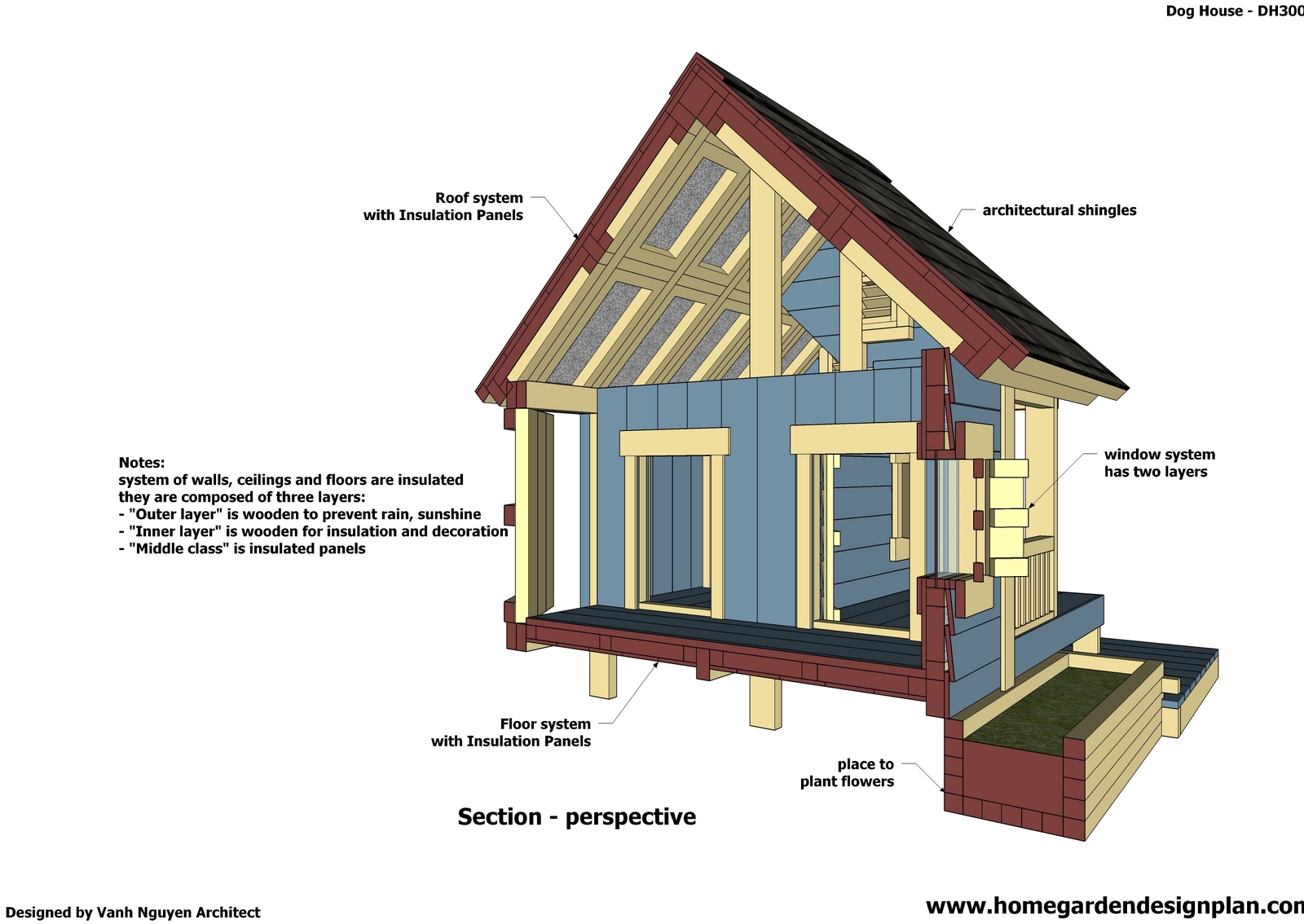
Ensuring the dog house is designed and constructed with the dog’s well-being in mind is paramount. Ventilation, size, shape, and weatherproofing are crucial factors to consider.
Ventilation
Proper ventilation prevents condensation and ensures fresh air circulation. Incorporate ventilation holes or vents near the top and bottom of the house. Avoid placing vents directly opposite each other, as this can create drafts.
Size and Shape
The size and shape of the dog house should accommodate the dog’s breed and climate. Generally, the house should be large enough for the dog to stand up, turn around, and lie down comfortably.
Weatherproofing
To protect the dog from the elements, weatherproof the house using roofing materials, sealants, and weatherstripping. Asphalt shingles, metal roofing, or tar paper can be used for the roof. Seal any gaps around windows, doors, and vents to prevent drafts.
Step-by-Step Building Instructions
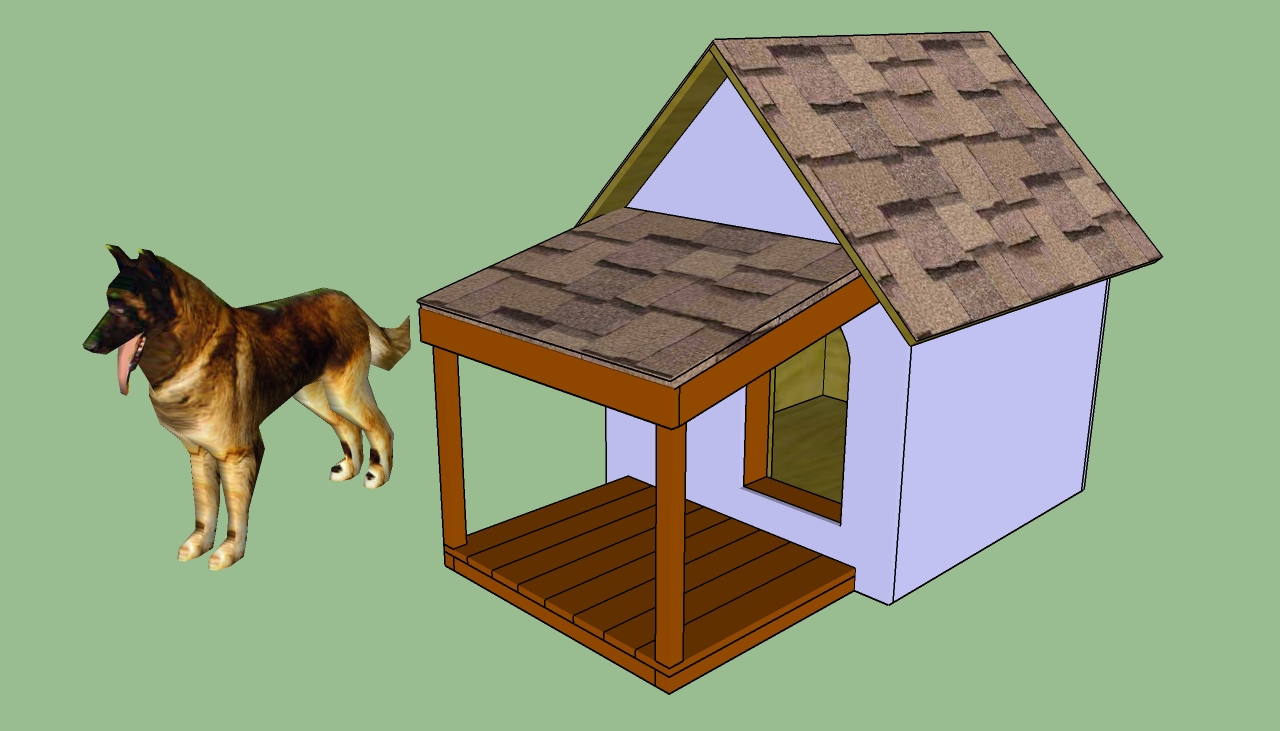
Materials Preparation
Before commencing construction, ensure you have gathered all the necessary materials, including:
- Pressure-treated lumber (2x4s, 2x6s, and 1x4s)
- Insulation (rigid foam, fiberglass batts, or straw bales)
- Plywood or OSB for exterior and interior walls
- Roofing material (asphalt shingles, metal roofing, or wood shakes)
- Door and hinges
- Nails, screws, and wood glue
- Measuring tape, level, and circular saw
Building the Frame
Start by creating the frame for the floor, walls, and roof using the 2x4s and 2x6s.
- Cut the lumber to the desired lengths and assemble the floor frame.
- Erect the walls by attaching the 2x4s to the floor frame.
- Create the roof frame by joining the 2x4s together in a triangular shape.
Installing Insulation
Once the frame is complete, install the insulation to provide warmth and protection from the elements.
- Cut the insulation to fit the walls and roof.
- Secure the insulation in place using staples or adhesive.
- Cover the insulation with a vapor barrier to prevent moisture buildup.
Attaching the Exterior and Interior Walls
Next, attach the exterior and interior walls to the frame.
- Cut the plywood or OSB to the appropriate sizes.
- Nail or screw the exterior walls to the frame.
- Attach the interior walls to the interior of the frame.
Adding a Roof and Door
Finally, complete the dog house by adding a roof and a door.
- Attach the roof frame to the top of the walls.
- Cover the roof with the chosen roofing material.
- Cut an opening for the door and install the door with hinges.
Advanced Techniques and Design Enhancements

Installing a Heating or Cooling System
To provide additional comfort for your furry friend during extreme temperatures, consider installing a heating or cooling system. Electric heaters or radiant floor heating can be used for warmth, while evaporative coolers or air conditioners can provide relief from the heat.
Raised Floor for Better Insulation, How to build insulated dog house
A raised floor can enhance insulation by creating an air gap between the floor and the ground, reducing heat loss and moisture penetration. This is particularly beneficial in colder climates or areas with damp soil.
Decorative Elements to Match the Owner’s Style
Incorporate decorative elements to match your home’s style and make the dog house an extension of your living space. This can include painting the exterior, adding decorative trim, or using unique roofing materials to complement the aesthetics of your home.
Outcome Summary
As you complete your insulated dog house, a sense of accomplishment will wash over you. Not only have you provided your furry friend with a warm and secure retreat, but you’ve also deepened the bond between you and your canine companion.
May this guide serve as a testament to your love and dedication, ensuring your dog enjoys a comfortable and cozy haven for many winters to come.