How to attract bird to feeder – How to attract birds to your feeder is a question that many bird enthusiasts ponder. By understanding their preferences and creating an inviting environment, you can turn your backyard into a haven for these delightful creatures.
From selecting the right feeder and offering enticing birdseed to creating a welcoming environment and maintaining the feeder, this guide will provide you with all the necessary tips and tricks to attract a variety of bird species to your backyard oasis.
Selecting the Right Bird Feeder: How To Attract Bird To Feeder
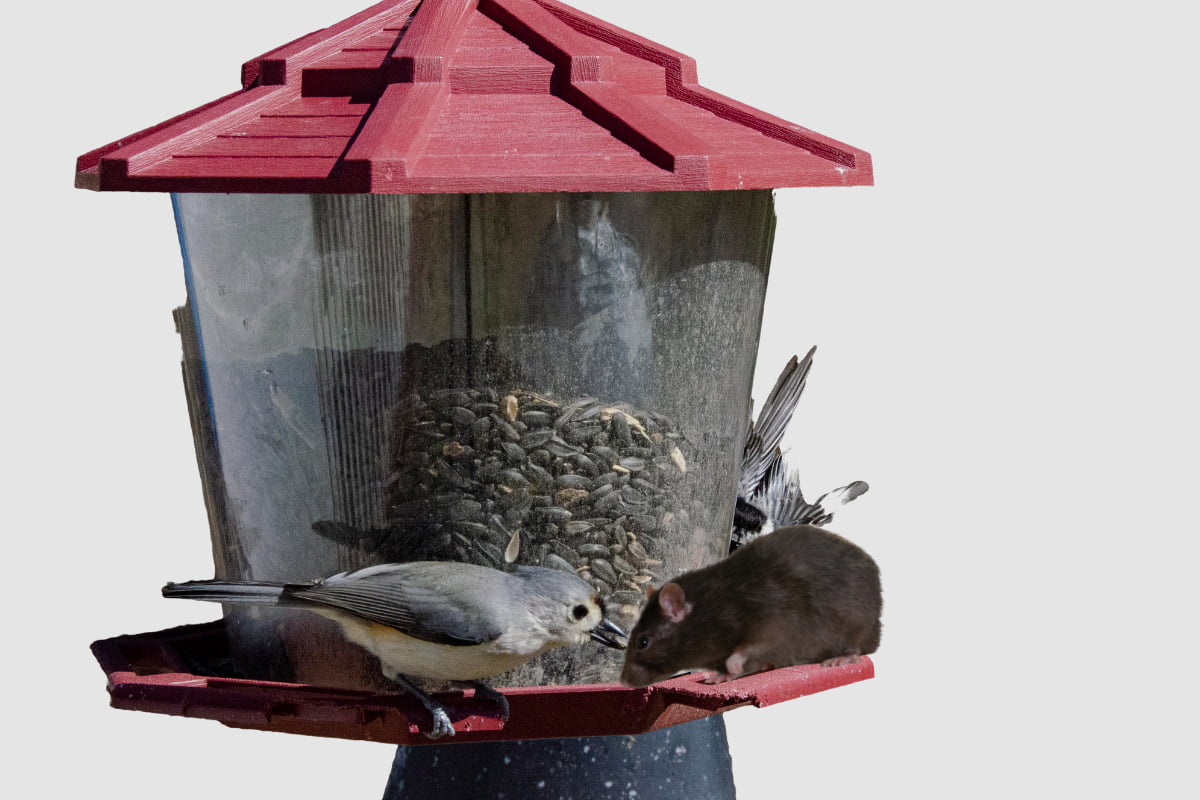
Bird feeders come in various designs, each suitable for different bird species. Choosing the right feeder depends on the types of birds you want to attract.
Types of Bird Feeders
- Hopper feeders:These are the most common type of feeder, with a large hopper that holds the seed. They are suitable for a wide variety of birds, including cardinals, chickadees, and sparrows.
- Tube feeders:These feeders have a long, narrow tube that holds the seed. They are best for small birds, such as finches and chickadees, which can easily cling to the perches.
- Platform feeders:These feeders are flat platforms that hold the seed. They are suitable for larger birds, such as doves and woodpeckers, which need a larger surface area to land on.
- Suet feeders:These feeders hold suet, a high-energy food that is especially popular with woodpeckers and other insect-eating birds.
- Nectar feeders:These feeders hold nectar, a sugar solution that is loved by hummingbirds.
Choosing the Best Location for the Feeder
The location of your bird feeder is also important. Consider the following factors:
- Visibility:The feeder should be visible to birds from a distance. Place it in an open area, away from trees or other obstructions.
- Shelter:The feeder should provide some shelter from the elements. Place it under a tree or awning, or near a bush.
- Proximity to natural food sources:Birds are more likely to visit a feeder that is located near natural food sources, such as trees, shrubs, and flowers.
By choosing the right bird feeder and placing it in the best location, you can attract a variety of birds to your yard and enjoy their beauty and songs.
Offering Enticing Birdseed

Enticing birdseed is the key to attracting a diverse array of feathered friends to your feeder. Different bird species have unique preferences, so offering a variety of seeds is essential. Moreover, the quality and freshness of the seed play a crucial role in attracting birds and maintaining their health.
Types of Birdseed
- Black Oil Sunflower Seeds:Rich in oil and protein, these are a favorite of many bird species, including cardinals, chickadees, and titmice.
- Striped Sunflower Seeds:Smaller and less oily than black oil seeds, these are preferred by smaller birds like goldfinches and siskins.
- Safflower Seeds:High in oil and protein, these are attractive to cardinals, house finches, and grosbeaks.
- Nyjer Seeds:Also known as thistle seeds, these are tiny and oil-rich, making them ideal for attracting goldfinches and other small birds.
- White Proso Millet:A small, round seed preferred by ground-feeding birds like sparrows and doves.
Seed Quality and Storage
The quality of the birdseed is paramount. Choose seeds that are free from mold, dust, and insects. Store birdseed in a cool, dry place in an airtight container to maintain its freshness and prevent spoilage.
Mixing Birdseed
Mixing different types of seed creates a diverse blend that appeals to a wider range of birds. Start with a base of black oil sunflower seeds and add smaller amounts of other seeds based on the species you wish to attract.
Experiment with different combinations to find the blend that works best for your location.
Creating a Welcoming Environment

Beyond providing a reliable food source, creating a welcoming environment for birds around your feeder is crucial for attracting and retaining a diverse range of avian visitors. This involves offering water, shelter, and a bird-friendly landscape that meets their needs.
Providing Water
Access to fresh water is essential for birds, especially during hot and dry seasons. A shallow birdbath or water dish placed near the feeder will provide a vital resource for drinking, bathing, and preening.
Offering Shelter
Birds seek shelter from predators, inclement weather, and extreme temperatures. Planting native trees and shrubs around the feeder area provides natural hiding places and nesting sites. Alternatively, consider installing birdhouses or nest boxes designed specifically for different bird species.
Creating a Bird-Friendly Landscape, How to attract bird to feeder
Native plants and shrubs not only provide shelter but also offer a natural food source for birds. Berries, seeds, and insects attract a variety of species. Avoid using pesticides and herbicides, as these chemicals can harm birds and their food sources.
Minimizing Disturbance
Birds are easily spooked by loud noises, sudden movements, and potential predators. Place the feeder in a quiet location away from busy areas and keep pets indoors. Avoid using shiny or reflective materials near the feeder, as these can deter birds.
Maintaining the Feeder
To ensure your bird feeder remains a haven for feathered visitors, regular cleaning and maintenance are essential. By preventing mold, bacteria, and disease, you create a safe and healthy environment for the birds that rely on your feeder.
Refilling the Feeder
Consistency is key when it comes to refilling your bird feeder. Keep it well-stocked to ensure a reliable food source for your avian guests. By maintaining a steady supply of birdseed, you encourage birds to return to your feeder regularly, fostering a thriving bird community in your backyard.
Seasonal Adjustments
Consider seasonal adjustments to your bird feeder to accommodate the changing needs of birds throughout the year. In cold weather, heated feeders provide warmth and comfort, allowing birds to conserve energy. During warmer months, insect-repelling birdseed helps deter pests and keep your feeder clean and inviting.
End of Discussion
By following these simple steps, you can create a bird-friendly haven in your own backyard, where you can enjoy the beauty and companionship of these fascinating creatures for years to come.