Commercial plumbing and heating systems play a crucial role in ensuring the smooth operation and occupant comfort of commercial buildings. This article delves into the importance of regular maintenance, optimization strategies, emergency preparedness, and successful project case studies in commercial plumbing and heating.
By addressing these aspects, businesses can enhance the efficiency, reliability, and overall performance of their plumbing and heating systems, leading to reduced downtime, improved productivity, and a more comfortable work environment.
Commercial Plumbing System Maintenance
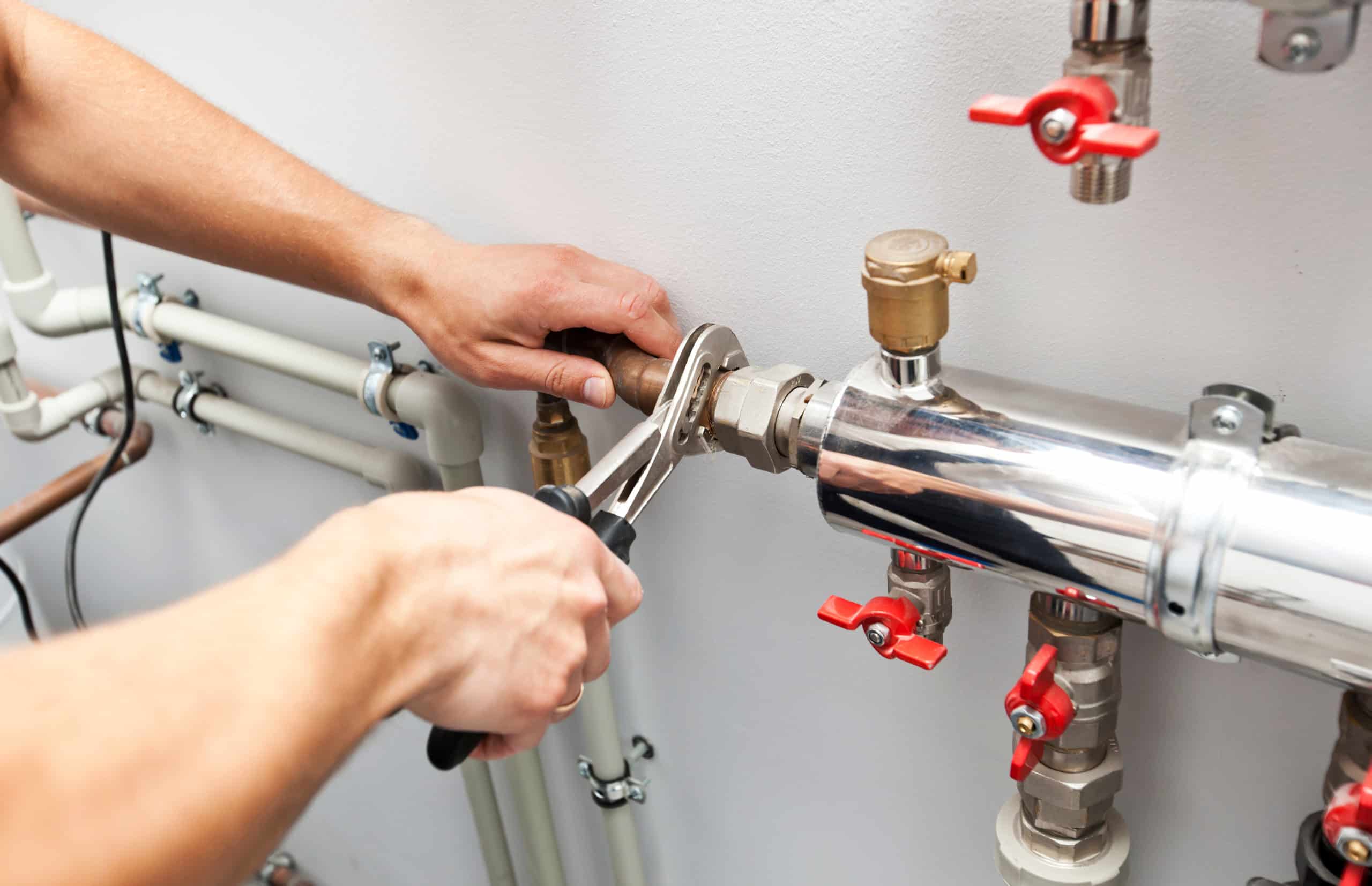
Maintaining a commercial plumbing system is crucial for the smooth operation of any business. Regular maintenance can prevent costly repairs, reduce downtime, and improve the efficiency of the system. By implementing a preventative maintenance program, businesses can ensure that their plumbing systems are functioning optimally and avoid unexpected disruptions.
Benefits of Preventative Maintenance
- Reduced downtime: Regular maintenance can identify and address potential issues before they become major problems, minimizing the risk of unexpected breakdowns and costly repairs.
- Improved efficiency: A well-maintained plumbing system operates more efficiently, reducing water and energy consumption, and lowering operating costs.
- Increased lifespan: Regular maintenance extends the lifespan of plumbing fixtures and equipment, reducing the need for costly replacements.
Routine Plumbing Maintenance Tasks
A comprehensive plumbing maintenance program should include the following routine tasks:
- Inspect pipes and fixtures for leaks, corrosion, or damage.
- Clean and descale faucets, showerheads, and drains to prevent clogs and buildup.
- Check water pressure and adjust as necessary.
- Inspect and clean sump pumps and backflow preventers.
- Test and flush toilets and urinals to ensure proper operation.
- Monitor water usage and identify any unusual spikes or drops.
Heating System Optimization for Commercial Buildings

Commercial buildings often rely on complex heating systems to maintain comfortable indoor temperatures. Optimizing these systems is crucial for ensuring energy efficiency and reducing operating costs.
Types of Heating Systems
Commercial buildings commonly use various heating systems, including:
-
-*Centralized Systems
Boilers or furnaces generate heat, which is distributed throughout the building via pipes or ducts.
-*Decentralized Systems
Individual heating units, such as heat pumps or electric heaters, provide heat directly to specific areas.
-*Radiant Systems
Heat is emitted through surfaces, such as floors or ceilings, providing even and comfortable warmth.
Energy-Efficient Strategies
Energy-efficient heating strategies include:
-
-*Zoning
Dividing the building into separate heating zones allows for targeted temperature control, reducing energy waste.
-*Temperature Control
Setting thermostats to optimal temperatures and utilizing programmable thermostats can significantly reduce energy consumption.
-*Maintenance
Regular maintenance ensures efficient system operation, prevents breakdowns, and extends equipment lifespan.
Tips for Optimization
-
-*Insulate Properly
Adequate insulation minimizes heat loss and reduces energy consumption.
-*Use Energy-Efficient Equipment
Choosing high-efficiency heating units can significantly reduce operating costs.
-*Control Airflow
Balancing airflow and ensuring proper ventilation prevents heat loss and improves comfort.
-*Monitor and Analyze
Regularly monitoring energy consumption and system performance allows for timely adjustments and optimizations.
Emergency Plumbing and Heating Services for Commercial Properties
Commercial properties require reliable plumbing and heating systems to ensure uninterrupted operations. However, emergencies can arise at any moment, disrupting business activities and potentially causing significant financial losses.
Having a robust emergency response plan in place is crucial for minimizing downtime and protecting your investment. This plan should Artikel the procedures for handling plumbing and heating emergencies, including:
Identifying Emergency Situations
- Burst pipes or leaks causing extensive water damage
- Clogged drains or sewage backups posing health hazards
- Malfunctioning heating systems leading to uncomfortable or unsafe indoor temperatures
- Electrical issues or gas leaks creating safety risks
Establishing a Response Plan
- Establish a 24/7 emergency hotline for immediate assistance
- Maintain a list of reputable emergency plumbing and heating service providers
- Train staff on emergency procedures and evacuation protocols
- Conduct regular maintenance and inspections to minimize the risk of emergencies
Reputable Emergency Service Providers, Commercial plumbing and heating
- [List of reputable emergency plumbing and heating service providers]
Case Studies of Successful Commercial Plumbing and Heating Projects
To demonstrate the effectiveness of our commercial plumbing and heating services, we present case studies showcasing successful projects. These projects exemplify the challenges we encountered, the solutions we implemented, and the tangible benefits achieved.
Plumbing System Upgrade in a High-Rise Office Building
Challenge:An aging plumbing system in a high-rise office building led to frequent leaks, pressure fluctuations, and occupant discomfort. The building’s outdated fixtures and pipes required a comprehensive upgrade.
Solution:We conducted a thorough assessment of the plumbing system and designed a tailored solution. We replaced aging pipes with modern, corrosion-resistant materials, installed energy-efficient fixtures, and implemented a state-of-the-art water management system. This comprehensive approach addressed the building’s plumbing challenges.
Benefits:The upgraded plumbing system significantly reduced water consumption, lowered maintenance costs, and enhanced occupant comfort. The building now enjoys a reliable and efficient plumbing infrastructure.
Closure
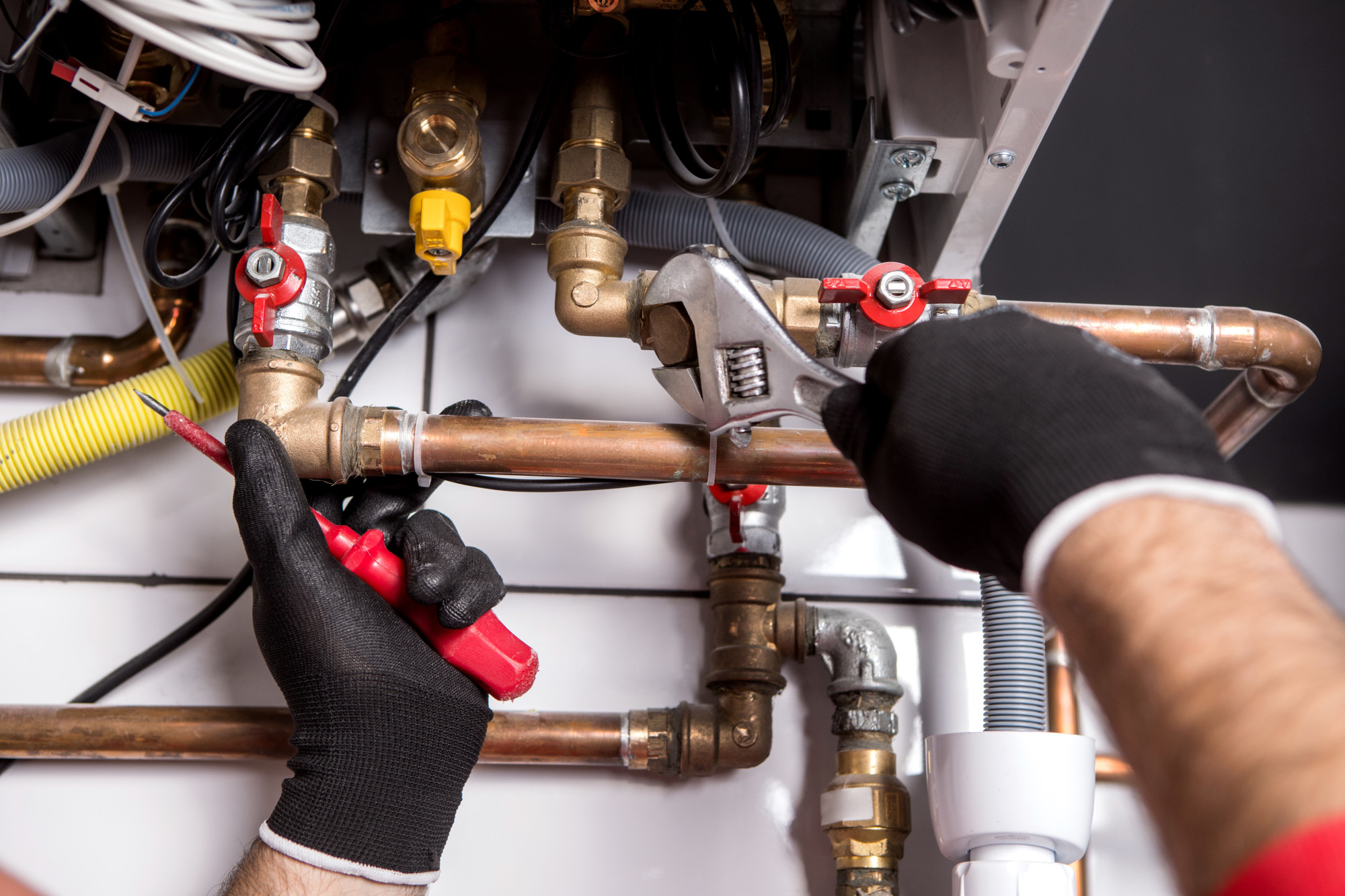
In conclusion, commercial plumbing and heating systems are essential components of any commercial building. By implementing proactive maintenance, optimizing energy efficiency, and having a robust emergency response plan in place, businesses can ensure the longevity and reliability of these systems, ultimately contributing to a more efficient, comfortable, and productive work environment.