Build your own backyard fire pit – Dive into the world of backyard fire pits and unlock the secrets of creating a cozy and captivating outdoor gathering space. Whether you’re a seasoned fire pit enthusiast or a novice seeking to ignite your backyard, this comprehensive guide will guide you through every step, from site selection to fire maintenance.
From choosing the perfect location to designing a fire pit that complements your backyard aesthetic, we’ll cover all the essential aspects to ensure a safe and enjoyable fireside experience.
Site Selection and Preparation
Selecting the right location for your fire pit is crucial for safety and enjoyment. Consider factors like proximity to structures, vegetation, and drainage.
Prepare the site by clearing vegetation within a safe radius, leveling the ground for stability, and creating a fire-resistant base using materials like gravel or sand.
Fire-Resistant Base
A fire-resistant base prevents embers from spreading and protects the ground from heat damage. Gravel, sand, or fire bricks are commonly used for this purpose.
- Gravel: Provides good drainage and is easy to maintain.
- Sand: Affordable and readily available, but requires frequent replenishment due to wind.
- Fire bricks: Durable and heat-resistant, but more expensive.
Fire Pit Design and Construction
Creating a backyard fire pit involves selecting the appropriate design and materials to ensure both functionality and aesthetic appeal. Different types of fire pits, including in-ground, above-ground, and portable options, cater to various needs and preferences.
For a classic and permanent addition to your outdoor space, consider constructing an in-ground fire pit. This type of fire pit provides a cozy and inviting ambiance while blending seamlessly into the surrounding landscape.
In-Ground Fire Pit Construction
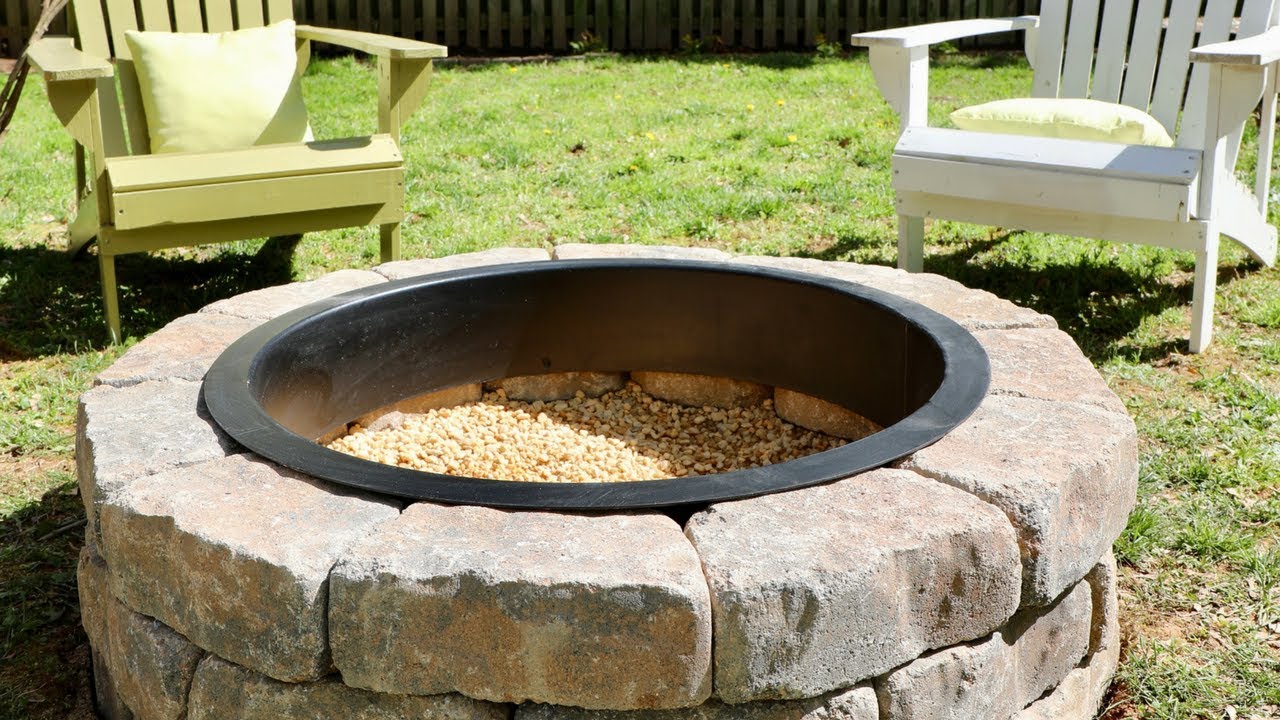
- Materials:Bricks, pavers, or natural stones are commonly used materials for constructing in-ground fire pits. Choose materials that are fire-resistant and durable.
- Design:Determine the desired size and shape of your fire pit. A circular or square shape is popular, but you can customize it to fit your preferences.
- Excavation:Dig a hole in the ground to the desired depth and width. Ensure the hole is level and has a slight slope towards the center for drainage.
- Base Layer:Lay a layer of gravel or sand at the bottom of the hole to provide a stable base for the fire pit.
- Fire Pit Wall:Arrange the bricks, pavers, or stones around the perimeter of the hole to form the walls of the fire pit. Secure them together using mortar or adhesive.
- Fire Ring:Place a fire ring inside the fire pit to contain the fire and prevent embers from escaping.
- Fire Pit Cap:If desired, you can add a fire pit cap or cover to protect the fire pit from the elements when not in use.
When designing your fire pit, consider the following tips to enhance its functionality and aesthetics:
- Wind Protection:Position the fire pit in an area sheltered from strong winds to prevent smoke and embers from blowing away.
- Seating Arrangement:Plan the seating arrangement around the fire pit to ensure comfortable and safe gathering.
- Firewood Storage:Designate a nearby area for firewood storage to keep it dry and accessible.
- Lighting:Install outdoor lighting near the fire pit to illuminate the area for evening gatherings.
- Decorative Elements:Enhance the aesthetic appeal of the fire pit by adding decorative elements such as fire glass, lava rocks, or ceramic logs.
Firewood Selection and Management: Build Your Own Backyard Fire Pit
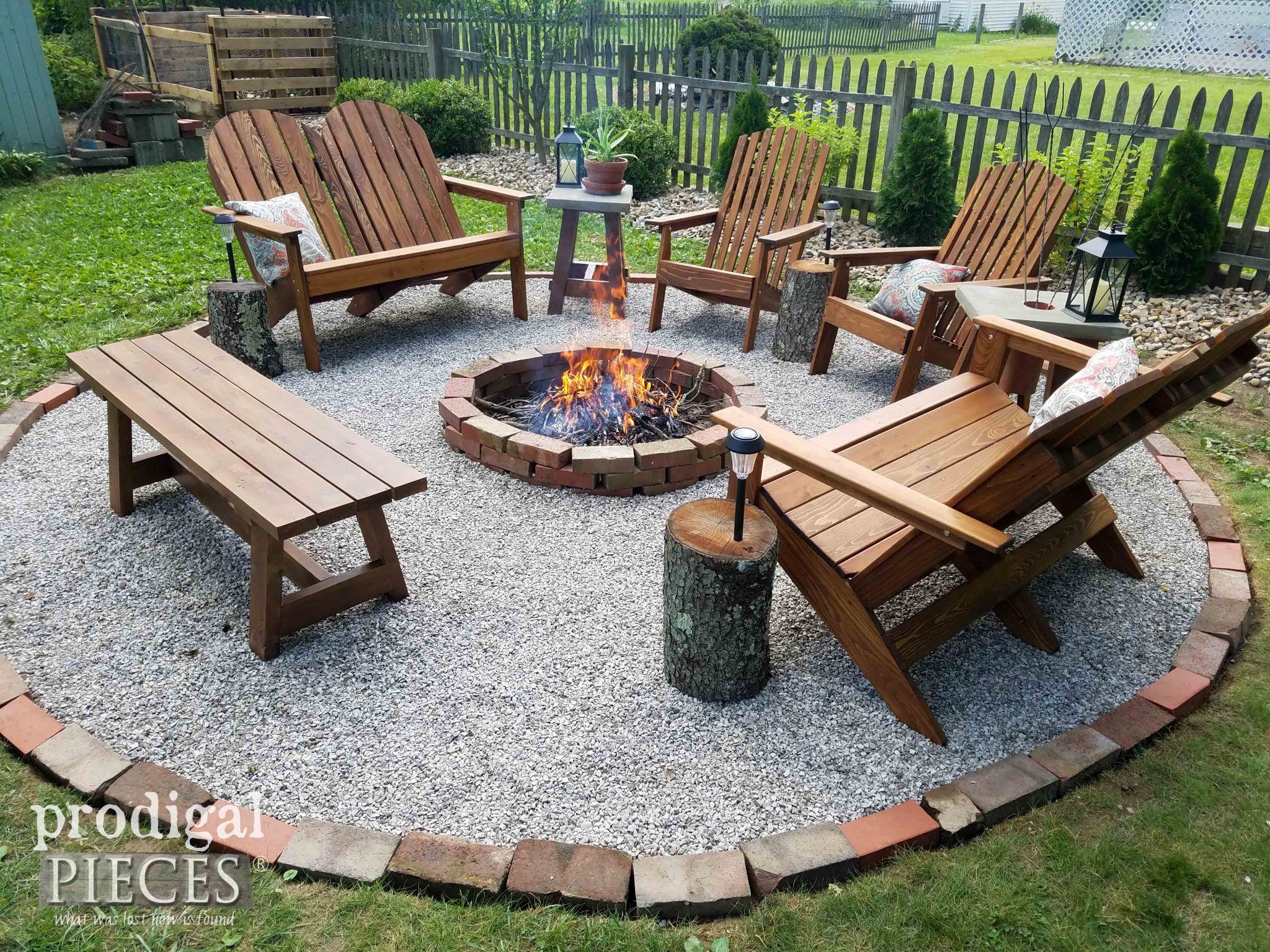
Firewood selection and management are crucial for a successful and enjoyable backyard fire pit experience. Different types of firewood have unique burning characteristics, and proper seasoning and storage ensure a clean and efficient burn.
Firewood Types, Build your own backyard fire pit
Hardwoods, such as oak, maple, and birch, burn slowly and produce long-lasting heat. Softwoods, like pine and cedar, ignite quickly but burn faster. Consider a mix of hardwoods and softwoods for an optimal burn.
Seasoning and Storage
Seasoning removes moisture from firewood, making it burn more efficiently. Split and stack firewood in a dry, well-ventilated area for at least six months before burning.
Building a Fire
To build a fire that burns evenly and safely:
- Create a base of crumpled newspaper or dry tinder.
- Arrange kindling in a teepee shape over the tinder.
- Add small logs around the kindling, gradually increasing their size.
- Light the tinder and allow the fire to establish before adding larger logs.
Safety Precautions and Fire Maintenance
Backyard fire pits offer a delightful ambiance, but safety should always be the top priority. To prevent accidents and ensure responsible fire management, follow these essential guidelines.
Extinguishing a Fire
Never leave a fire unattended. Before leaving, extinguish it thoroughly using water or sand. Stir the ashes and embers until they are completely cool to the touch.
Ash Disposal
Dispose of ashes properly to avoid the risk of embers rekindling. Spread the ashes thinly over a non-combustible surface, such as a gravel bed or metal container. Keep them away from flammable materials.
Legal Regulations
Check local regulations and obtain necessary permits before building a fire pit. Some areas may have restrictions on the size, location, and use of fire pits. Contact your local fire department or building inspector for specific requirements.
Final Conclusion
As you embark on your fire pit journey, remember to prioritize safety, follow regulations, and embrace the art of fireside gatherings. With the knowledge gained from this guide, you’ll be well-equipped to build a backyard fire pit that becomes the heart of your outdoor space, creating countless memories and moments of warmth and joy.