
Residential and commercial plumbing systems are the backbone of any building, ensuring the proper functioning of water supply, drainage, and sanitation. Understanding the unique requirements and challenges of both residential and commercial plumbing is crucial for maintaining efficient and safe plumbing systems.
This comprehensive guide delves into the intricacies of residential and commercial plumbing, providing a detailed overview of components, functions, common issues, and maintenance practices. By exploring the key differences and similarities between these two types of plumbing systems, you will gain a thorough understanding of the plumbing infrastructure that supports our daily lives.
Residential Plumbing Systems

Residential plumbing systems are intricate networks that provide water and drainage for homes and apartments. Understanding the components, functions, and common issues associated with these systems is essential for maintaining a comfortable and safe living environment.
Components of a Residential Plumbing System
A residential plumbing system consists of several key components, each playing a specific role:
- Water Source:The water source can be a municipal water supply, a well, or a rainwater harvesting system.
- Water Heater:Water heaters heat water for showers, baths, sinks, and other appliances.
- Pipes:Pipes distribute water throughout the home and carry wastewater away.
- Fixtures:Fixtures, such as sinks, toilets, showers, and faucets, provide access to water and facilitate drainage.
- Drainage System:The drainage system removes wastewater from the home through drains, traps, and sewer lines.
Types of Pipes, Fixtures, and Appliances
Residential plumbing systems utilize various types of pipes, fixtures, and appliances:
- Pipes:Common pipe materials include copper, PVC, PEX, and CPVC, each with its advantages and disadvantages.
- Fixtures:Fixtures come in a wide range of styles and materials, such as ceramic, porcelain, and stainless steel.
- Appliances:Water-using appliances include dishwashers, washing machines, and garbage disposals, which require specific plumbing connections.
Common Plumbing Issues and Solutions
Residential plumbing systems can experience various issues, including:
- Leaks:Leaks can occur in pipes, fixtures, or appliances and can lead to water damage and increased water bills.
- Clogs:Clogs in drains or sewer lines can prevent proper drainage and cause backups.
- Frozen Pipes:In cold climates, pipes can freeze and burst, leading to extensive damage.
- Water Pressure Problems:Low or high water pressure can affect the performance of fixtures and appliances.
Addressing these issues promptly is crucial to prevent further damage and ensure a well-functioning plumbing system.
Commercial Plumbing Systems
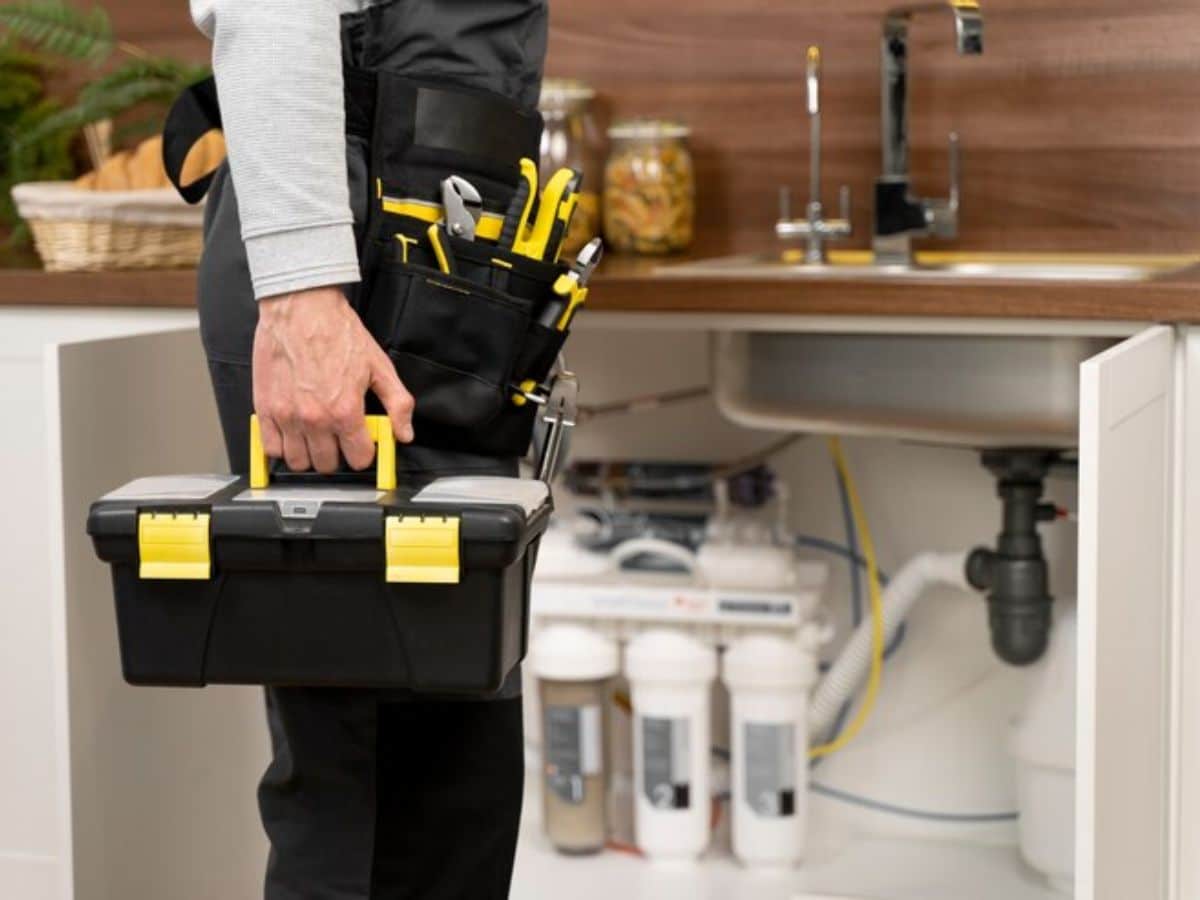
Commercial plumbing systems are more complex and demanding than residential systems, catering to the unique needs of various commercial establishments. They involve intricate designs, specialized fixtures, and adherence to stringent regulations to ensure efficient and uninterrupted water flow, waste disposal, and overall sanitation.
The challenges in designing and maintaining commercial plumbing systems stem from the sheer scale and diversity of commercial buildings. These systems must accommodate higher water usage, handle specialized equipment, and comply with industry-specific regulations. Moreover, they require meticulous planning to minimize disruptions and ensure seamless operation.
Specific Plumbing Requirements for Different Types of Commercial Buildings, Residential and commercial plumbing
Commercial plumbing systems vary significantly based on the type of building they serve. Some key considerations include:
- Offices:Require reliable water supply, efficient drainage, and proper ventilation to maintain a comfortable and productive work environment.
- Hospitals:Demand highly specialized plumbing systems that adhere to strict hygiene and safety standards, including medical gas piping, sterile water systems, and specialized fixtures for medical procedures.
- Restaurants:Need plumbing systems designed to handle high-volume water usage, grease disposal, and specialized equipment like dishwashers and ice makers, while maintaining sanitary conditions.
Plumbing Codes and Regulations
Plumbing codes and regulations are crucial for ensuring the safety, health, and functionality of both residential and commercial buildings. They establish minimum standards for the design, installation, and maintenance of plumbing systems to protect public health and prevent property damage.
Key requirements and standards in plumbing codes include:
- Proper sizing and installation of pipes and fixtures
- Adequate ventilation and drainage
- Protection against backflow and cross-contamination
- Use of approved materials and fixtures
Role of Plumbing Inspectors
Plumbing inspectors play a vital role in ensuring compliance with plumbing codes and regulations. They inspect plumbing systems during construction, remodeling, and repairs to verify that they meet the required standards. Inspectors also investigate plumbing-related complaints and issue citations for violations.
Plumbing Maintenance and Repair
Maintaining and repairing plumbing systems is crucial for ensuring the smooth functioning and longevity of both residential and commercial properties. Regular inspections and timely repairs can prevent costly breakdowns, ensuring a safe and comfortable living or working environment.
This guide provides comprehensive instructions for common plumbing tasks, emphasizing the importance of regular inspections and maintenance to prevent costly repairs.
Unclogging Drains
Clogged drains are a common plumbing issue that can be easily resolved with proper maintenance. Here are some effective methods for unclogging drains:
- Plunger:Use a plunger to create suction and dislodge the clog.
- Drain Snake:Insert a drain snake into the drain and manually remove the clog.
- Baking Soda and Vinegar:Pour 1/2 cup of baking soda down the drain, followed by 1/2 cup of vinegar. Let it sit for 30 minutes, then flush with hot water.
- Chemical Drain Cleaner:Use chemical drain cleaners according to the manufacturer’s instructions, but avoid excessive use as they can damage pipes.
Fixing Leaks
Leaks can waste water and lead to costly repairs if not addressed promptly. Here are some steps to fix common leaks:
- Faucet Leaks:Replace the worn-out washer or O-ring.
- Toilet Leaks:Check the flapper valve and replace it if necessary.
- Pipe Leaks:Identify the leak and repair it using a pipe repair kit or by calling a plumber.
- Water Heater Leaks:Call a plumber to inspect and repair the water heater.
Replacing Fixtures
Replacing plumbing fixtures is a common task that can update the look and functionality of your bathroom or kitchen. Here are some tips for replacing fixtures:
- Faucet Replacement:Shut off the water supply, disconnect the old faucet, and install the new one.
- Toilet Replacement:Shut off the water supply, disconnect the old toilet, and install the new one.
- Showerhead Replacement:Remove the old showerhead and install the new one.
- Sink Replacement:Disconnect the old sink, remove it, and install the new one.
Importance of Regular Plumbing Inspections and Maintenance
Regular plumbing inspections and maintenance are essential for preventing costly repairs and ensuring the longevity of your plumbing system. Here are some benefits of regular inspections:
- Early Detection of Problems:Inspections can identify potential issues before they become major problems.
- Cost Savings:Addressing minor issues early on can prevent costly repairs in the future.
- Improved Efficiency:Regular maintenance ensures that your plumbing system operates efficiently, reducing water and energy consumption.
- Peace of Mind:Knowing that your plumbing system is in good condition provides peace of mind.
End of Discussion: Residential And Commercial Plumbing
Whether you are a homeowner, business owner, or plumbing professional, this guide serves as an invaluable resource for navigating the complexities of residential and commercial plumbing. By adhering to plumbing codes and regulations, performing regular maintenance, and seeking professional assistance when needed, you can ensure the longevity and efficiency of your plumbing systems for years to come.
Remember, a well-maintained plumbing system is not just a convenience but a necessity for health, safety, and the overall well-being of any building.
