Welcome to the world of industrial shelving storage, where organization meets efficiency. Dive into this comprehensive guide to discover the intricacies of designing, selecting, and utilizing industrial shelving systems that will transform your storage operations. From materials and construction to accessories and applications, we’ve got you covered.
Whether you’re navigating the complexities of a manufacturing facility, managing a bustling warehouse, or streamlining your retail space, industrial shelving storage plays a pivotal role in optimizing space, enhancing productivity, and ensuring the smooth flow of operations. Join us as we delve into the essential elements of industrial shelving storage, empowering you to make informed decisions and create a storage solution that exceeds your expectations.
Industrial Shelving Storage: Design and Configuration

Industrial shelving storage systems are designed to meet the unique needs of industrial environments, providing efficient and organized storage solutions for a wide range of materials and products. These systems offer various configurations and features to accommodate specific requirements, ensuring optimal space utilization and efficient material handling.
Types of Industrial Shelving Storage Systems
Industrial shelving storage systems come in various types, each with its own advantages and applications:
- Cantilever Racking:Ideal for storing long and bulky items like pipes, bars, and lumber, with arms extending from a single upright.
- Selective Pallet Racking:Designed for storing palletized goods, with adjustable beams that allow for flexibility in accommodating different pallet sizes.
- Drive-In Racking:High-density storage solution where forklifts drive into the racking system to access pallets, maximizing space utilization.
- Push-Back Racking:Similar to drive-in racking, but with carts that slide on rails, allowing for first-in, last-out (FILO) inventory management.
- Flow Racking:Gravity-fed system where products are loaded from one end and flow down to the other end, ensuring FIFO inventory management.
Factors to Consider When Designing an Industrial Shelving Storage System
When designing an industrial shelving storage system, several factors need to be considered to ensure optimal functionality and efficiency:
- Weight Capacity:Determine the maximum weight that the shelves and uprights can support, considering the weight of the stored products and any potential dynamic loads.
- Product Dimensions:Measure the dimensions of the products to be stored, including height, width, and depth, to ensure compatibility with the chosen shelving system.
- Accessibility:Consider the accessibility requirements for retrieving and storing products, ensuring sufficient aisle space and clear access to all shelves.
- Vertical Space Utilization:Maximize vertical space by utilizing multi-level shelving or mezzanines, especially in areas with limited floor space.
- Safety Regulations:Adhere to all applicable safety regulations, including those related to load capacity, seismic stability, and fire protection.
Configuring an Industrial Shelving Storage System for Optimal Space Utilization and Efficiency
To configure an industrial shelving storage system for optimal space utilization and efficiency, follow these guidelines:
- Plan the Layout:Plan the layout of the storage system, considering the flow of materials, accessibility, and the location of loading and unloading areas.
- Choose the Right Shelving Type:Select the most appropriate shelving type based on the weight capacity, product dimensions, and accessibility requirements.
- Maximize Vertical Space:Utilize vertical space by stacking shelves or installing mezzanines, ensuring optimal storage capacity without compromising accessibility.
- Optimize Aisle Space:Determine the appropriate aisle width based on the type of equipment used for material handling, ensuring efficient movement and safe operation.
- Consider Future Expansion:Plan for future expansion by designing the storage system with flexibility in mind, allowing for easy addition or reconfiguration of shelves.
Materials and Construction of Industrial Shelving Storage
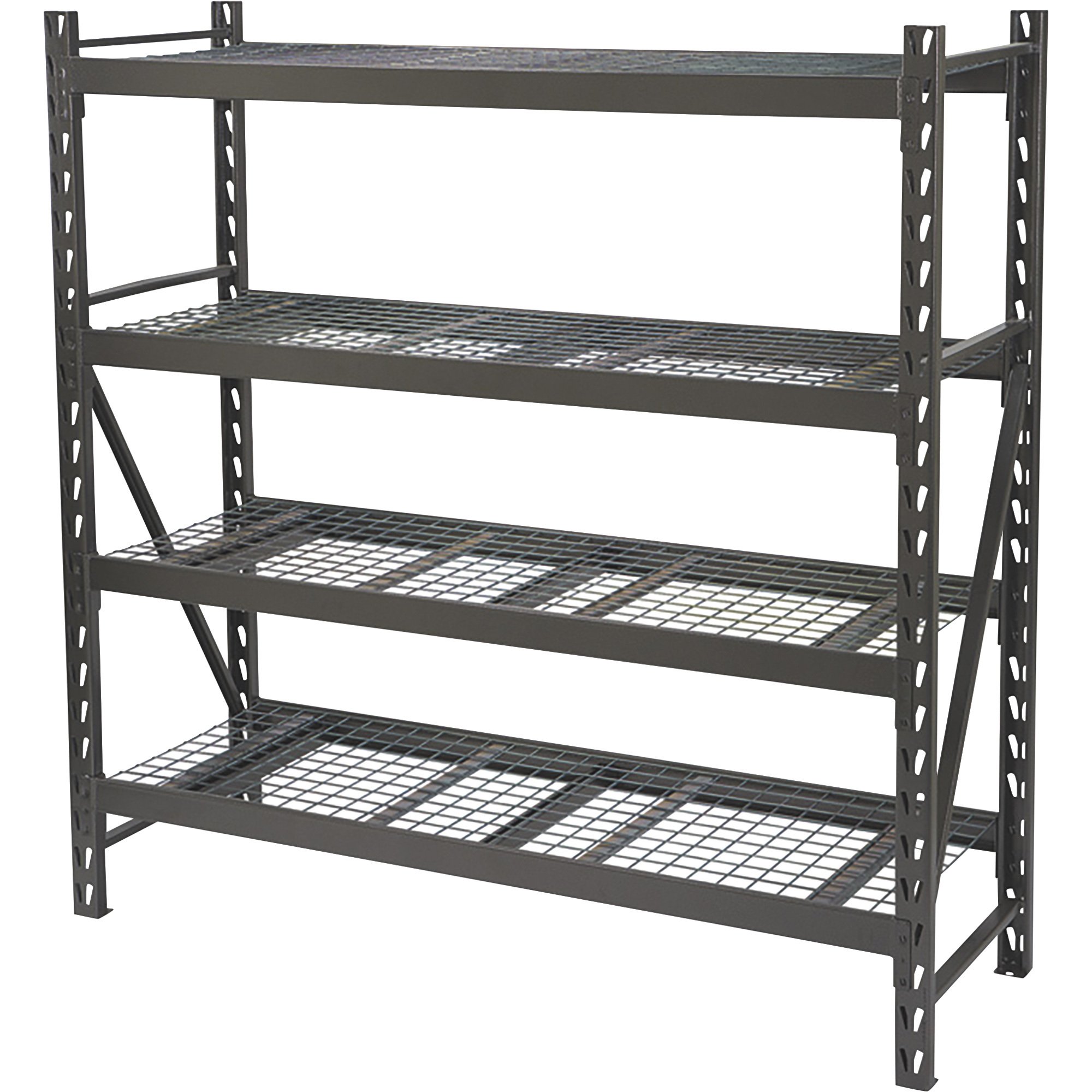
The construction of industrial shelving storage systems involves the use of various materials, each offering unique advantages and disadvantages. The choice of material depends on factors such as the intended application, load capacity requirements, and environmental conditions.
Materials Used in Industrial Shelving Storage
The most common materials used in the construction of industrial shelving storage systems include:
- Steel:Steel is a durable and strong material that can withstand heavy loads. It is resistant to corrosion and wear, making it suitable for harsh industrial environments. However, steel is relatively heavy and can be more expensive than other materials.
- Aluminum:Aluminum is a lightweight and corrosion-resistant material. It is often used in applications where weight is a concern, such as mobile shelving systems. However, aluminum is not as strong as steel and may not be suitable for heavy-duty applications.
- Plastic:Plastic is a lightweight and affordable material. It is resistant to corrosion and chemicals, making it suitable for use in food and beverage storage applications. However, plastic is not as strong as steel or aluminum and may not be suitable for heavy-duty applications.
Durability and Corrosion Resistance, Industrial shelving storage
Durability and corrosion resistance are important factors to consider when choosing industrial shelving storage systems. The material should be able to withstand the weight of the stored items and resist corrosion from moisture, chemicals, or other environmental factors.
Steel is the most durable material, followed by aluminum and plastic. Steel is also the most corrosion-resistant material, followed by aluminum and plastic.
Accessories and Features of Industrial Shelving Storage

Industrial shelving storage systems can be customized to meet specific needs through various accessories and features. These enhancements can significantly improve the functionality, efficiency, and safety of the storage system.
Dividers and Shelves
Dividers and shelves help organize and compartmentalize items within the storage system. Dividers create vertical compartments, while shelves create horizontal divisions. This allows for efficient storage of different items, preventing clutter and facilitating easy retrieval.
Drawers
Drawers provide enclosed storage for small items, keeping them secure and protected from dust and debris. They can be integrated into shelving units to create a versatile storage solution that accommodates a range of item sizes and types.
Lighting
Adequate lighting is crucial for efficient and safe operation of industrial shelving storage systems. It improves visibility, allowing users to easily locate items and navigate the storage area. Proper lighting also enhances safety by reducing the risk of accidents caused by poor visibility.
Safety Features
Safety features are essential to ensure the stability and safe use of industrial shelving storage systems. These features include:
- Anti-tipping brackets:Prevent shelves from accidentally tipping over, reducing the risk of accidents.
- Weight capacity indicators:Clearly display the maximum weight capacity of each shelf, preventing overloading and ensuring safe usage.
Applications and Industries for Industrial Shelving Storage
Industrial shelving storage systems find applications across a wide range of industries, each with unique requirements. These systems can be tailored to meet specific needs, ensuring efficient and organized storage solutions.
Manufacturing
In manufacturing facilities, industrial shelving storage is crucial for organizing raw materials, work-in-progress, and finished goods. These systems help maintain a smooth flow of materials, reducing downtime and improving productivity.
Warehousing
Warehouses rely heavily on industrial shelving storage to maximize space utilization and efficiently manage inventory. These systems enable efficient picking and packing operations, ensuring timely order fulfillment and customer satisfaction.
Retail
Retail stores utilize industrial shelving storage to display and store products, enhancing customer experience and maximizing sales. These systems can be customized to accommodate different product types and sizes, creating an organized and visually appealing shopping environment.
Conclusive Thoughts
As we conclude our exploration of industrial shelving storage, remember that the key to success lies in understanding your specific needs and tailoring your storage system accordingly. By carefully considering factors such as weight capacity, product dimensions, and accessibility, you can create a customized solution that maximizes space utilization and streamlines your operations.
Embrace the power of industrial shelving storage and witness the transformation it brings to your workplace. Enhance efficiency, boost productivity, and create a safe and organized environment that supports your business goals. Let your storage solution become a testament to your commitment to excellence and innovation.