
Stainless steel gas fire pits are a stylish and functional addition to any outdoor living space, offering warmth, ambiance, and durability. With their sleek design and exceptional longevity, these fire pits are a perfect choice for homeowners seeking to create a cozy and inviting outdoor oasis.
From modern and minimalist to rustic and charming, stainless steel gas fire pits come in a variety of designs to complement any decor. Their versatility extends to their installation options, allowing for seamless integration into patios, decks, or even indoors.
Overview of Stainless Steel Gas Fire Pits
Stainless steel gas fire pits offer a stylish and durable outdoor heating solution. They are constructed from high-quality stainless steel, which provides excellent resistance to corrosion, heat, and rust, making them ideal for use in harsh weather conditions.
Stainless steel gas fire pits are available in various designs and sizes, allowing homeowners to choose the perfect fit for their outdoor space. They can be used as a focal point in a seating area, providing warmth and ambiance on chilly evenings.
Additionally, they can be used for cooking or roasting marshmallows, making them a versatile addition to any backyard.
Types of Stainless Steel Used in Fire Pit Construction
There are several types of stainless steel used in the construction of gas fire pits, each with its unique advantages and disadvantages. The most common types include:
- 304 Stainless Steel:This is the most common type of stainless steel used in fire pit construction. It is affordable, durable, and resistant to corrosion and rust. However, it may discolor over time when exposed to high temperatures.
- 316 Stainless Steel:This type of stainless steel is more expensive than 304 stainless steel, but it is also more resistant to corrosion and discoloration. It is ideal for use in coastal areas or other environments where exposure to salt or other corrosive elements is a concern.
- 430 Stainless Steel:This type of stainless steel is less expensive than 304 and 316 stainless steel, but it is also less resistant to corrosion. It is not recommended for use in coastal areas or other environments where exposure to salt or other corrosive elements is a concern.
Design Considerations for Stainless Steel Gas Fire Pits
When designing a stainless steel gas fire pit, several factors should be taken into account to ensure both functionality and aesthetic appeal. These factors include the intended use, available space, and personal preferences.
Shape and Size
The shape and size of the fire pit should be determined based on the intended use and available space. Round or square fire pits are common choices, but other shapes such as rectangular or oval can also be considered. The size of the fire pit should be proportionate to the size of the outdoor area and the number of people it is intended to accommodate.
Style
Stainless steel gas fire pits come in a variety of styles, from traditional to contemporary. Traditional fire pits often feature a simple, rustic design with a raised fire bowl and a metal grate. Contemporary fire pits may incorporate more modern elements such as sleek lines, geometric shapes, and built-in seating.
Unique and Innovative Designs
In addition to traditional and contemporary designs, there are also a number of unique and innovative stainless steel gas fire pits available. These fire pits may feature unusual shapes, such as a wave or a spiral, or they may incorporate additional features such as a built-in grill or a water feature.
Installation and Maintenance of Stainless Steel Gas Fire Pits

Installing and maintaining a stainless steel gas fire pit is essential for ensuring its safe and optimal performance. Proper installation involves following manufacturer guidelines and adhering to local building codes. Regular maintenance, including cleaning, troubleshooting, and seasonal care, is crucial for preserving the appearance and extending the lifespan of the fire pit.
Installation
- Site Selection:Choose a level and stable location away from combustible materials and overhanging structures.
- Base Preparation:Create a non-combustible base using gravel or pavers to provide a stable foundation.
- Fire Pit Placement:Carefully place the fire pit on the base, ensuring it is level and securely anchored.
- Gas Line Connection:Connect the fire pit to a certified gas line using a flexible gas hose and regulator.
- Ignition and Testing:Follow manufacturer instructions for ignition and test the fire pit for proper operation.
Maintenance, Stainless steel gas fire pit
Cleaning
- Regular Cleaning:Wipe down the fire pit with a damp cloth to remove dirt and debris.
- Burner Cleaning:Periodically remove and clean the burner ports to prevent clogging.
- Glass Cleaning:Clean the glass fire beads or logs with a glass cleaner to maintain their clarity.
Troubleshooting
- Ignition Problems:Check the gas supply, battery, and ignition mechanism.
- Flame Fluctuations:Inspect the burner for clogs or blockages, and adjust the gas flow as needed.
- Smoke Production:Ensure there is proper ventilation and that the fire pit is not overloaded with fuel.
Seasonal Care
- Winterization:Disconnect the gas supply and cover the fire pit with a protective tarp.
- Spring Maintenance:Inspect the fire pit for any damage or wear and perform any necessary repairs.
Tips for Extending Lifespan
- Use Stainless Steel Cleaner:Clean the fire pit regularly with a stainless steel cleaner to prevent rust.
- Cover When Not in Use:Protect the fire pit from rain and debris by covering it with a tarp.
- Avoid Overloading:Do not overload the fire pit with fuel to prevent overheating and damage.
- Regular Inspections:Inspect the fire pit annually for any signs of damage or wear and have it serviced as needed.
Benefits of Stainless Steel Gas Fire Pits
Stainless steel gas fire pits offer a range of advantages that make them an excellent choice for outdoor living spaces. Their exceptional durability, corrosion resistance, and ease of maintenance ensure a long-lasting and low-maintenance experience.Compared to other materials like iron or copper, stainless steel stands out due to its superior resistance to rust and weathering.
Its non-porous surface prevents moisture penetration, ensuring a pristine appearance even in harsh weather conditions. Additionally, stainless steel’s high heat tolerance allows it to withstand extreme temperatures without warping or cracking.The ease of maintenance of stainless steel gas fire pits is a significant benefit.
Unlike iron fire pits that require frequent cleaning and rust removal, stainless steel surfaces can be simply wiped down with a damp cloth to maintain their shine. This low-maintenance feature makes stainless steel fire pits an ideal choice for busy homeowners who value convenience and hassle-free upkeep.Beyond
their practical benefits, stainless steel gas fire pits enhance outdoor living spaces with their sleek and modern aesthetic. Their polished surfaces reflect the surrounding light, creating a warm and inviting ambiance. Whether it’s for gatherings with friends and family or simply relaxing on a cozy evening, stainless steel fire pits provide a focal point that transforms any outdoor area into a stylish and comfortable retreat.
Closing Notes
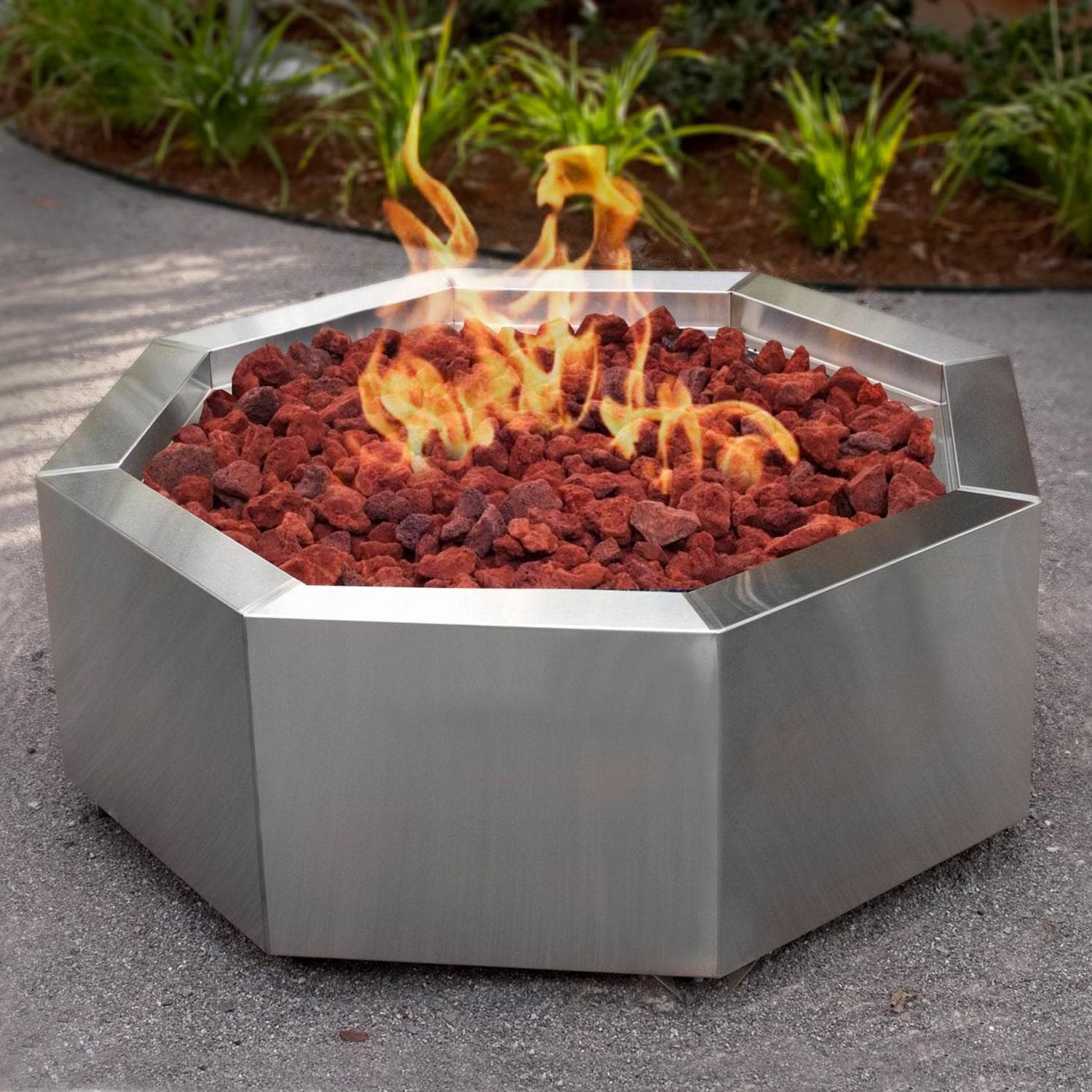
In conclusion, stainless steel gas fire pits are a superior choice for enhancing outdoor living spaces. Their durability, aesthetic appeal, and ease of maintenance make them a worthwhile investment that will provide years of enjoyment. Whether you’re hosting a gathering or simply relaxing under the stars, a stainless steel gas fire pit will transform your outdoor space into a warm and inviting haven.
