As tile countertop installation takes center stage in modern home design, it’s time to delve into the intricacies of this transformative art form. This comprehensive guide will equip you with the knowledge and techniques to create stunning and durable tile countertops that will elevate your space.
From selecting the perfect materials to mastering installation techniques, we’ll explore every aspect of tile countertop installation. Whether you’re a seasoned DIYer or a homeowner seeking professional guidance, this guide will empower you to achieve the countertop of your dreams.
Tile Countertop Installation Materials and Preparation

Selecting the appropriate tile material for your countertop is crucial, as different materials possess unique characteristics that may align better with your preferences and requirements. Here’s an overview of the most common tile materials:
- Ceramic tiles:A cost-effective option known for its durability, resistance to moisture, and wide range of colors and patterns.
- Porcelain tiles:Similar to ceramic tiles but denser and more durable, making them suitable for high-traffic areas.
- Natural stone tiles:Offer a luxurious and unique look, but require proper sealing and maintenance due to their susceptibility to stains and scratches.
- Glass tiles:Create a stunning and reflective surface, but may be more prone to chipping and require specialized installation techniques.
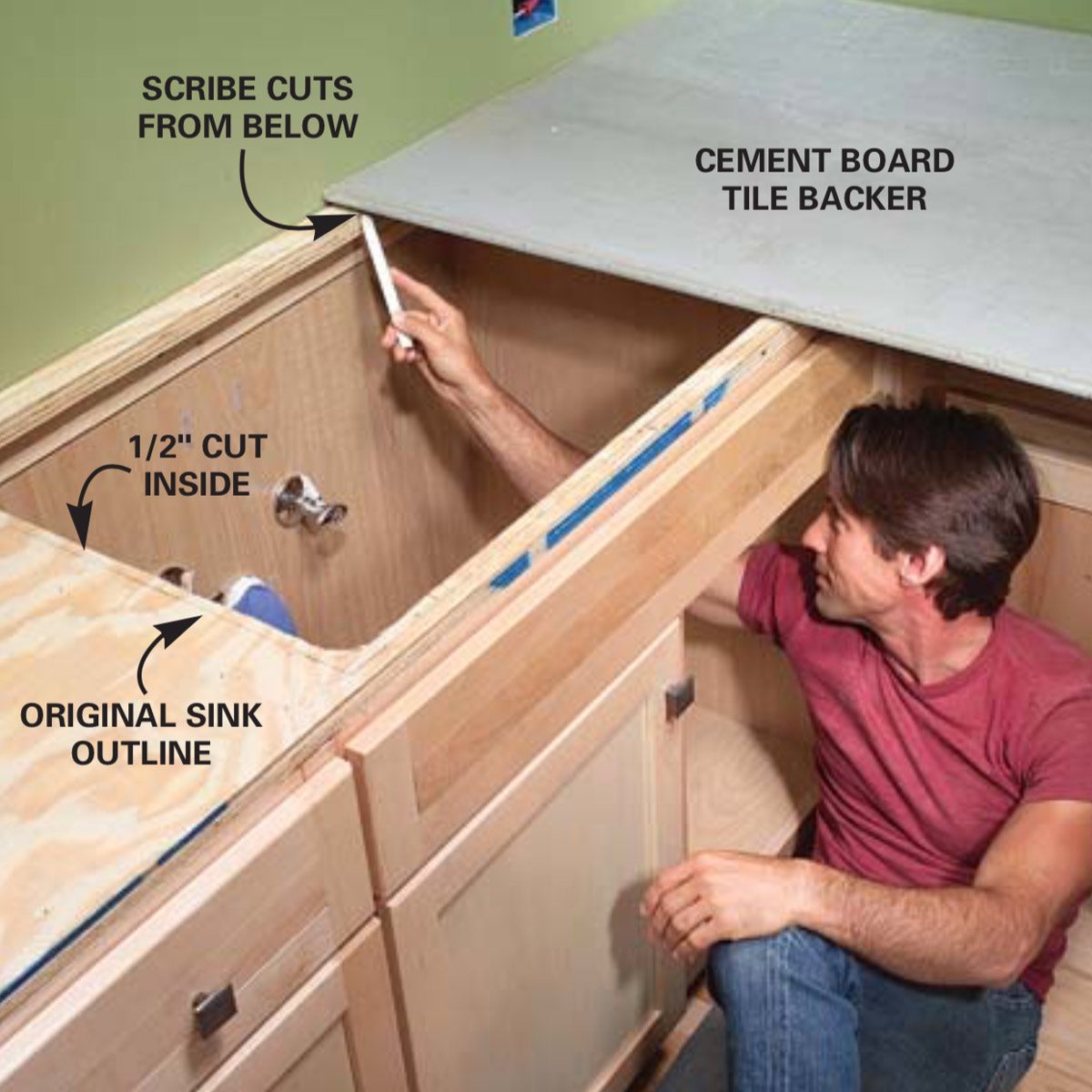
Once you’ve chosen your tile material, it’s essential to prepare the countertop surface thoroughly for successful installation. This involves removing any existing materials, such as old countertops or backsplashes, and ensuring the surface is level and smooth.
Preparing the Countertop Surface, Tile countertop installation
- Remove old materials:Carefully remove the old countertop and backsplash using a pry bar and hammer, taking care not to damage the underlying surface.
- Level the surface:Use a level to check the countertop surface for any unevenness. If necessary, apply a leveling compound to fill in any dips or gaps.
- Smooth the surface:Once the leveling compound has dried, sand the surface smooth to remove any imperfections that may affect tile adhesion.
- Clean the surface:Thoroughly clean the surface with a degreaser or denatured alcohol to remove any dirt, dust, or debris that may interfere with the tile adhesive.
Proper preparation of the countertop surface is essential to ensure a secure and long-lasting tile installation.
Tile Countertop Installation Techniques
Installing tile countertops involves several techniques that can influence the durability, aesthetics, and longevity of the finished product. Understanding these methods and their nuances is crucial for achieving a professional-looking installation.
Thin-Set Mortar
Thin-set mortar is a popular adhesive used in tile countertop installations. It consists of a mixture of cement, sand, and polymers that creates a strong bond between the tiles and the substrate. Steps:
- Apply a thin layer of thin-set mortar to the substrate using a notched trowel.
- Set the tiles into the mortar, pressing them firmly to ensure good contact.
- Grout the joints between the tiles using a grout float or trowel.
- Seal the grout and tiles to protect them from moisture and stains.
Mastic Adhesive
Mastic adhesive is a pre-mixed adhesive that is easy to apply and provides a strong bond. It is suitable for small tile installations or areas with minimal moisture exposure. Steps:
- Apply a bead of mastic adhesive to the back of the tile or the substrate.
- Set the tiles into place, pressing them firmly to ensure good contact.
- Grout the joints between the tiles using a grout float or trowel.
- Seal the grout and tiles to protect them from moisture and stains.
Epoxy
Epoxy is a high-strength adhesive that provides a waterproof and chemical-resistant bond. It is ideal for demanding applications such as kitchen countertops or areas exposed to heavy traffic. Steps:
- Mix the epoxy according to the manufacturer’s instructions.
- Apply a thin layer of epoxy to the back of the tile or the substrate.
- Set the tiles into place, pressing them firmly to ensure good contact.
- Allow the epoxy to cure for the recommended time.
- Grout the joints between the tiles using a grout float or trowel.
- Seal the grout and tiles to protect them from moisture and stains.
Tips for a Professional-Looking Finish:
- Use a level to ensure the tiles are set evenly.
- Maintain a consistent grout joint width throughout the installation.
- Clean excess adhesive or grout from the tiles immediately.
- Allow the grout and adhesive to cure completely before sealing.
- Seal the tiles and grout regularly to protect them from moisture and stains.
Avoiding Common Installation Mistakes:
- Do not apply too much adhesive or grout, as this can lead to cracking or movement.
- Do not grout the joints too early, as this can prevent the adhesive from curing properly.
- Do not use the countertop until the adhesive and grout have fully cured.
- Do not use harsh chemicals or abrasive cleaners on the tiles or grout.
Tile Countertop Design Considerations: Tile Countertop Installation

Choosing the right tile design for your countertop involves carefully considering factors such as size, shape, color, and pattern. These elements can significantly impact the overall aesthetic and functionality of your kitchen or bathroom.
Tile Size and Shape
Tile size and shape can influence the visual impact and practicality of your countertop. Smaller tiles, such as mosaics, create a more intricate and detailed look, while larger tiles, such as subway tiles or large-format tiles, offer a more sleek and modern appearance.
The shape of the tiles can also add interest, with rectangular tiles being a classic choice and hexagonal or geometric tiles providing a more contemporary touch.
Tile Color and Pattern
The color and pattern of the tiles you choose can dramatically alter the ambiance of your space. Light-colored tiles create a bright and airy feel, while dark-colored tiles add a touch of sophistication and depth. Patterned tiles, such as those with geometric designs or floral motifs, can introduce a unique and eye-catching element to your countertop.
Decorative Elements
In addition to the tiles themselves, you can incorporate decorative elements such as backsplashes, trim, and borders to enhance the design of your countertop. A backsplash can add a splash of color or texture to the wall behind your countertop, while trim and borders can create a polished and finished look.
Tile Countertop Maintenance and Care
Maintaining the pristine condition of your tile countertops is crucial to preserve their beauty and longevity. Regular cleaning, proper care, and timely repairs ensure they remain a stunning focal point in your kitchen or bathroom.
Depending on the type of tile material used, specific cleaning products and techniques are recommended. For ceramic or porcelain tiles, a mild detergent and warm water solution is typically sufficient. Natural stone tiles, such as marble or granite, require specialized cleaners designed for their unique composition to prevent damage or discoloration.
Cleaning Techniques
- Avoid using abrasive cleaners or sponges that can scratch the tile surface.
- Wipe up spills immediately to prevent staining or etching.
- For stubborn stains, use a non-abrasive cleaning paste or consult a professional cleaner.
- Regularly seal natural stone tiles to protect them from stains and moisture.
Repairing Minor Damage
- For small chips or cracks, use a tile repair kit that matches the color and texture of your tiles.
- Follow the manufacturer’s instructions carefully to ensure a seamless repair.
- If the damage is extensive, consider consulting a professional tile installer for proper repairs.
Preventing Future Damage
- Use cutting boards and trivets to protect the countertop from scratches and heat damage.
- Avoid placing heavy objects directly on the tiles.
- Regularly inspect your countertops for any signs of damage and address them promptly.
By following these maintenance and care tips, you can keep your tile countertops looking their best for years to come.
Last Word
In conclusion, tile countertop installation is a multifaceted endeavor that requires careful planning, precise execution, and ongoing maintenance. By embracing the insights and techniques Artikeld in this guide, you can transform your countertops into works of art that enhance the beauty and functionality of your home.