
Painting countertops granite is a fantastic way to give your kitchen a fresh new look without the expense of replacing them. Whether you’re looking to update the style of your kitchen or repair damage, painting granite countertops is a great option.
In this comprehensive guide, we’ll cover everything you need to know about painting granite countertops, from choosing the right paint and primer to prepping the surface and applying the paint. We’ll also share some tips and tricks to help you get the best results.
Granite Countertops Overview
Granite countertops are a popular choice for kitchens and bathrooms due to their durability, heat resistance, and aesthetic appeal. Granite is a natural stone that is quarried from the earth and cut into slabs. Granite countertops can be made from a single slab of granite or from multiple pieces of granite that are glued together.
Granite countertops are available in a wide range of colors and patterns, so they can be matched to any décor.
Types of Granite Countertops
There are three main types of granite countertops: solid slabs, tiles, and prefabricated options.
- Solid slabsare made from a single piece of granite. They are the most expensive type of granite countertop, but they are also the most durable and heat resistant.
- Tilesare made from smaller pieces of granite that are glued together. They are less expensive than solid slabs, but they are also less durable and heat resistant.
- Prefabricated optionsare made from granite that has been cut into standard sizes and shapes. They are the least expensive type of granite countertop, but they are also the least durable and heat resistant.
Painting Granite Countertops
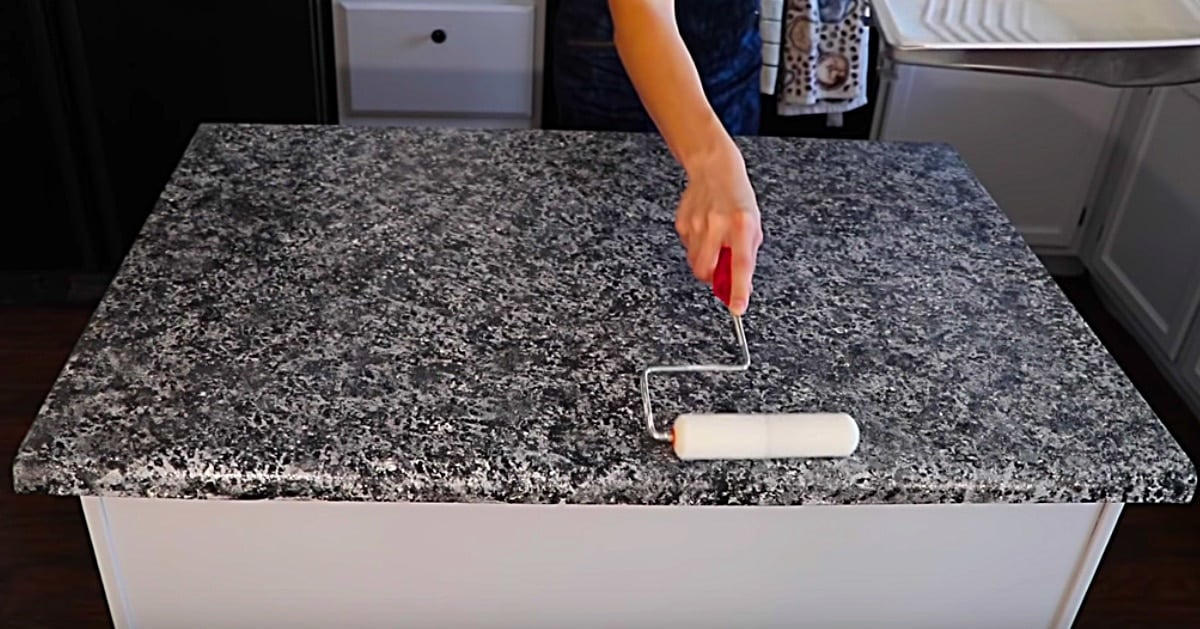
Painting granite countertops can be an effective way to update their appearance or repair damage. It’s a relatively simple process that can be completed in a few hours with the right materials and preparation.
Surface Preparation
Before painting, the surface of the granite must be properly prepared. This involves cleaning it thoroughly with a degreaser to remove any dirt, grease, or other contaminants. Once the surface is clean, it should be sanded lightly with a fine-grit sandpaper to create a smooth surface for the paint to adhere to.
Primer Application
After the surface has been prepared, a primer should be applied. Primer helps to create a bond between the paint and the granite and prevents the paint from peeling or chipping. A high-quality latex primer is recommended for granite countertops.
Paint Selection
The final step is to select and apply the paint. A high-quality epoxy paint is recommended for granite countertops, as it is durable and resistant to wear and tear. The paint should be applied in thin, even coats, and allowed to dry completely between coats.
Benefits of Painting Granite Countertops
Painting granite countertops offers numerous advantages, making it a popular choice for homeowners and designers alike.
One of the primary benefits is cost savings. Painting granite is significantly more affordable than replacing it, especially for large kitchen or bathroom spaces. It allows homeowners to update the look of their countertops without breaking the bank.
Customization options are another major advantage. Painting granite allows homeowners to choose from a wide range of colors and finishes to match their personal style and décor. Whether they prefer a classic white or a bold black, painting granite provides the flexibility to create a unique and personalized look.
Finally, painted granite countertops are relatively easy to maintain. Regular cleaning with mild soap and water is sufficient to keep them looking their best. Unlike natural granite, painted granite does not require sealing or special cleaning products.
Examples of Transformation, Painting countertops granite
Painting granite countertops can dramatically transform the look of a kitchen or bathroom. For example, painting a dark granite countertop in a light color can brighten up a space and make it feel more inviting. Alternatively, painting a light granite countertop in a darker color can create a more sophisticated and elegant look.
Considerations for Painting Granite Countertops
While painting granite countertops offers aesthetic and functional benefits, it’s crucial to be aware of potential drawbacks and considerations before embarking on this project.
One significant factor to consider is the durability of the paint finish. Granite is a hard and non-porous material, which means that the paint may not adhere as well as it would on other surfaces. To ensure a durable finish, proper preparation is essential, including thoroughly cleaning and priming the surface.
Choosing the Right Paint and Primer
Selecting the appropriate paint and primer is critical for a successful outcome. Look for high-quality, epoxy-based paints specifically designed for granite surfaces. These paints offer superior adhesion and durability, resisting wear and tear.
Priming the surface is equally important. It creates a barrier between the granite and the paint, improving adhesion and preventing moisture penetration. Choose a primer specifically formulated for granite, as it will help seal the surface and prevent paint absorption.
Ultimate Conclusion: Painting Countertops Granite
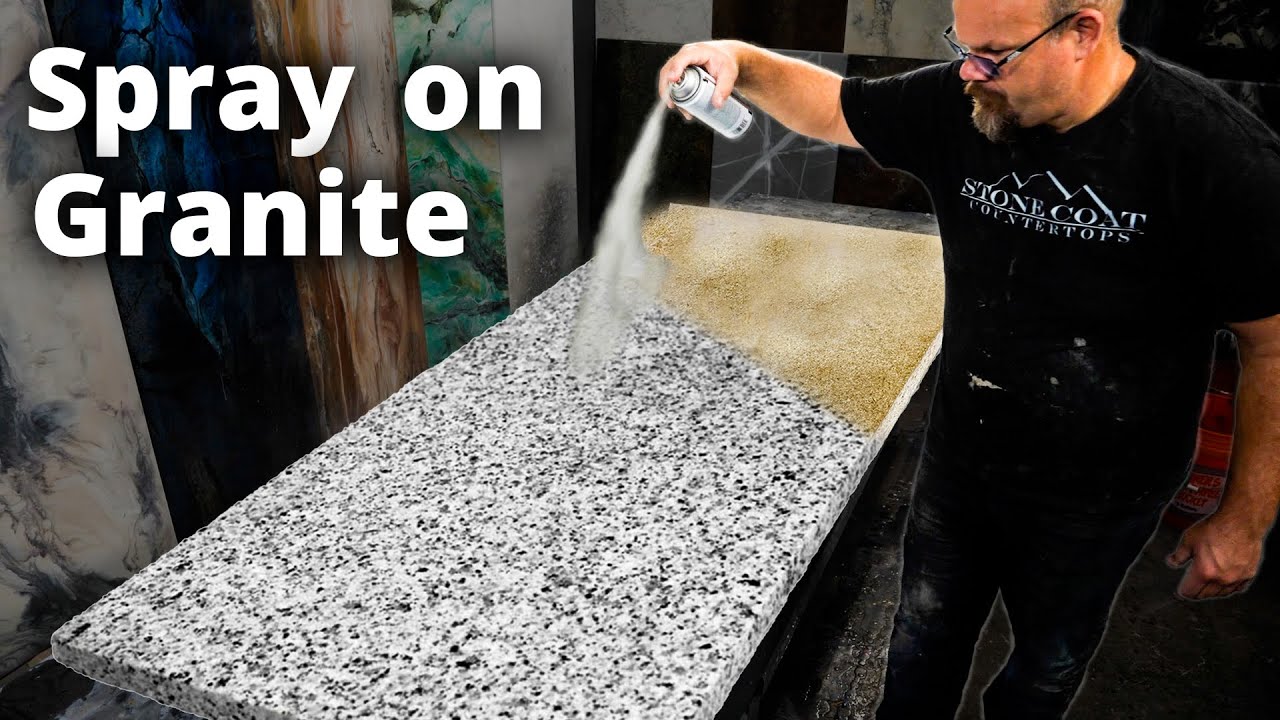
Painting granite countertops is a great way to update the look of your kitchen without breaking the bank. With a little preparation and the right materials, you can achieve a professional-looking finish that will last for years to come.
