Refinishing porcelain bathtubs is an art form that can transform your bathroom into a luxurious spa-like retreat. This comprehensive guide will take you through the step-by-step process of refinishing a porcelain bathtub, from surface preparation to the final application of refinishing materials.
Whether you’re a DIY enthusiast or considering hiring a professional, this guide has everything you need to know to achieve a smooth, durable finish that will last for years to come.
Techniques for Refinishing Porcelain Bathtubs

Refinishing a porcelain bathtub involves several key steps to achieve a smooth, durable finish. Proper surface preparation, thorough cleaning, and careful application of refinishing materials are essential for a successful outcome.
Surface Preparation
Begin by thoroughly cleaning the bathtub with a degreaser to remove any dirt, soap scum, or other contaminants. Use a fine-grit sandpaper to lightly sand the surface, creating a slightly rough texture that will help the refinishing material adhere. Rinse the bathtub thoroughly and allow it to dry completely.
Cleaning
Once the surface is prepared, clean the bathtub again with a cleaner specifically designed for porcelain. This will remove any remaining residue and ensure a clean surface for refinishing. Rinse the bathtub thoroughly and allow it to dry completely.
Application of Refinishing Materials
Follow the manufacturer’s instructions for the specific refinishing material you are using. Typically, this involves applying a primer coat to the bathtub, followed by two or more coats of the refinishing material. Use a high-quality brush or roller for smooth application and even coverage.
Allow each coat to dry completely before applying the next.
Tips for a Smooth, Durable Finish
- Use a light touch when sanding the bathtub to avoid damaging the surface.
- Allow ample time for each coat of refinishing material to dry completely.
- Apply multiple thin coats rather than one thick coat to ensure a smooth finish.
- Protect the refinished bathtub from use for at least 24 hours to allow the material to fully cure.
Materials and Tools Required for Bathtub Refinishing

The process of refinishing a porcelain bathtub requires specific materials and tools to ensure a successful and durable outcome. Choosing the right materials is crucial to achieve a smooth, glossy finish that will last for years to come.
Types of Refinishing Kits
Refinishing kits are available in various types, each designed for specific bathtub surfaces:
- Acid-etching kits: Suitable for porcelain and acrylic bathtubs, these kits use a chemical solution to etch the surface, creating a better bond for the new finish.
- Non-acid kits: Designed for fiberglass and enamel surfaces, these kits do not require etching and are less harsh on the existing finish.
Essential Materials and Tools
Regardless of the type of refinishing kit used, certain materials and tools are essential for the process:
- Refinishing kit (acid-etching or non-acid)
- Cleaning supplies (detergent, degreaser, scrub brush)
- Sandpaper (various grits)
- Mixing cups and stir sticks
- Roller and brush (for applying the finish)
- Gloves, eye protection, and respirator
Safety Precautions
When using refinishing chemicals, it is essential to prioritize safety:
- Wear appropriate protective gear, including gloves, eye protection, and a respirator.
- Work in a well-ventilated area to avoid inhaling harmful fumes.
- Follow the manufacturer’s instructions carefully to avoid accidents or improper application.
Cost and Time Considerations for Refinishing: Refinishing Porcelain Bathtub
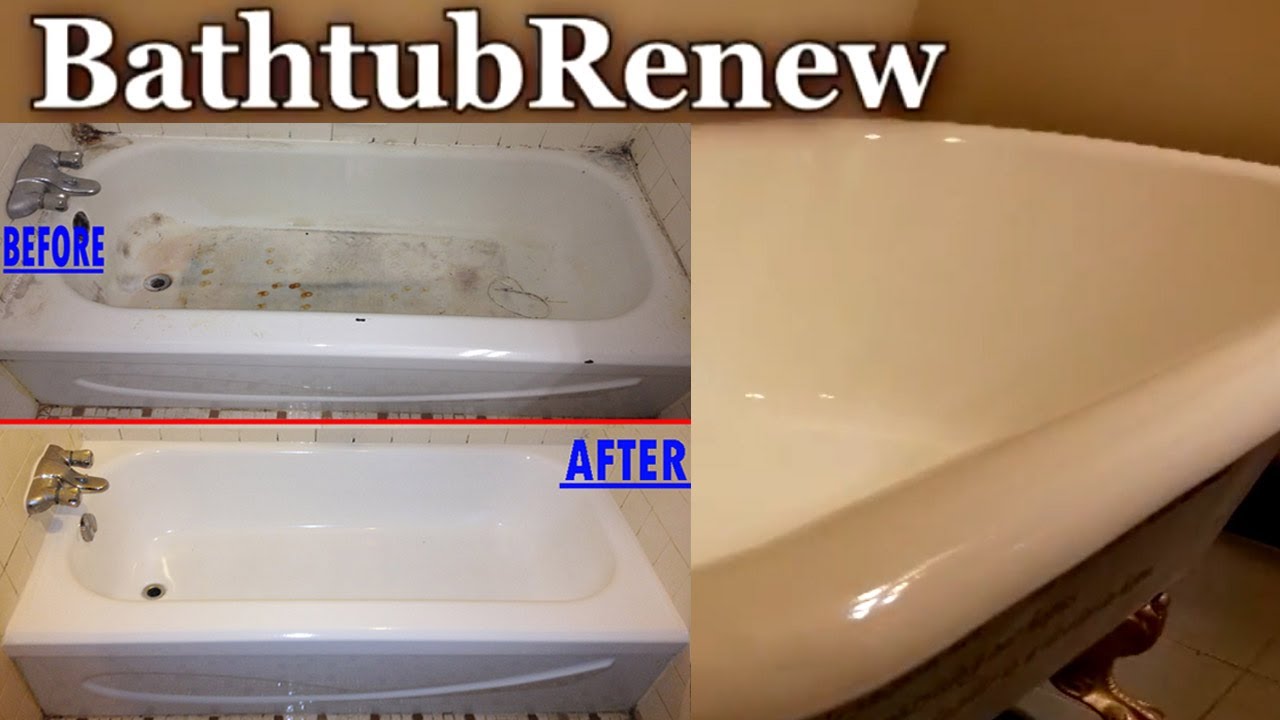
Refinishing a porcelain bathtub is generally more affordable than replacing it, but the cost can vary depending on several factors. It’s important to consider these factors and the time required for the refinishing process to make an informed decision.
Cost of Refinishing
The average cost of refinishing a porcelain bathtub ranges from $300 to $600. However, the size of the bathtub, the condition of the surface, and the location can influence the cost.
- Size of the Bathtub:Larger bathtubs require more materials and labor, increasing the cost.
- Surface Condition:Bathtubs with extensive damage or stains may require additional preparation and materials, leading to higher costs.
- Location:Refinishing costs can vary depending on the region and availability of skilled professionals.
Time Required for Refinishing
The refinishing process typically takes 2-3 days to complete, including preparation, application, and drying time.
- Preparation:Cleaning, sanding, and masking the bathtub takes approximately 4-8 hours.
- Application:Applying the refinishing material takes around 2-4 hours, depending on the size and complexity of the bathtub.
- Drying and Curing:The bathtub needs to dry and cure for 24-48 hours before it can be used.
DIY vs. Professional Refinishing
Refinishing a porcelain bathtub can be a cost-effective way to restore its appearance without replacing it. However, deciding whether to tackle the project yourself or hire a professional can be a challenge.
DIY refinishing offers several advantages, including cost savings and the satisfaction of completing the project yourself. However, it requires a significant amount of time, effort, and skill. Professional refinishing, on the other hand, provides expert workmanship and a guaranteed result but comes at a higher cost.
Assessing Feasibility, Refinishing porcelain bathtub
Before embarking on a DIY bathtub refinishing project, it’s essential to assess your skill level and experience. If you’re comfortable working with tools and have a good eye for detail, DIY refinishing may be a viable option.
However, if you have limited experience or are not confident in your abilities, it’s generally recommended to hire a professional. Professional refinishers have the expertise and equipment to achieve a high-quality finish that may not be possible for a DIYer.
Risks and Benefits
DIY Refinishing:
- Benefits:Cost savings, satisfaction of completing the project yourself
- Risks:Potential for mistakes, unsatisfactory results, voiding of manufacturer’s warranty
Professional Refinishing:
- Benefits:Expert workmanship, guaranteed results, no risk of voiding manufacturer’s warranty
- Risks:Higher cost, less control over the process
Ultimately, the best decision depends on your individual circumstances. If you have the time, skill, and confidence, DIY refinishing can be a rewarding experience. However, if you’re unsure of your abilities or want to ensure a professional-quality finish, hiring a professional is the better choice.
Ultimate Conclusion
Refinishing a porcelain bathtub is a cost-effective way to update your bathroom without the hassle and expense of a full remodel. With careful preparation and the right materials, you can achieve a professional-looking finish that will add value to your home and provide years of enjoyment.