Plumbing supply manufacturers are the backbone of the plumbing industry, providing the essential components that ensure the smooth flow of water and waste in our homes and businesses. From pipes and fittings to fixtures and appliances, these manufacturers play a crucial role in shaping the plumbing landscape.
This comprehensive guide delves into the world of plumbing supply manufacturing, exploring the industry’s dynamics, market trends, product innovations, and distribution channels. Whether you’re a homeowner looking to upgrade your plumbing system or a professional plumber seeking insights into the latest advancements, this article has something for you.
Plumbing Supply Manufacturers
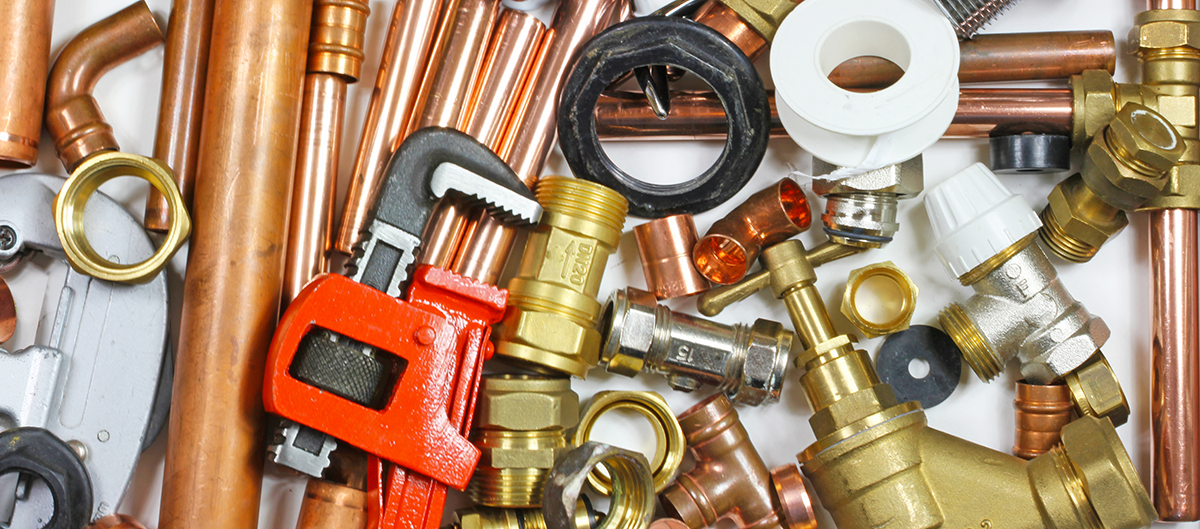
Plumbing supply manufacturers play a crucial role in the construction and maintenance of residential, commercial, and industrial buildings. They produce a wide range of components and fixtures used to convey water, gas, and waste.
The plumbing supply manufacturing industry encompasses a diverse range of products, including pipes, fittings, valves, fixtures, and appliances. These components are typically made from materials such as copper, brass, plastic, and stainless steel.
Manufacturing Processes
The manufacturing processes involved in producing plumbing supplies vary depending on the specific product. However, some common processes include:
- Casting: Molten metal is poured into a mold to create the desired shape.
- Forging: Metal is heated and shaped using a hammer or press.
- Extrusion: Metal or plastic is forced through a die to create a continuous shape.
- Injection molding: Molten plastic is injected into a mold to create the desired shape.
- Machining: Metal or plastic is cut and shaped using machine tools.
Market Analysis

The plumbing supply manufacturing industry is a vast and ever-evolving sector that plays a crucial role in the construction and maintenance of residential, commercial, and industrial buildings. The industry encompasses a wide range of products, including pipes, fittings, fixtures, valves, and other components essential for water supply, drainage, and sanitation systems.
The market landscape for plumbing supply manufacturers is highly competitive, with a mix of established players and emerging entrants. Key industry players include giants such as Ferguson, LIXIL, and Kohler, which hold significant market share and have a global presence.
Regional and local manufacturers also play a significant role, catering to specific market niches and providing customized solutions.
Market Drivers
The growth of the plumbing supply manufacturing industry is driven by several key factors, including:
- Increasing construction activity in both developed and developing countries
- Rising demand for water-efficient and sustainable plumbing products
- Growing awareness of hygiene and sanitation standards
- Technological advancements leading to innovative product designs and manufacturing processes
Challenges
Despite the positive growth outlook, plumbing supply manufacturers face several challenges:
- Fluctuating raw material prices and supply chain disruptions
- Intensifying competition from both domestic and international players
- Stringent regulations and compliance requirements
- Skilled labor shortages in certain regions
Product Development and Innovation
The plumbing supply industry is constantly evolving, with new products and technologies being developed all the time. Manufacturers are using technology to create new and innovative plumbing supplies that are more efficient, durable, and affordable than ever before.
One of the most important trends in plumbing supply product development is the use of new materials. For example, PEX (cross-linked polyethylene) is a type of plastic that is now being used to make pipes and fittings. PEX is more flexible and durable than traditional copper or PVC pipes, and it is also less likely to corrode or leak.
Another new material that is being used in plumbing supplies is composite. Composite materials are made from a combination of materials, such as plastic and metal. Composite materials are strong and durable, and they can be used to make a wide variety of plumbing products, such as sinks, faucets, and toilets.
Technology and Innovation
Technology is also playing a major role in the development of new plumbing supplies. For example, some manufacturers are now using 3D printing to create custom plumbing parts. 3D printing allows manufacturers to create complex parts that would be difficult or impossible to make using traditional manufacturing methods.
Another way that technology is being used to innovate plumbing supplies is through the use of sensors. Sensors can be used to monitor water flow, temperature, and pressure. This information can be used to improve the efficiency of plumbing systems and to identify potential problems.
Key Features and Benefits, Plumbing supply manufacturers
The key features and benefits of new plumbing supply products include:
- Increased efficiency
- Improved durability
- Reduced cost
- Easier installation
- Improved aesthetics
These new products are having a major impact on the plumbing industry. They are making it possible to create more efficient, durable, and affordable plumbing systems. They are also making it easier to install and maintain plumbing systems.
Distribution and Sales
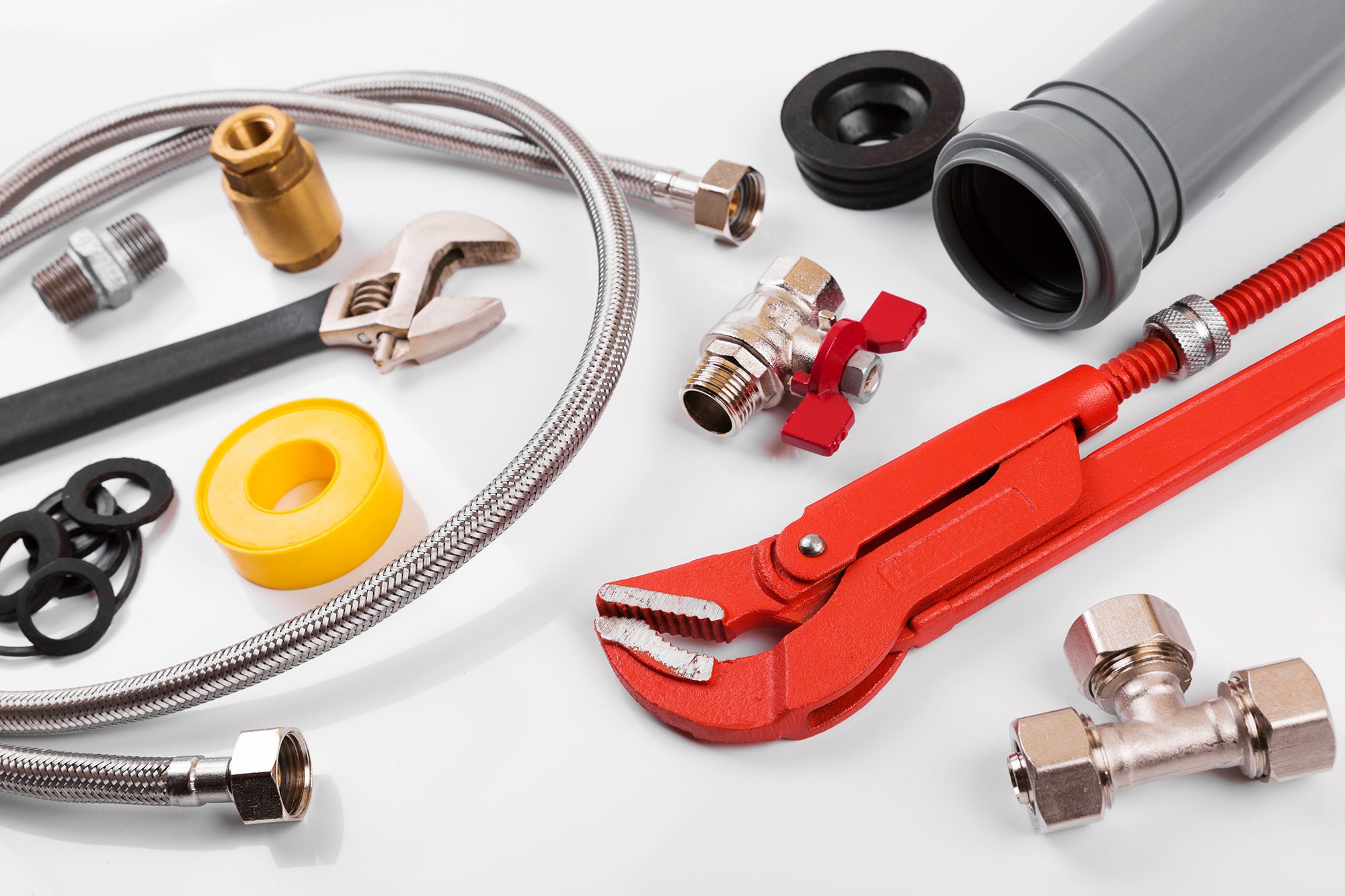
Plumbing supply manufacturers employ various distribution channels to reach their target market, including:
-
-*Wholesalers
Plumbing supply wholesalers purchase products from manufacturers and resell them to contractors, retailers, and other businesses.
-*Retailers
Plumbing supply retailers sell directly to consumers and small businesses.
-*Online marketplaces
Manufacturers can sell their products directly to consumers and businesses through online marketplaces such as Amazon and Home Depot.
Sales strategies used by plumbing supply manufacturers include:
-
-*Relationship building
Manufacturers focus on building strong relationships with wholesalers and retailers to ensure their products are prominently displayed and promoted.
-*Sales representatives
Manufacturers employ sales representatives to visit customers, demonstrate products, and close deals.
-*Marketing campaigns
Manufacturers use advertising, social media, and other marketing channels to generate leads and drive sales.
Technology plays a significant role in the distribution and sales of plumbing supplies:
-
-*Online ordering
Customers can order products online from wholesalers and retailers, streamlining the ordering process.
-*Inventory management
Manufacturers use software to track inventory levels and ensure products are available when needed.
-*Customer relationship management (CRM)
Manufacturers use CRM systems to manage customer data, track sales, and provide support.
Key challenges faced by plumbing supply manufacturers in distributing and selling their products include:
-
-*Competition
The plumbing supply industry is highly competitive, with many manufacturers vying for market share.
-*Fluctuating demand
Demand for plumbing supplies can fluctuate seasonally and based on economic conditions.
-*Supply chain disruptions
Supply chain disruptions can lead to delays in product delivery and increased costs.
Conclusive Thoughts: Plumbing Supply Manufacturers
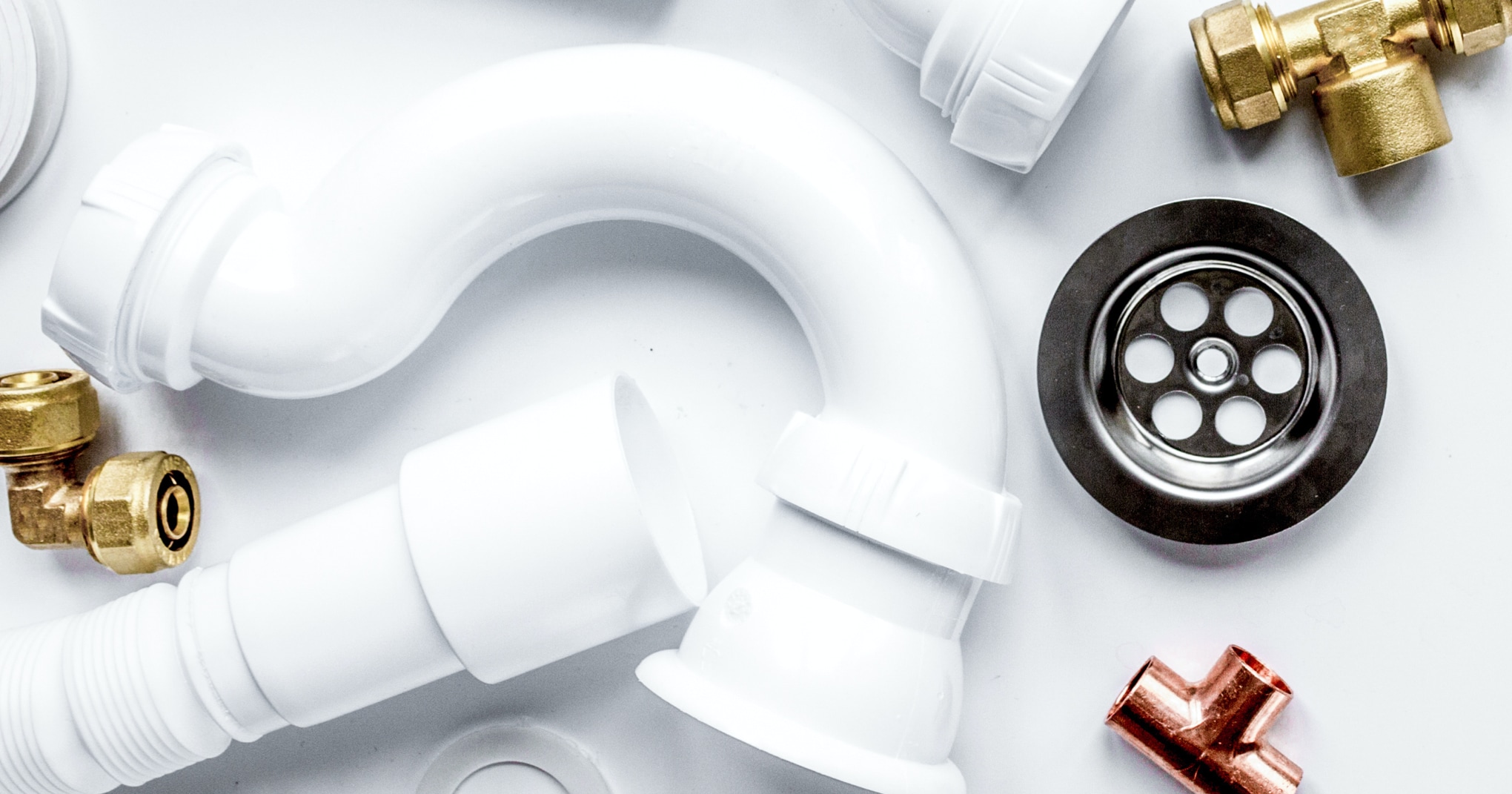
As the plumbing supply manufacturing industry continues to evolve, manufacturers are embracing technological advancements and sustainability initiatives to meet the changing needs of the market. By staying abreast of these trends and partnering with reliable suppliers, plumbers and homeowners alike can ensure access to high-quality plumbing products that enhance comfort, convenience, and efficiency.