Cast iron outdoor fireplaces are a great way to add warmth and ambiance to your backyard. They are durable, heat-resistant, and can be customized to match any décor. In this guide, we will discuss the features and benefits of cast iron outdoor fireplaces, as well as provide tips on how to choose and install one.
Features and Benefits of Cast Iron Outdoor Fireplaces
Cast iron outdoor fireplaces are a popular choice for homeowners who want to enjoy the warmth and ambiance of a fire in their backyard. They are durable, heat-resistant, and can be customized to match any décor. In this article, we will discuss the features and benefits of cast iron outdoor fireplaces in more detail.
Durability and Longevity
Cast iron is a very strong and durable material, which makes it ideal for outdoor use. Cast iron outdoor fireplaces can withstand extreme weather conditions, including rain, snow, and wind. They are also resistant to rust and corrosion, so they will last for many years to come.
Heat Retention and Radiation, Cast iron outdoor fireplace
Cast iron is an excellent conductor of heat, which means that it can quickly absorb and radiate heat. This makes cast iron outdoor fireplaces very efficient at heating up a space. The heat from a cast iron fireplace will also radiate outwards, providing warmth to everyone gathered around it.
Aesthetic Appeal and Customization
Cast iron outdoor fireplaces are available in a variety of styles, so you can find one that matches your décor. They can be painted or stained to match your patio or deck, and they can even be customized with decorative details.
Types of Cast Iron Outdoor Fireplaces

Cast iron outdoor fireplaces come in various types, each designed for specific needs and environments. Understanding the different types can help you choose the one that best suits your space and preferences.
The primary types of cast iron outdoor fireplaces are freestanding, built-in, and portable. Freestanding fireplaces are versatile and can be placed anywhere in your outdoor area, while built-in fireplaces are designed to be installed into existing structures or walls, offering a more permanent and integrated look.
Portable fireplaces, on the other hand, are lightweight and easy to move around, making them ideal for smaller spaces or occasional use.
Fuel Sources
Cast iron outdoor fireplaces can use different fuel sources, including wood, gas, and propane. Wood-burning fireplaces provide a traditional and rustic experience, but they require more maintenance and attention than gas or propane fireplaces. Gas and propane fireplaces offer convenience and ease of use, with adjustable heat output and quick ignition.
The choice of fuel source depends on your personal preferences, available resources, and the intended use of the fireplace.
Installation and Maintenance of Cast Iron Outdoor Fireplaces
Installing and maintaining a cast iron outdoor fireplace is a rewarding project that can bring years of warmth and enjoyment to your outdoor living space. By following the steps Artikeld below, you can ensure a safe and long-lasting installation.
Before you begin, it is important to read and understand the manufacturer’s instructions for your specific fireplace model. Always follow all safety precautions and building codes when installing and using your fireplace.
Site Preparation
The first step in installing a cast iron outdoor fireplace is to choose a suitable location. The fireplace should be placed on a level, non-combustible surface, such as a concrete patio or gravel pad. The area should be well-ventilated and away from any flammable materials, such as trees, shrubs, or overhanging eaves.
Once you have chosen a location, you will need to prepare the site. This may involve excavating a hole for the fireplace, leveling the ground, or building a fire-resistant base.
Assembly and Installation
Once the site is prepared, you can begin assembling and installing the fireplace. Most cast iron outdoor fireplaces come with detailed instructions that will guide you through this process. In general, the assembly process involves connecting the base, firebox, and chimney sections together using bolts or screws.
Once the fireplace is assembled, you will need to position it in the desired location and secure it in place. This may involve using anchors or bolts to attach the fireplace to the ground or a nearby structure.
Ongoing Maintenance
To keep your cast iron outdoor fireplace in good condition, it is important to perform regular maintenance. This includes cleaning, seasoning, and protecting the fireplace from rust.
Cleaning the fireplace is relatively simple. After each use, allow the fireplace to cool completely and then use a wire brush to remove any ash or debris from the firebox and chimney. You can also use a vacuum cleaner to remove any loose ash or soot.
Seasoning the fireplace is important to protect the cast iron from rust. To season the fireplace, apply a thin layer of oil to the firebox and chimney. You can use a high-heat cooking oil, such as canola oil or vegetable oil.
Protecting the fireplace from rust is also important. To protect the fireplace, apply a coat of high-heat paint to the exterior of the fireplace. You can also use a rust-resistant spray to protect the fireplace from the elements.
Design and Styling of Cast Iron Outdoor Fireplaces
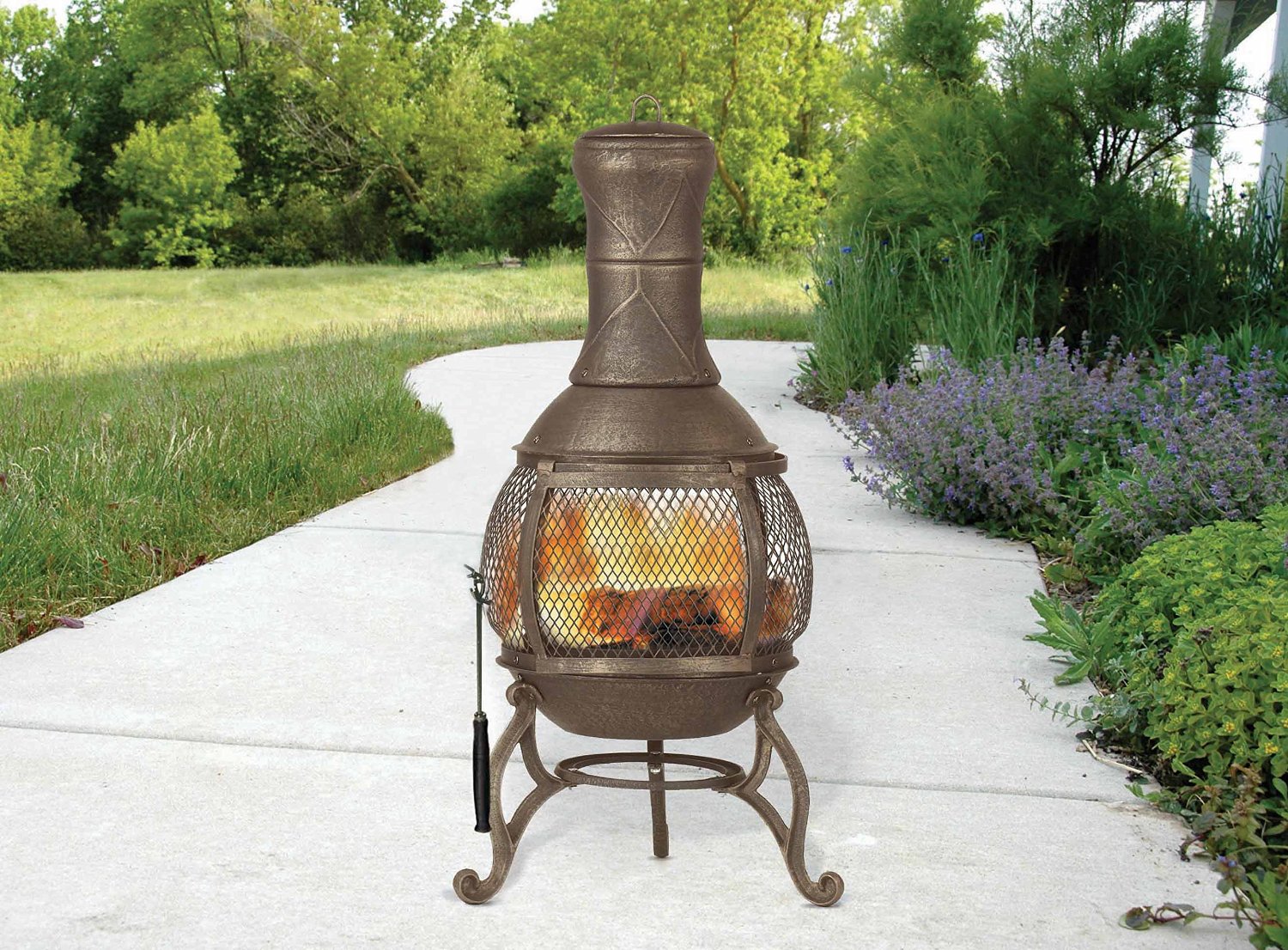
Cast iron outdoor fireplaces offer a timeless and versatile design element that can elevate any outdoor space. Their durability, heat retention, and aesthetic appeal make them a popular choice for homeowners looking to create a cozy and inviting outdoor ambiance.
When selecting a cast iron outdoor fireplace, consider the overall style of your outdoor space. Traditional designs feature intricate scrollwork and decorative details, while modern styles opt for clean lines and minimalist aesthetics. The size and shape of the fireplace should complement the scale of your patio or deck.
Accessories and Decorative Elements
Accessories and decorative elements can further enhance the aesthetics and functionality of cast iron outdoor fireplaces. Fire screens and spark guards provide safety and prevent embers from escaping, while log racks and firewood holders keep firewood organized and accessible.
Surrounding the fireplace with comfortable seating, such as Adirondack chairs or cushioned sofas, creates a cozy and inviting gathering space. Decorative accents like lanterns, throw pillows, and blankets add warmth and personality to the outdoor ambiance.
Final Wrap-Up: Cast Iron Outdoor Fireplace

Cast iron outdoor fireplaces are a beautiful and functional addition to any backyard. They provide warmth and ambiance, and can be customized to match any décor. If you are looking for a durable and stylish way to upgrade your outdoor space, a cast iron outdoor fireplace is a great option.